Nkwanta South Odomi attack death toll rises to four amid curfew
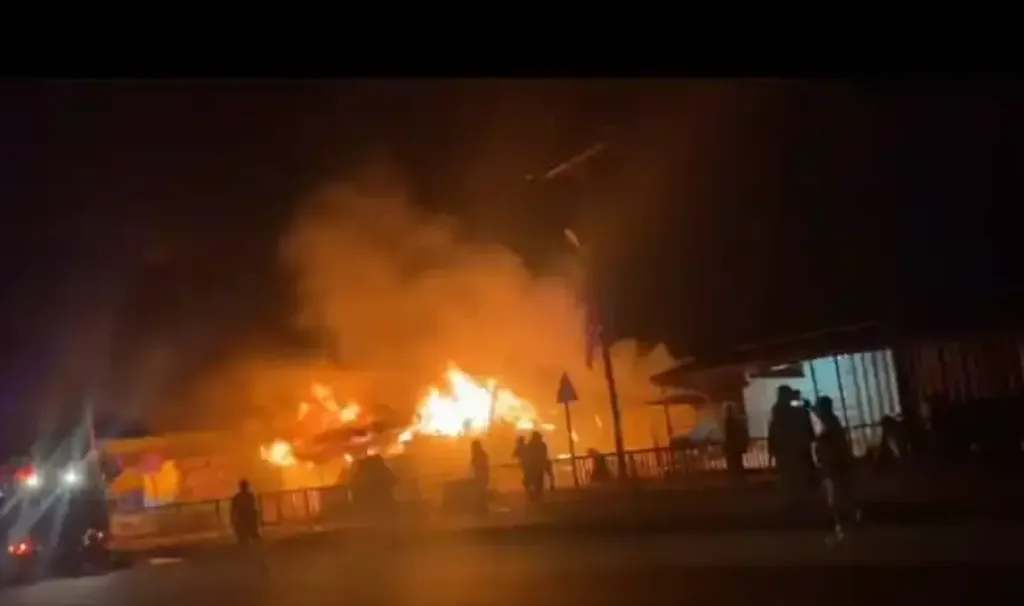
The death toll from a violent attack in the Odomi community of Nkwanta South Municipality has risen to four, with ten others injured, as authorities imposed a dusk-to-dawn curfew to restore calm in the Oti Region borderlands.
The incident, which occurred on a Friday (date unspecified), involved gunmen attacking the Odomi community, resulting in four fatalities and ten people sustaining gunshot wounds. One victim succumbed to injuries while receiving treatment at St. Joseph’s Hospital.
In response, the Ministry of the Interior, acting on advice from the National Security Council, implemented a curfew from 5:00 pm to 6:00 am in ten communities, including Nkwanta, Bonakye, Odomi, Nyankoma, Power, Kromase, Shiare, Nyambo, Abrewanko, and Keri. “The Ministry of the Interior, on the advice of the National Security Council, has imposed a curfew in parts of the municipality.” “Security agencies are expected to maintain a presence in the area as efforts continue to restore calm and prevent further escalation of the conflict.”
The attack underscores a long-standing ethnic and land dispute among the Adele, Akyode, and Challa communities over territorial ownership. Despite years of intermittent clashes and various security and traditional interventions, a lasting resolution has remained elusive. The latest violence has reignited concerns about the effectiveness of current conflict-resolution mechanisms and the need for a comprehensive approach that addresses both immediate security concerns and the root causes of the dispute.
Historical records indicate that tensions between these groups date back to pre-colonial times, with competition over arable land and water resources serving as a constant flashpoint. Colonial administrators attempted to mediate the dispute through boundary demarcations, but these efforts often failed to account for the fluid nature of traditional land tenure systems. Post-independence governments have periodically intervened, yet sustainable solutions have remained out of reach.
The curfew, while intended as a temporary measure to break the cycle of violence, has disrupted daily life for residents. Market activities have been curtailed, and farmers unable to tend to their fields during the restricted hours express growing frustration over the economic toll. Human rights monitors have raised concerns about the potential for abuse during curfew enforcement, urging security forces to adhere strictly to proportionality and necessity principles.
Community leaders have called for an immediate cessation of hostilities and urged the government to facilitate inclusive talks involving traditional authorities, religious figures, and civil society representatives. They argue that any lasting solution must prioritize equitable land access, strengthen local conflict-resolution institutions, and provide compensation for those displaced by past violence.
This latest attack comes just weeks after a similar incident that left three people dead and nine injured, highlighting the persistent volatility in the region. The recurrence of such violence despite interim security measures points to systemic shortcomings in both prevention and response strategies.
The vast and rugged terrain of the Oti Region presents significant challenges for security forces seeking to monitor and respond to threats in real time. Limited infrastructure, sparse population centers, and porous borders complicate intelligence gathering and rapid deployment. Experts suggest that investing in community-based early warning networks, equipped with communication tools and linked to district security committees, could improve situational awareness and enable faster responses to emerging threats.
Ultimately, the Odomi tragedy is not merely a security issue but a test of Ghana’s commitment to national cohesion and equitable development. As the country continues to grapple with disparities between its northern and southern regions, incidents like this serve as a stark reminder that peace cannot be imposed through force alone. It must be built on foundations of justice, inclusivity, and genuine dialogue — elements that remain conspicuously absent in the current approach to managing Ghana’s borderland conflicts.