Ghana: The African Superpower Inexorably Drawn to Chaos
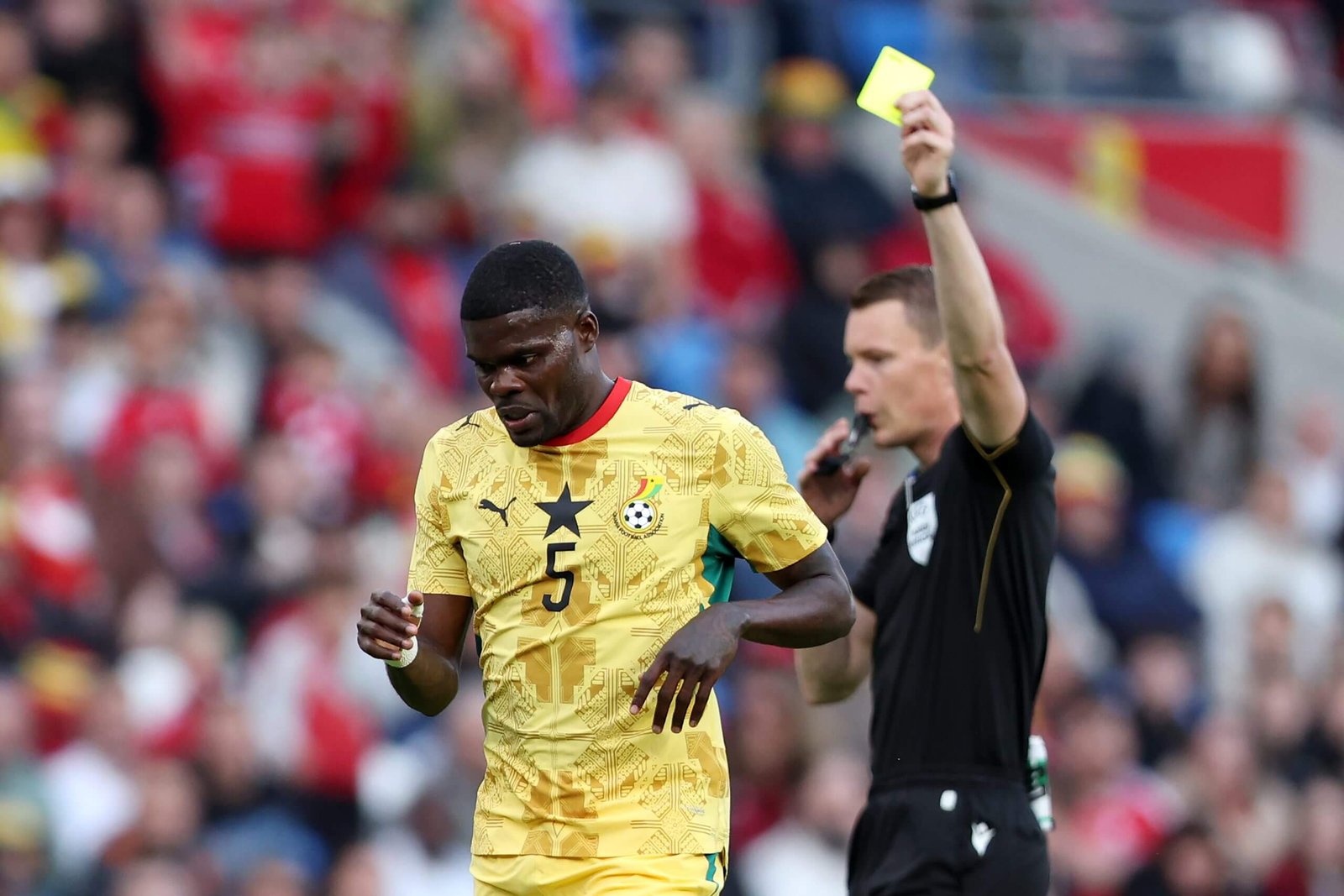
Ghana enters the 2026 World Cup as one of Africa’s most storied footballing nations, yet the country that once dazzled the continent with four Africa Cup of Nations titles now finds itself defined more by dysfunction than by dominance. The Black Stars’ fifth appearance in six tournaments should signal a programme at the peak of its powers. Instead, it arrives under the weight of institutional decay, coaching instability, and a domestic game that has lost much of its credibility.
The numbers tell a stark story. Since 2020, Ghana has cycled through six head coaches, a rate of roughly one per year that dwarfs the continuity enjoyed by African rivals like Senegal and Morocco, where managerial changes happen once or twice a decade. Carlos Queiroz, the 73-year-old Portuguese coach, was appointed barely a month before the tournament began. He inherits a squad still searching for a coherent identity after years of tactical whiplash.
“Football is the most popular sport in Ghana by a mile, and expectations are enormous,” former coach Chris Hughton has observed. “But the country hasn’t won a trophy since my own football career started, which is a very long time ago.” That drought, stretching back to the early 1980s, has become the defining tension of Ghanaian football: a nation brimming with talent that somehow cannot translate potential into silverware.
The roots of the problem run deeper than the dugout. A 2018 investigative documentary by journalist Anas Aremeyaw Anas exposed systematic bribery among 77 referees and 14 Ghana Football Association officials, leading to the lifetime ban of then-president Kwesi Nyantakyi and the dissolution of the governing body. The murder of Anas’s collaborator, Ahmed Hussein Suale, remains unsolved. The domestic league has been scarred by match-fixing scandals, including a notorious 31-0 result in a promotion decider, and attendances have cratered as sponsors have fled.
The 1994 Accra Stadium disaster, in which 126 people died when locked gates and police tear-gas turned a match-day crowd into a stampede, cast a long shadow. No one was ever convicted. Crisis-management protocols were never implemented. For years, fans stayed away from grounds, and the scars still show in the half-empty stadiums that characterise league football today.
Yet the talent pipeline remains remarkably productive. The Right to Dream academy, founded in 1999 by Englishman Tom Vernon, has produced players of genuine world-class calibre, most notably Mohammed Kudus, who is injured and misses this tournament. The academy’s sale to an Egyptian group for £120 million in 2023 underscored both its commercial value and a persistent debate: does Right to Dream add to the talent pool, or does it siphon the best young players out of the country before they ever represent a Ghanaian club?
The contrast with 2006 is instructive. When Ghana made its World Cup debut in Germany, 19 of 22 squad members had domestic league experience before moving abroad. In 2026, only nine of 26 players have any domestic league background. Eight were born abroad, in the Netherlands, England, and France, and represent a growing reliance on diaspora talent that other African nations, particularly Morocco and Senegal, have exploited more aggressively.
Governance and funding remain structural bottlenecks. The Ghana Football Association depends heavily on the national treasury, leaving it vulnerable to political cycles and budgetary pressures. Training facilities lag behind those in neighbouring Ivory Coast, and the broader infrastructure of the game, from coaching education to youth development, has been underfunded for decades.
The tragedy of Ghanaian football is not a lack of ability. “Ability is not the concern in Ghana; there is plenty of it,” journalist Yaw Ofusu has noted. The concern is whether the institutions that govern the game can match the ambition of the players who represent it. Until that gap closes, Ghana will remain the African superpower perpetually drawn to chaos, a team capable of brilliance on any given night but structurally incapable of sustaining it.
Image Source: GHANAMMA