Bank of Ghana Urges Commercial Banks to Channel Credit Toward Agriculture and Productive Sectors
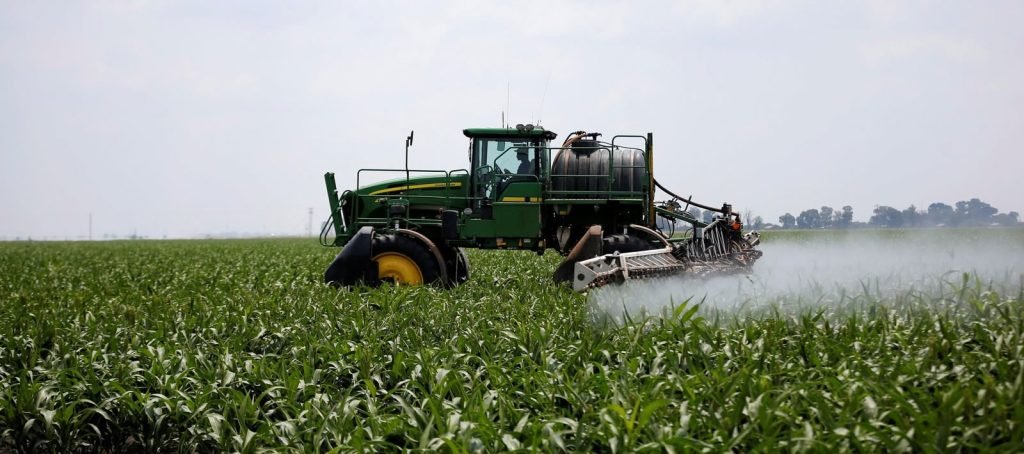
Ghana’s central bank has issued a pointed call to the country’s commercial lenders, urging them to move beyond the safety of government securities and direct more credit toward agriculture, manufacturing and export-oriented industries that hold the key to sustained economic growth.
Bank of Ghana Governor Dr Johnson Asiama told an industry gathering that the banking sector’s long-term viability depends on the strength of what economists call the real economy — the farms, factories, service firms and export businesses that generate employment and create demand for credit.
“As we sustain stable macroeconomic conditions going forward, let me reiterate that the banking industry must increasingly turn its attention to its fundamental role of financial intermediation and support for productive economic activity,” Dr Asiama said. “A vibrant manufacturing sector, competitive agriculture, efficient services sector and thriving export-oriented businesses are essential for generating sustainable credit demand, quality assets, employment and economic prosperity.”
The remarks come at a moment of relative macroeconomic calm. Inflation has been easing, the cedi has stabilised after years of turbulence and interest rates are on a downward trajectory. For banks, that environment presents an opportunity to rethink where they deploy capital, the Governor suggested.
He urged lenders to “leverage the gains from macroeconomic stability” and to harness advances in financial technology to develop products tailored to the needs of farmers, small manufacturers and exporters. The message was clear: the era of banks parking the bulk of their assets in risk-free government instruments should give way to a more entrepreneurial posture.
Dr Asiama went further, calling on banks to position themselves as strategic partners to businesses rather than mere lenders. He outlined a broader advisory role that includes helping firms access markets, develop export capacity and navigate the complexities of scaling up. “You have to go beyond mere financing and position yourselves as strategic partners to businesses,” he said. “This includes providing business advisory services, supporting entrepreneurship, facilitating market access and developing export clinics.”
The central bank has good reason to press the point. Ghana’s agricultural sector, which employs roughly a third of the workforce, has long been starved of formal credit. Banks have historically preferred lending to traders and government rather than investing in the uncertain rhythms of crop cycles and livestock production. The result is a financing gap that keeps productivity low and imports high.
The Feed Ghana Programme, a flagship agricultural initiative under the Mahama administration, is already attempting to address productivity constraints through precision soil testing and data-driven farming. But without commensurate private-sector credit, such programmes risk reaching only a fraction of their potential.
The Bank of Ghana has itself signalled that it will not tolerate a banking system that profits from government paper while neglecting the sectors that underpin growth. Earlier this year, the regulator sounded the alarm on collateral fraud and staff collusion within the banking sector, a reminder that governance failures carry real consequences for the economy at large.
Whether commercial banks heed the Governor’s call remains to be seen. Lending to agriculture and manufacturing carries higher risk than buying Treasury bills, and risk-averse institutions will need convincing that the regulatory and macroeconomic environment can sustain the shift. But the direction is unmistakable: Ghana’s central bank wants its banks to fund the economy, not just the government.
Image Source: MYJOYONLINE