Engineer Calls for Greater Citizen Responsibility in Tackling Ghana's Flood Crisis
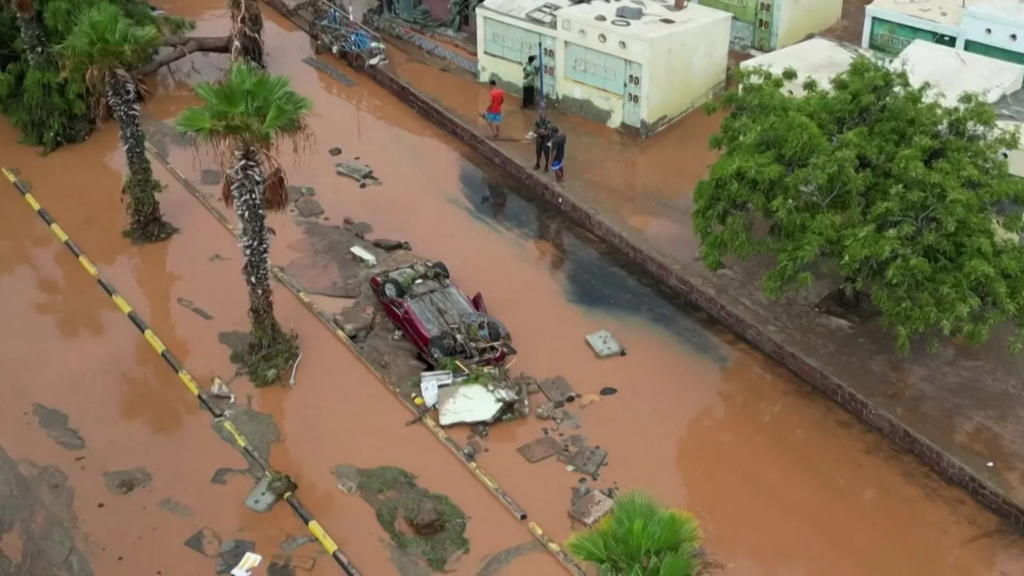
As another rainy season descends on Ghana’s cities, a prominent engineer is urging citizens to stop treating flooding as solely a government problem and to recognise their own role in both causing and preventing the disasters that upend thousands of lives each year.
Ing. Abeiku Hayford, a professional engineer and risk-management consultant, made the appeal during a live broadcast on Kesmi FM in Tamale on Monday, arguing that years of public education and government warnings have failed to produce meaningful behavioural change among Ghanaians who continue to build on waterways and dump refuse into drainage channels.
"The challenge is not only about infrastructure. It is also about behaviour and compliance with the laws that are designed to protect lives and property," Hayford told listeners, adding that citizens must stop waiting for the government alone to solve a crisis they actively contribute to.
His comments come as the capital braces for the peak of the rainy season. A multi-agency flood control and drainage desilting campaign has been intensified across Accra, with a coalition of government bodies and private companies racing to prepare infrastructure ahead of the heaviest rains.
A Problem Largely of Human Making
Ghana’s flooding crisis is not primarily a story of extreme weather. It is, in large part, a story of unregulated construction, encroachment on flood plains, and chronic poor waste management. Year after year, entire neighbourhoods are submerged not because the rains are unprecedented, but because the built environment has been allowed to develop in ways that leave no room for water to flow.
Hayford pointed to repeated violations of land-use and building regulations as a key driver of flood risk. Houses erected on authorised drainage paths, traders who block gutters with commercial waste, and residents who treat open channels as dumping sites all contribute to a cycle in which even moderate rainfall produces catastrophic flooding.
The economic toll is severe. Floods destroy homes and roads, shutter businesses, disrupt livelihoods, and threaten public safety. In a country where many urban dwellers operate in the informal economy and lack insurance, a single flood event can wipe out years of accumulated savings.
Beyond Reaction: A Case for Prevention
The engineer argued that Ghana’s current approach to flooding remains dangerously reactive. Resources are mobilised after disaster strikes — relief items distributed, roads cleared, communities surveyed — rather than invested in prevention measures that could avert the damage in the first place.
He called for a comprehensive strategy built on three pillars: strong institutions, responsible citizenship, and consistent enforcement of existing laws. On the institutional front, Hayford urged the government to strengthen agencies responsible for sanitation, physical planning, and disaster management, ensuring they are adequately resourced to carry out their mandates.
He also commended President John Dramani Mahama’s efforts to improve disaster preparedness but stressed that government action alone is insufficient without a corresponding shift in public attitudes.
What Citizens Can Do
Hayford outlined practical steps that individuals and communities can take. These include refraining from building on unauthorised sites, keeping drainage channels clear of debris, disposing of waste properly, and participating in community monitoring efforts that report violations to the relevant authorities.
"We need to change our ways and become advocates for change," he said. "We should not sit back and wait for the government alone to solve the problem. Citizens must take responsibility for their actions while also demanding accountability and concrete measures from leadership to prevent these disasters."
The message is straightforward: Ghana’s flood crisis will not be solved by drainage works and emergency responses alone. It requires a fundamental shift in how citizens relate to the urban environment — one in which personal responsibility is not an afterthought but a first line of defence.
Image Source: MYJOYONLINE