COCOBOD Defends Unprecedented Cocoa Price Intervention: ‘We Had to Save the Sector’
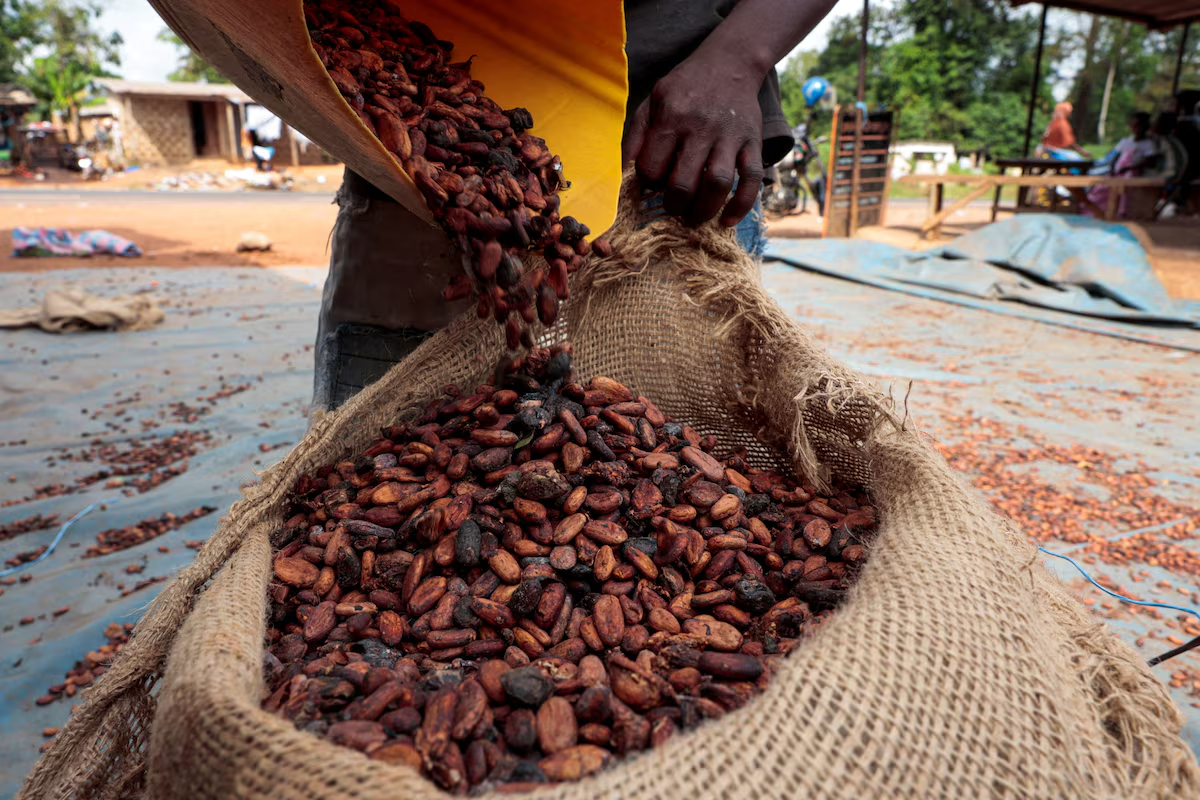
Ghana’s Cocoa Board has mounted a robust defence of its decision to intervene in cocoa pricing during the current season, describing the move as an extraordinary but essential step to prevent a deeper crisis in the country’s most important agricultural sector.
Jerome Sam, COCOBOD’s Head of Public Affairs, said the decision to adjust producer prices in February — a break from the country’s traditional pricing calendar — was driven by circumstances that left the board with little choice.
“It is quite unfortunate. Something happened that was this year. So, starting from the beginning of last year, which goes into this year, something happened, so we have to have a change in the price somewhere in February, which led to all these conversations,” Sam explained.
While Sam did not detail the precise triggers, the timeline suggests disruptions that began in the latter half of 2025 and cascaded into the current season, creating pressures that the normal pricing framework was not designed to absorb. The February review, though unusual, was followed by a decision to hold the revised price steady — a move Sam said was necessary to protect the sector’s long-term viability.
“I think it was necessary. Government and COCOBOD took that decision just to save a sector which significantly contributes to our GDP,” he said.
The defence comes at a sensitive moment. The cocoa industry has faced scrutiny over its management practices, and the mid-season price adjustment triggered a broader public debate about whether the government was doing enough to safeguard farmer welfare. Sam pushed back against suggestions that the intervention was poorly managed, insisting that farmer welfare was the overriding concern.
“Government took into consideration the income levels of the ordinary farmer. That is basically the first thing government took into consideration,” he said. “Inasmuch as we are protecting the farmer, we are also ensuring a sustainable sector, which will continue to play that major role in the lives of the farmers, as well as the economy.”
The remarks also drew an implicit contrast with Côte d’Ivoire, where producer prices move in lockstep with global markets. Ghana’s approach — absorbing price shocks at the institutional level rather than passing them directly to farmers — reflects a policy philosophy that prioritises stability over market responsiveness.
Whether that philosophy can endure as global cocoa markets become more volatile remains an open question. What is clear, for now, is that COCOBOD views the intervention not as a one-off anomaly but as a necessary act of stewardship — one that, in its telling, may have prevented a far worse outcome for the sector and the communities that depend on it.
“We made a decision that, look, the farmer has already been hit, so we need to make sure that the prices remain unchanged, so we can end the season,” Sam said. For an institution that has spent decades managing one of Ghana’s most strategic industries, that framing — of a sector saved rather than merely managed — carries deliberate weight.
Image Source: MYJOYONLINE