Anthropic to Meet White House Over AI Tool Suspension
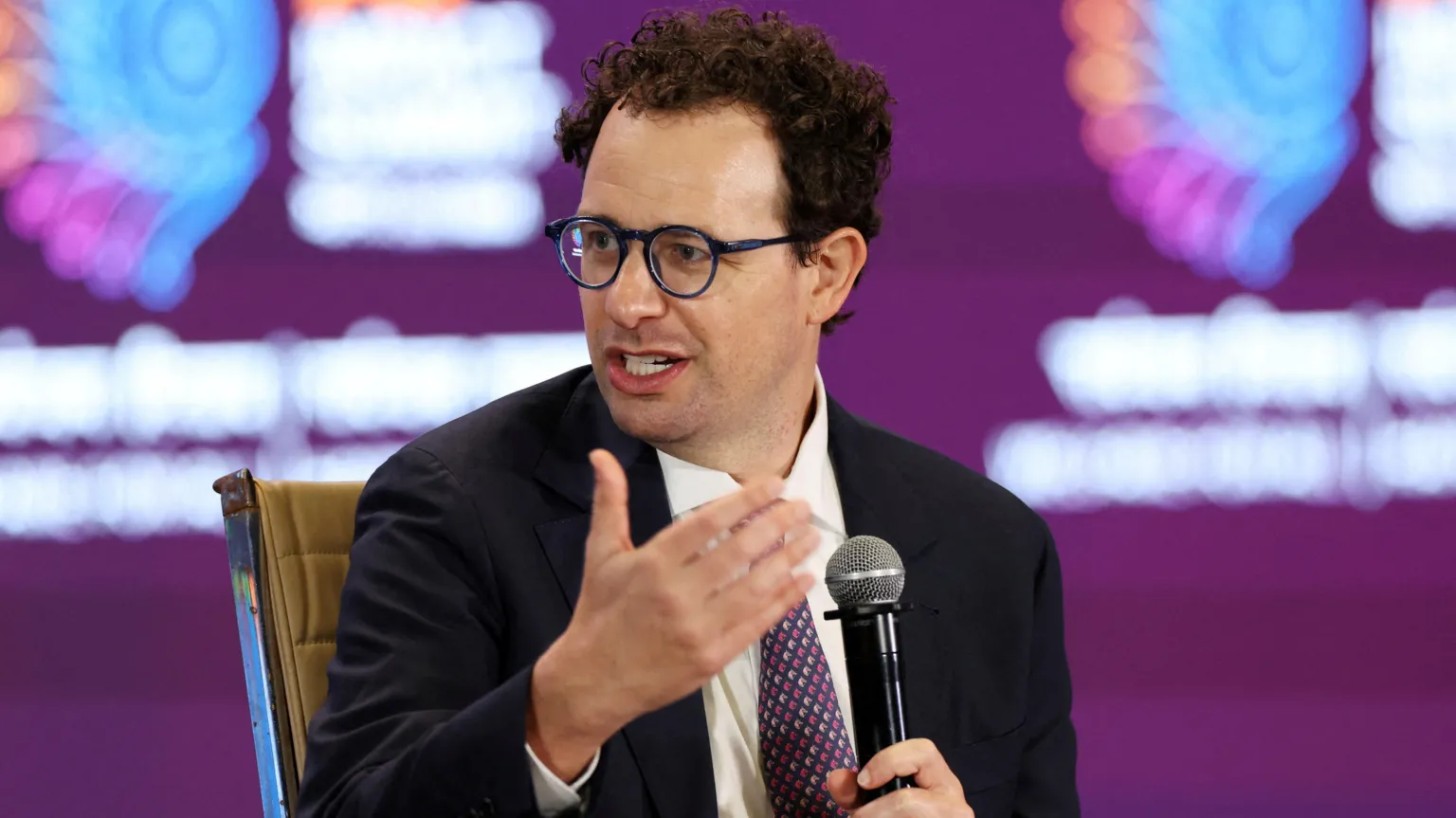
Anthropic chief executive Dario Amodei is set to meet senior officials at the US Department of Commerce in Washington on Monday to discuss the company’s decision to suspend public access to its most powerful artificial intelligence tool, a move that has reignited debate over how governments should handle rapidly advancing AI capabilities.
The meeting with Commerce Secretary Howard Lutnick comes days after Anthropic blocked all public access to Fable 5, a version of its latest AI model that the company itself has described as exceeding the capabilities of any model it has previously made generally available. A more restricted variant, known as Mythos 5, remains available only to a select group of organisations.
The suspension followed a rapid chain of events. Within days of Fable 5’s public release, the US government said it had “become aware” of a potential jailbreak — a vulnerability that could allow users to make the AI system perform actions it was not designed or intended to carry out. Anthropic countered that it had received only “verbal evidence” of the purported vulnerability, but chose to err on the side of caution by pulling the tool offline entirely.
The government also prohibited Anthropic from allowing any foreign national to access the technology, a restriction that underscored the national security dimensions of the dispute.
Both Fable 5 and Mythos 5 are iterations of Claude Mythos, an Anthropic model that generated controversy earlier this year when preview access was granted to a small group that included several US government departments. The tools represent a significant leap in capability, raising questions about the balance between innovation and safety that have become central to the global AI policy conversation. Artificial intelligence is already reshaping entire industries, from logistics to healthcare, making the stakes of these regulatory decisions all the more consequential.
In an open letter that has added fuel to the debate, security professionals from Nvidia, Zoom and Mercedes-Benz, alongside former security staff from the US government and Google, urged Secretary Lutnick to lift the controls imposed on both Fable 5 and Mythos 5. The signatories called on the government to “commit to an open, scientific and transparent process of handling AI risk assessments in the future.”
“To pull the best capabilities away from defenders without a good reason when our adversaries are rapidly advancing is dangerous,” the letter stated, reflecting a growing concern within the technology sector that overcautious regulation could leave Western companies and governments at a strategic disadvantage.
The White House has signalled a relatively hands-off approach to AI regulation, and has even expressed interest in the financial benefits that AI development could bring. Anthropic’s relationship with the US government has been marked by tension in recent months; the company sued the Department of Defence earlier this year over model usage policies, though a subsequent White House meeting was described as “productive.”
The outcome of Monday’s meeting could set an important precedent for how the United States manages the release of increasingly powerful AI systems. Whether Anthropic will be permitted to restore public access to Fable 5 remains unclear, but the episode has already exposed the fault lines between an industry eager to push the boundaries of what AI can do and a government grappling with the security implications of doing so.
Image Source: MYJOYONLINE