Vehicle Pollution Emerges as a Leading Risk Factor for Death in Ghana
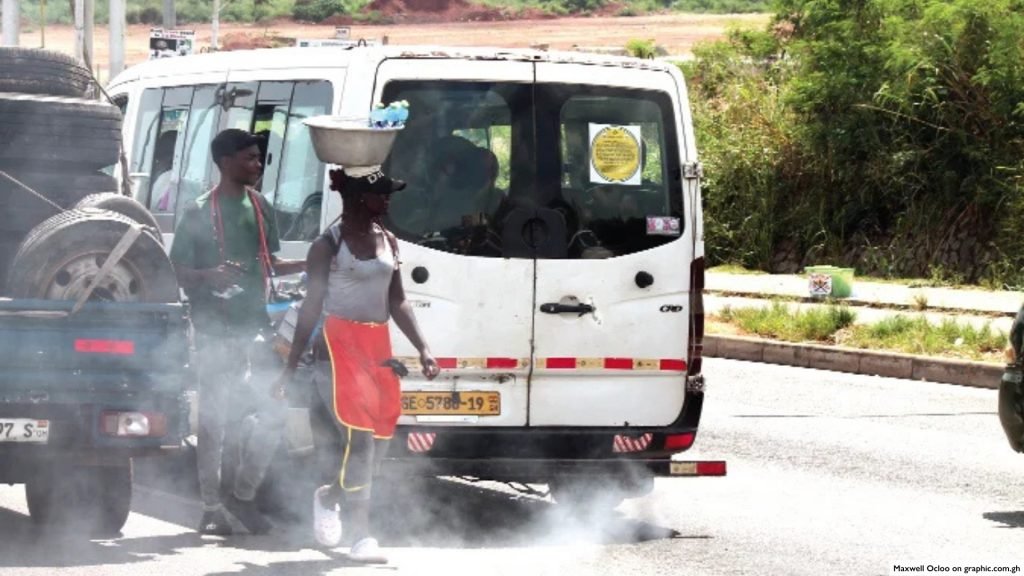
Across Ghana’s growing urban centres, a silent killer operates in plain sight. Vehicle emissions — thick plumes of exhaust fumes from ageing trucks, poorly maintained taxis, and commercial vehicles running on low-grade fuel — have quietly become one of the most significant risk factors for premature death in the country, affecting children and the working-age population most acutely.
The problem is not new, but its scale has grown sharply in recent years as rapid urbanisation and a booming vehicle population outpace regulatory enforcement. In cities such as Accra, Kumasi, and Takoradi, daily exposure to particulate matter, nitrogen dioxide, and carbon monoxide from vehicular exhaust has reached levels that global health bodies classify as dangerous.
Children are particularly vulnerable. Their smaller lung capacity, faster breathing rates, and developing respiratory systems mean that prolonged exposure to polluted air can cause lasting damage. Studies conducted in Accra’s traffic corridors have found elevated rates of asthma, bronchitis, and other respiratory conditions among schoolchildren who live or study near major roads. For many families in low-income neighbourhoods situated along arterial highways, there is no escape from the daily influx of toxic air.
The working class bears a disproportionate burden as well. Street vendors, traffic police officers, trotro drivers, motorcycle couriers, and construction workers spend the bulk of their waking hours in direct contact with vehicle emissions. Occupational exposure among these groups has been linked to higher rates of cardiovascular disease, chronic obstructive pulmonary disorder, and lung cancer — conditions that claim thousands of Ghanaian lives each year without receiving the public health attention they warrant.
Ghana’s vehicle fleet is a central part of the problem. The country continues to import large volumes of used vehicles, many of which were discarded from Europe and Asia because they no longer meet stricter emission standards abroad. These older models, often lacking catalytic converters or functioning emission control systems, produce significantly higher levels of pollutants per kilometre than newer vehicles. The proposed legislative upgrades to the Ghana Meteorological Agency could, if enacted, improve the country’s capacity to monitor air quality and enforce emission standards, but such institutional reforms remain in their early stages.
Fuel quality compounds the challenge. While Ghana has made strides in reducing sulphur content in diesel, enforcement of fuel standards at the pump remains inconsistent. Sulphur levels in fuel sold at some filling stations still exceed international benchmarks, producing exhaust fumes that carry a heavier toxic load.
Public health experts have called for a multi-pronged response. Strengthening the Driver and Vehicle Licensing Authority’s roadworthiness inspection regime to include rigorous emission testing is widely regarded as an essential first step. Investment in public mass transit systems would reduce the sheer number of private vehicles on the road. Expanding green corridors and pedestrian zones in high-traffic areas could limit the exposure of the most vulnerable populations.
There is also a role for urban planning. Many of Ghana’s fastest-growing residential developments are springing up along highways and major roads with no buffer zones or green spaces to filter particulate matter. Requiring environmental impact assessments that specifically address air quality could shift the trajectory of new developments.
The health costs of inaction are mounting. Hospital admissions for respiratory conditions in Accra spike during periods of heavy traffic congestion, and the economic productivity lost to pollution-related illness places an invisible drag on the national economy. Without decisive policy intervention, vehicle pollution will continue to cut short the lives of Ghana’s children and working population — not in some distant future, but every day, in every traffic jam, on every congested road.
Image Source: MYJOYONLINE