Deputy Electoral Commission Chair Bossman Asare Resigns, Effective July 31
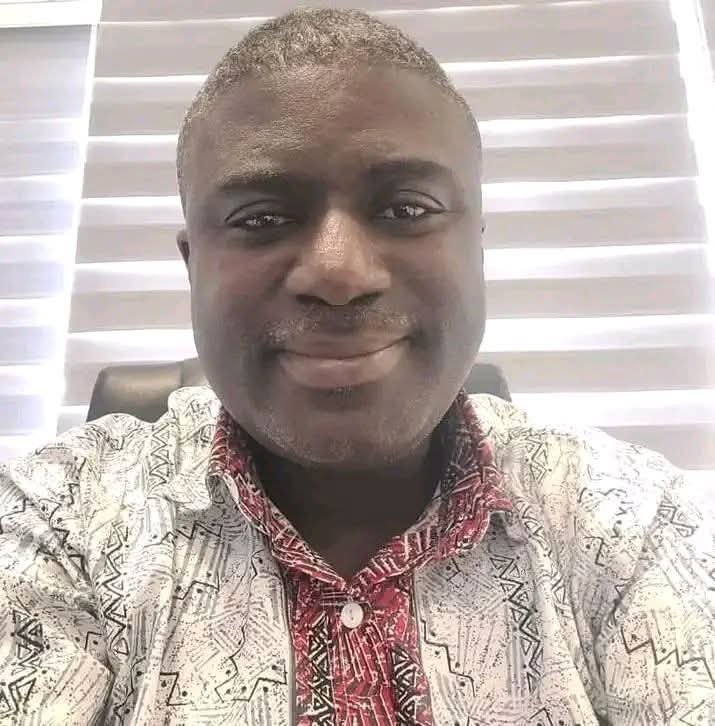
Dr. Bossman Asare, Deputy Chairperson of Ghana’s Electoral Commission in charge of Corporate Services, has submitted his resignation to the President, effective July 31, 2026. The announcement was made on Sunday by Minister for Government Communications Felix Ofosu Kwakye during the Government Accountability Series.
According to the Minister, Dr. Asare expressed his appreciation to the President and the people of Ghana for the opportunity to serve the country. He intends to return to academia and resume his duties as a staff member at the University of Ghana.
Dr. Asare’s departure marks the second high-level exit from the Electoral Commission in recent days. Dr. Samuel Tettey, the Deputy Chairperson in charge of Operations, has also retired from the commission. Together, the two departures represent a significant reshaping of the commission’s senior leadership at a time when Ghana’s electoral infrastructure is undergoing modernisation.
The Electoral Commission, constitutionally mandated to organise and supervise elections in Ghana, has faced intense public scrutiny in recent years over its management of voter registration exercises, procurement practices, and the credibility of election results. Changes at the top of the institution naturally draw heightened attention from political parties and civil society organisations.
Dr. Asare’s tenure was not without controversy. As Deputy Chair for Corporate Services, he was involved in several administrative decisions that drew criticism from opposition figures and governance advocates. His decision to return to the University of Ghana, where he previously served as an academic, suggests a desire to step away from the political pressures that accompany senior positions at the commission.
The resignations come at a relatively quiet point in Ghana’s electoral calendar, with the next general election still some distance away. This timing may allow the commission to reconstitute its leadership team without the immediate pressure of an approaching vote. However, the process of appointing replacements will inevitably become a subject of political negotiation, given the sensitivity of the positions involved.
Under Ghana’s constitution, members of the Electoral Commission are appointed by the President on the advice of the Council of State, subject to parliamentary approval. The departure of two deputy chairs simultaneously raises questions about who will be named as replacements and whether the appointments will command cross-party confidence.
Governance experts have long argued that the credibility of Ghana’s Electoral Commission depends not only on the integrity of its processes but also on public trust in its leadership. President Mahama’s approval rating, which recently climbed to 71 percent according to Global InfoAnalytics, gives the administration significant political capital, but the choice of new commissioners will test whether that goodwill extends to institutional appointments.
As Dr. Asare prepares to return to lecture halls and Dr. Tettey enters retirement, the Electoral Commission faces the task of maintaining institutional continuity while navigating the transition. The coming weeks will reveal whether the government moves swiftly to fill the vacancies or allows an extended period of interim arrangements.
Image Source: GHANAIAN TIMES