Ghana to Seek Review of Canada’s Visa Decision on Thomas Partey
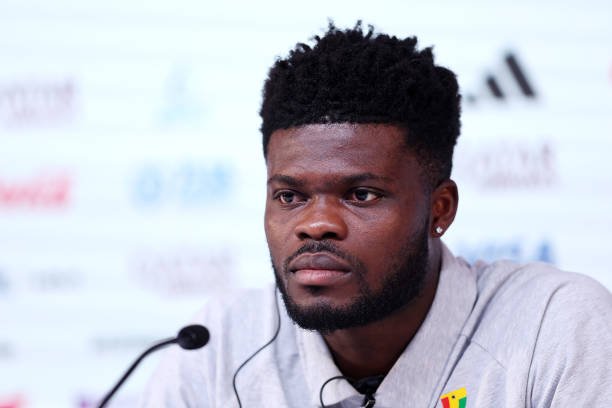
Ghana is expected to formally request a review of Canada’s decision to deny midfielder Thomas Partey a visa ahead of the Black Stars’ opening match at the 2026 FIFA World Cup.
The Villarreal midfielder was ruled out of Ghana’s Group L opener against Panama in Toronto after Canadian authorities refused his visa application, a decision confirmed by FIFA on Friday.
FIFA said it has no authority over immigration decisions made by host countries. “FIFA is not involved in the immigration processes of host countries, including the adjudication of visas. As with previous FIFA events, the host government ultimately determines who receives a visa and is admitted into the country,” the governing body said.
Sports Minister Kofi Adams told Citi FM that government has engaged the Ministry of Foreign Affairs and other relevant authorities to challenge Canada’s decision. “As has been indicated by His Excellency, John Dramani Mahama, and the mandate through his Foreign Affairs Minister, Samuel Okudzeto Ablakwa, that any Ghanaian touched anywhere, we will not keep quiet over it. Through the appropriate channels, we have communicated to the rightful authorities and are requesting them to review the decision. I hope and pray that they do what they must do, and do it right,” Adams said.
The visa denial adds to a turbulent build-up to Ghana’s World Cup campaign. Partey, who is already confirmed as ruled out of the Panama match, has been granted entry into the United States and has been training with the squad at their base in Boston. He remains eligible for Ghana’s remaining group matches against England and Croatia, both of which will be played on American soil.
The 32-year-old is facing criminal charges in the United Kingdom, including seven counts of rape and one count of sexual assault. He has pleaded not guilty to all the charges, and the case remains before the courts.
While FIFA has distanced itself from host-country immigration policy, the situation raises questions about how visa decisions intersect with sporting obligations under FIFA’s tournament framework. The governing body’s statement, while procedurally correct, does little to address the competitive disadvantage Ghana now faces without one of its most experienced midfielders for a crucial opening fixture.
Ghana opens its World Cup campaign against Panama on June 17 in Toronto before returning to the United States for its remaining Group L fixtures. The government’s diplomatic push for a visa review, if successful, could still see Partey available for the later group-stage matches.
The episode underscores the broader challenge facing African nations at tournaments held in countries with complex immigration regimes, where individual player circumstances can derail carefully laid sporting plans regardless of FIFA’s neutrality on such matters.
Image Source: MYJOYONLINE