Ghana Has Repatriated More Than 5,000 Stranded Citizens Since the Pandemic
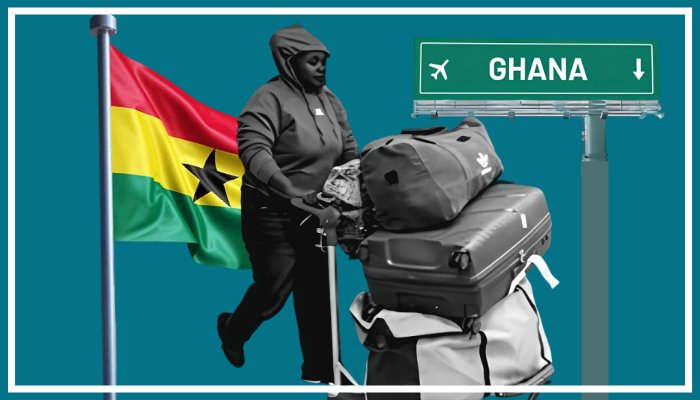
Ghana has brought home more than 5,000 of its citizens from around the world since the COVID-19 pandemic began, a figure that underscores both the scale of the diaspora experience and the growing complexity of protecting nationals abroad. The latest chapter came this week when 327 Ghanaians left homeless by a mass demolition in Cote d’Ivoire were transported back across the border by road, their belongings loaded onto government-provided buses and trucks.
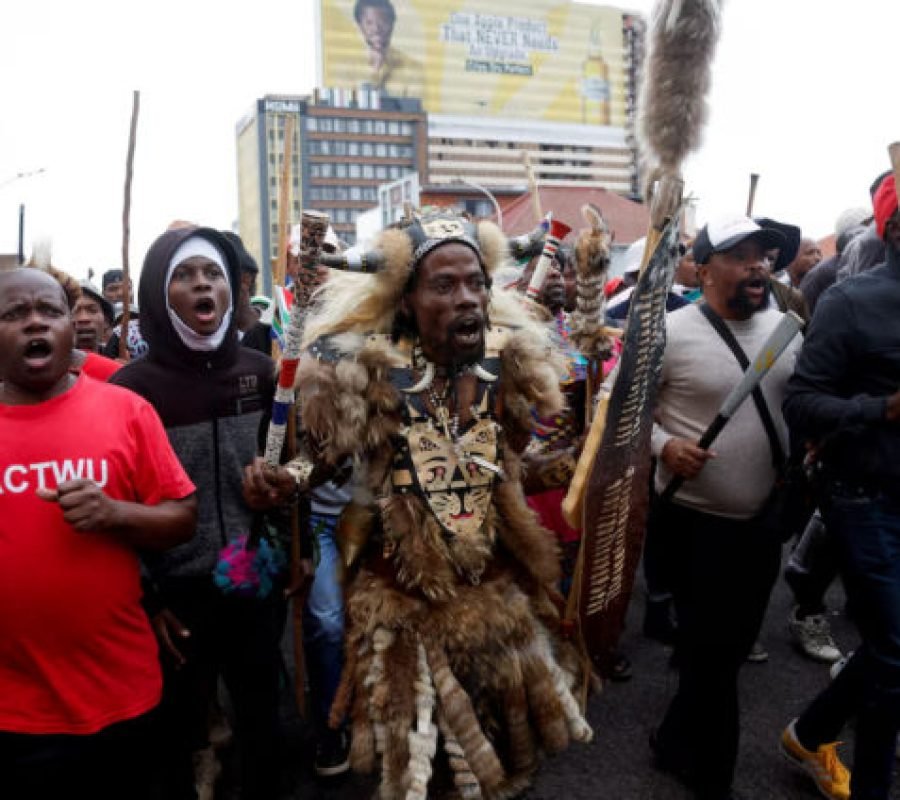
The operation, carried out over two days with 228 arriving on Thursday and the remainder on Friday, followed a pattern that has become increasingly familiar to Ghanaian diplomats and aid workers. Barely two weeks earlier, Accra had begun a far larger evacuation from South Africa, where anti-immigration protests have created a hostile environment for foreign nationals. By mid-June, roughly 1,000 Ghanaians had been flown home from Johannesburg and Pretoria, with more than 1,500 registered for evacuation.
The repatriation effort stretches back to March 2020, when border closures to contain the coronavirus left thousands of citizens stranded overseas. By mid-2020, the government had flown home 856 nationals in phases, including 224 from the United Kingdom. Kuwait separately returned 245 Ghanaians under a migrant amnesty arrangement.
But the largest single stream of returns has come not through government evacuations but through the International Organization for Migration’s voluntary return programme, funded mainly by the European Union. Most of those assisted are migrants who attempted to reach Europe irregularly through Libya, where many were detained and subjected to abuse. The IOM helped 835 Ghanaians home in 2023 and a record 1,723 in 2024, a 106 per cent increase, including 1,597 flown from Libya on nine charter flights.
The South Africa evacuation, however, has proved the most politically charged. After summoning Pretoria’s ambassador over reported attacks on its nationals, Ghana launched a voluntary repatriation programme in late May as protests over unemployment, crime, and pressure on public services fuelled hostility toward migrants. The first chartered flight carried about 300 people to Accra on May 27, among them 26 who had been jailed over visa violations. A second flight returned 295 more.
The exercise quickly became entangled in a dispute over the legal status of the returnees. South Africa’s Border Management Authority found that only about 10 per cent of the first group of 300 had correct papers. International Relations Minister Ronald Lamola said most of those flown out had overstayed their visas, in some cases by more than a year, and had been declared undesirable under immigration law. Almost 74 per cent had overstayed, he said in a radio interview on June 10.
Ghana rejected that characterisation. Foreign Minister Samuel Okudzeto Ablakwa told JoyNews that most departing Ghanaians were in fact legal residents, with only a few still finalising paperwork. He dismissed any link between his compatriots and crime as false and misleading, noting that South African crime agencies had screened evacuees at Ghana’s High Commission against a database of wanted suspects without flagging a single person.
Ablakwa also revealed that Ghana had petitioned the African Union to hold South Africa accountable for recurring xenophobic violence and did not rule out action in international courts. The evacuation is being financed from the government’s contingency budget, with parliamentary approval.
Alongside the South Africa airlift, Ghana has mounted smaller rescues. In March, 44 citizens lured to Nigeria under a multi-level marketing scheme were freed from suspected trafficking camps in Akwa Ibom. In May, 28 mostly young Ghanaians were rescued from a trafficking network in Cote d’Ivoire in a joint operation with Ivorian security forces.
The latest return of 327 from Abidjan’s Port Bouet district was different in character, a displacement crisis rather than a trafficking case. Ivorian authorities expressed a desire to compensate those affected by the demolition, and Ghana said it would press to ensure the promised payments materialise. Officials pledged transportation and reintegration allowances, promising to place returnees in a database for jobs and start-up support.
The scale of the operation, more than 5,000 citizens in just over five years, raises questions about the adequacy of consular protections and the economic conditions that drive Ghanaians abroad in the first place. The previous repatriation of hundreds of nationals from Cote d’Ivoire earlier this year highlighted similar vulnerabilities, as citizens found themselves at the mercy of host-country policies with little warning or recourse.
Image Source: MYJOYONLINE