Local Government Minister Urges District Assemblies to Improve Utilisation of Decentralisation Funds
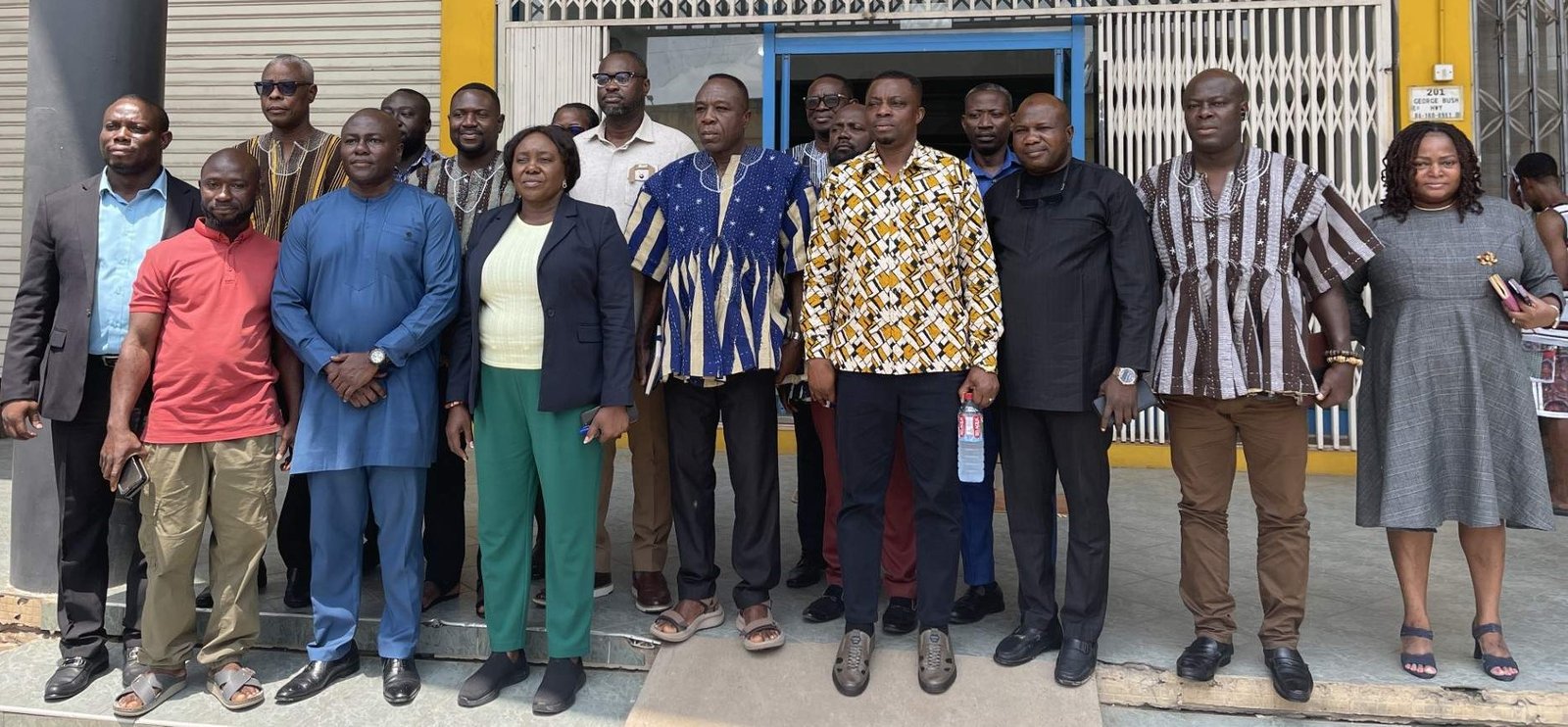
Mr Ahmed Ibrahim, the Minister for Local Government, Chieftaincy and Religious Affairs, has issued a pointed call to Metropolitan, Municipal and District Assemblies (MMDAs) across Ghana to significantly improve their utilisation of decentralisation funds, warning that persistent under-spending is undermining the very purpose of devolved governance.
The minister’s admonition, delivered on Thursday, addresses one of the most persistent inefficiencies in Ghana’s local government system: the chronic failure of district assemblies to absorb and deploy the funds allocated to them for development projects. Year after year, audits and budget reviews reveal that a significant proportion of decentralisation funds are either returned unspent or channelled into activities that bear little resemblance to the development priorities they were intended to serve.
Decentralisation was meant to bring governance closer to the people. Ghana’s 1992 Constitution and the Local Government Act established a framework for devolving authority, resources, and decision-making power to district-level institutions. The logic was straightforward: local leaders who understand their communities’ needs are better placed to allocate resources than distant bureaucrats in Accra.
The reality has fallen far short of that vision. Despite receiving statutory funds from the District Assemblies Common Fund and other revenue-sharing mechanisms, many assemblies struggle to plan effectively, execute projects on time, or account for how public money has been spent. The result is a paradox: communities with acute needs for roads, schools, clinics, and water systems watch funds sit idle in assembly accounts while development stagnates.
The minister’s call echoes concerns he raised earlier when he directed the Ayawaso Central Municipal Assembly to provide detailed records of how more than GH¢400,000 allocated to persons with disabilities had been spent. That episode highlighted a broader pattern of inadequate financial accountability at the district level, where funds earmarked for vulnerable populations are sometimes absorbed into general administrative costs or spent on projects that lack clear justification.
The problem is not simply one of capacity, though capacity gaps are real. Many district assemblies lack qualified financial officers, project managers, and planning officers. Procurement processes are slow and cumbersome, and political interference in technical decisions further delays project implementation. But the minister’s call suggests that government patience with these explanations is wearing thin.
Improving fund utilisation requires a multi-pronged approach. Assemblies need stronger internal audit functions, more transparent procurement systems, and clearer linkages between budgeted allocations and community-identified priorities. Civil society organisations and community members must be empowered to monitor how funds are spent and hold local officials accountable when projects stall or funds disappear.
The stakes extend beyond individual district budgets. Ghana’s decentralisation experiment is watched closely as a model for governance reform across West Africa. If the country cannot demonstrate that devolved governance delivers tangible improvements in public services and infrastructure, the entire framework risks losing legitimacy — and with it, the trust of citizens who were promised that bringing government closer to the people would make it more responsive to their needs.
Image Source: GHANA BUSINESS NEWS