Norway Backs Ghana’s Marine Conservation Drive, Pledges Support for Coastal Protection
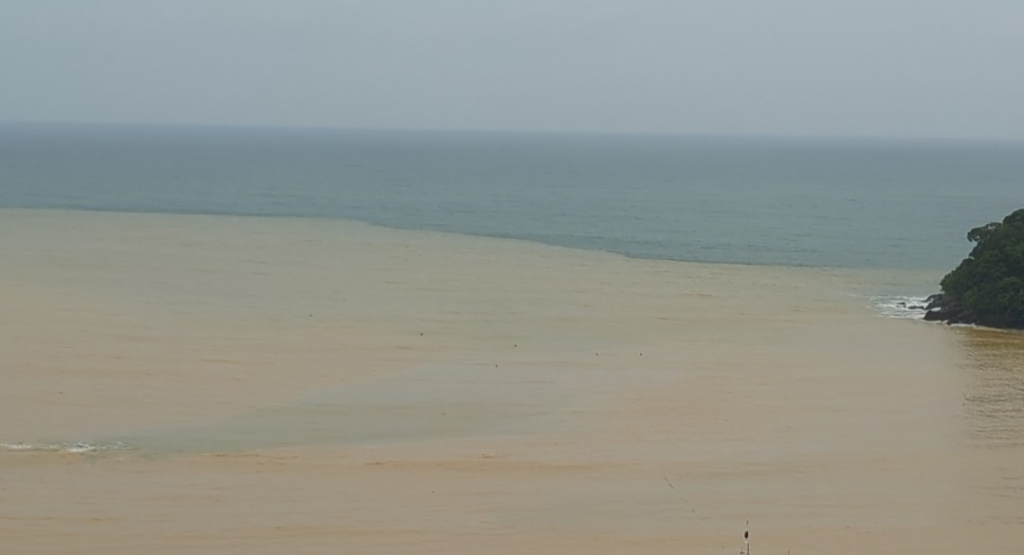
Norway has reaffirmed its commitment to supporting Ghana’s efforts to protect its marine resources, with the Norwegian Ambassador to Ghana leading a delegation to the Western Region to assess the impact of conservation initiatives in coastal communities.
John Mikal Kvistad, Norway’s top diplomat in the country, visited Butre, Cape Three Points, and Princess Town in the Ahanta West Municipality — communities within Ghana’s first-ever Marine Protected Area in the Greater Cape Three Points enclave. The visit was organised to evaluate the work being done by Hen Mpoano, a local non-governmental organisation that Norway has been supporting in sustainable ocean management.
“Our local partners, Hen Mpoano, are doing well, and I am here to see some of the results,” Mr Kvistad said. “It is important to see what is happening on the ground and not always read reports.”
The Norwegian government’s support focuses on several interconnected areas: sustainable fisheries management, marine ecosystem restoration, gender-responsive conservation, and creating economic opportunities for women and young people in fishing communities. The approach recognises that protecting the ocean is not merely an environmental concern but a matter of food security, climate resilience, and the survival of entire communities.
Kofi Agbogah, Executive Director of Hen Mpoano, described the establishment of the Marine Protected Area as a significant milestone in Ghana’s efforts to manage its ocean resources sustainably. He called for continued collaboration and investment to ensure the initiative delivers lasting benefits for both marine ecosystems and the people who depend on them.
The visit comes at a critical juncture for Ghana’s coastal communities. Fishing villages along the Western Region coast face mounting pressures from climate change, declining fish stocks, and the degradation of marine habitats. Illegal fishing practices, including the use of prohibited nets and light fishing, have compounded the problem, threatening the livelihoods of thousands of families.
Ghana’s broader environmental governance has faced scrutiny in recent months. The Forestry Commission recently condemned an attack on its personnel in the Bono East Region, an incident that highlighted the tensions between resource management and local communities. The marine conservation effort in the Western Region offers a contrasting model — one built on partnership and community engagement rather than enforcement alone.
International partnerships like the one with Norway are increasingly vital as Ghana seeks to balance economic development with environmental stewardship. The Greater Cape Three Points Marine Protected Area represents a test case for whether community-led conservation can deliver results at scale, and whether foreign support can be channelled effectively to protect both ecosystems and livelihoods.
For the fishing families of Butre, Cape Three Points, and Princess Town, the stakes could not be higher. Their futures depend on whether the ocean that has sustained generations can be protected for those yet to come.
Image Source: MYJOYONLINE