Ghana Unveils Revised Cultural Policy to Harness Heritage for Economic Growth
Ghana has formally adopted a revised national Cultural Policy, replacing a 2004 version with what officials describe as a comprehensive framework for leveraging the country’s heritage and creative industries as engines of economic growth, job creation and social transformation.
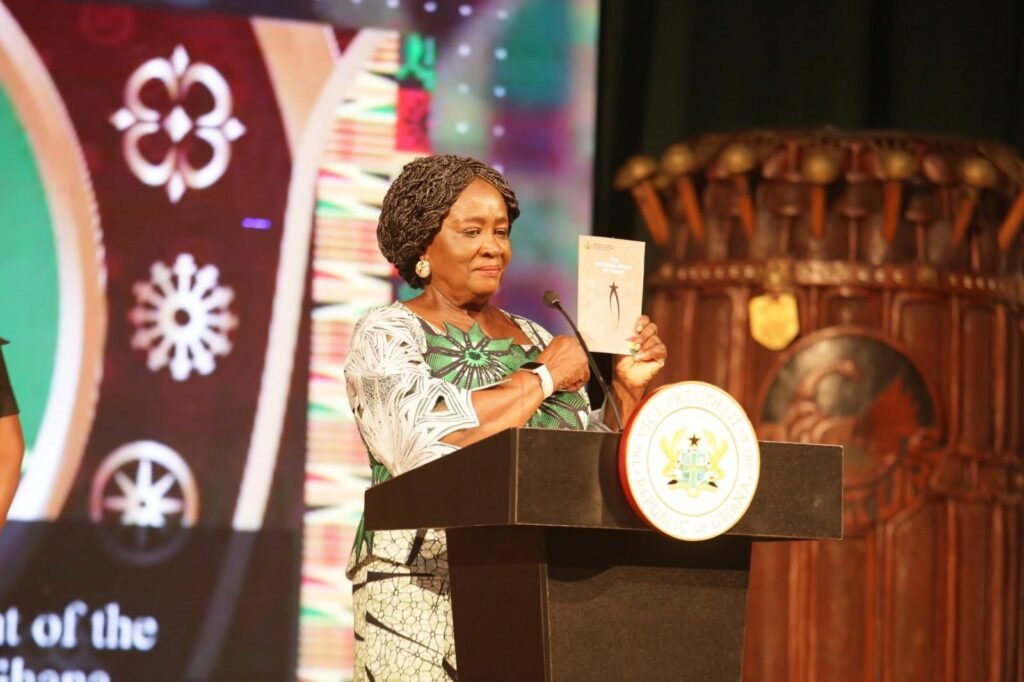
Vice President Professor Jane Naana Opoku-Agyemang unveiled the policy on June 8 at the National Theatre in Accra, calling on government agencies, traditional authorities, the diaspora and young people to unite behind its objectives.
“Let this launch mark the start of a bold chapter in Ghana’s cultural journey,” Prof. Opoku-Agyemang said. “We must build a nation that draws strength from its heritage, creates opportunities through innovation, and projects its voice with confidence and influence on the world stage.”
The revised policy, which took seven years of stakeholder consultations to finalise, aligns with the United Nations Sustainable Development Goals and the African Union’s Agenda 2063. It positions culture not merely as a domain of preservation but as a strategic pillar of national development planning.
Minister for Tourism, Culture and Creative Arts, Abla Dzifa Gomashie, said the policy will support creative entrepreneurs and cultural investors while integrating cultural considerations into broader economic planning.
The framework spans six key areas: culture and heritage; culture and society; culture and governance; culture across the economy; culture and technology; and national oversight, implementation and regulation.
The policy’s emphasis on the Cultural and Creative Industries (CCIs) reflects a growing recognition across Africa that the creative economy — encompassing everything from film and music to fashion and traditional crafts — represents a significant, largely untapped source of employment and revenue.
Ghana’s music and film sectors, in particular, have gained international visibility in recent years. The policy aims to build on that momentum by creating institutional structures and investment frameworks that allow the creative economy to scale.
Critics will be watching to see whether the revised policy translates into concrete funding and regulatory reform, or whether it remains, like its predecessor, a largely aspirational document. The seven-year gestation period itself raises questions about the pace of implementation.
Still, the launch signals a deliberate effort by the current administration to place culture at the centre of its development agenda — a move that, if backed by sustained investment, could reshape how Ghana generates and distributes cultural capital.
Image Source: MYJOYONLINE