Inside the Plan to Turn Around Kenya Airways
Kenya Airways made headlines last year when it reported its first full-year profit in 12 years, with net earnings hitting a historical high of Sh5.4 billion for 2024. It was the kind of result that suggested the national carrier had finally turned a corner after more than a decade of losses, restructuring exercises, and government bailouts.
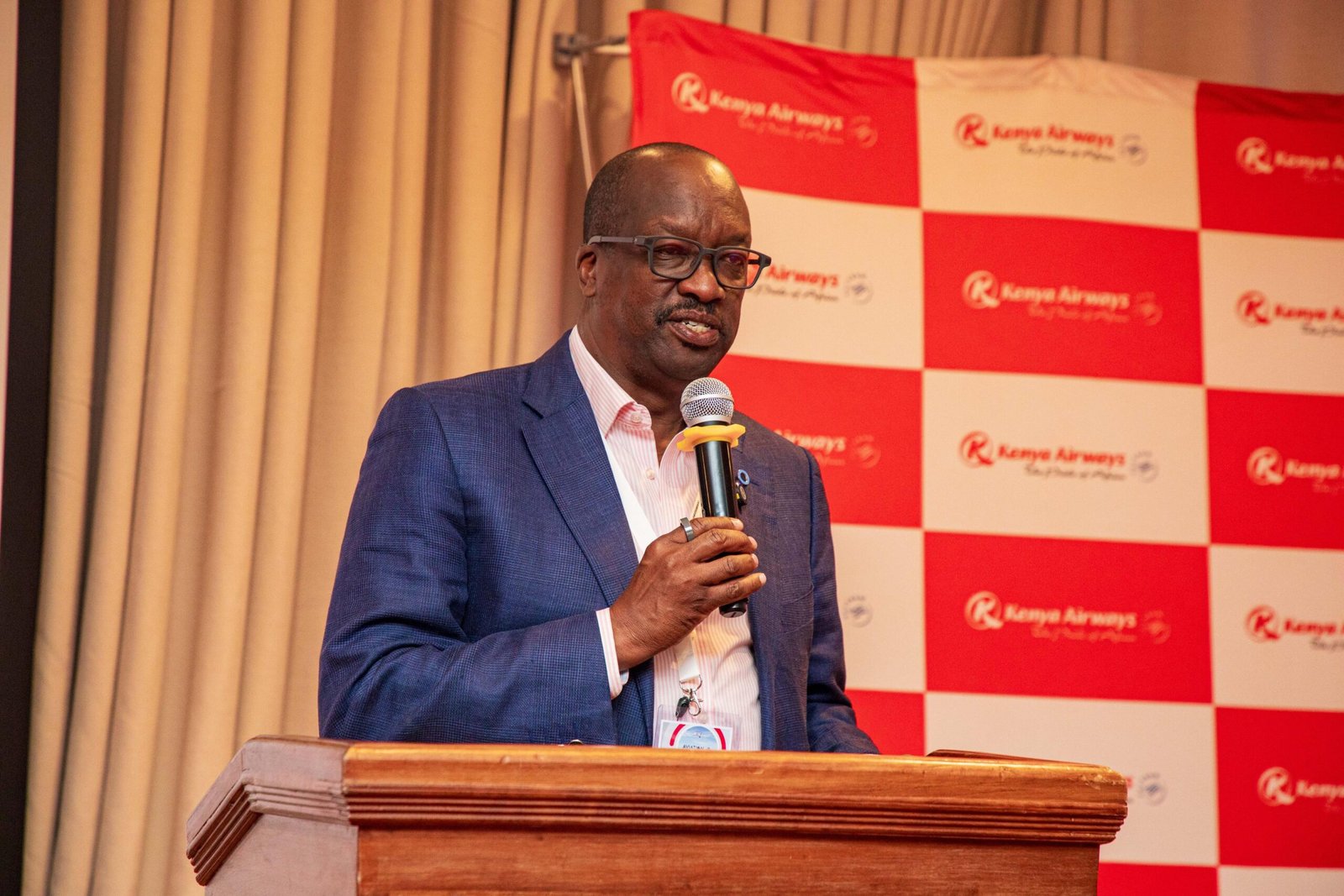
Then reality intervened. Geopolitical tensions and maintenance issues struck a double blow to the airline’s recovery, threatening to undo the fragile gains of the previous year. The challenges have forced Kenya Airways chairman Kiprono Kittony and his board to confront a difficult question: can the airline sustain its turnaround, or was 2024 an anomaly?
The answer, according to those inside the airline, lies in a multi-pronged strategy that goes beyond simply filling seats and cutting costs. Kenya Airways is pursuing what it describes as a “structural transformation” — a plan that encompasses fleet renewal, route rationalisation, operational efficiency improvements, and a fundamental rethinking of the airline’s commercial model.
At the heart of the strategy is fleet modernisation. The airline has been operating a mixed fleet of Boeing and Embraer aircraft, some of which are ageing and increasingly expensive to maintain. The plan involves phasing out older, less fuel-efficient planes and replacing them with newer models that offer lower operating costs per seat-kilometre. This is capital-intensive work, and Kenya Airways has been exploring a mix of leasing arrangements and outright purchases to fund the transition.
Route rationalisation is another pillar. The airline has historically operated a number of routes that are strategically important but commercially marginal. Some of these serve as political commitments rather than profit centres — connecting Nairobi to secondary African cities that lack the passenger volumes to justify daily service. The new approach involves codeshare agreements and interline partnerships that allow Kenya Airways to maintain connectivity without bearing the full cost of operation.
Operational efficiency has also come under scrutiny. Fuel remains the single largest cost item for any airline, and Kenya Airways has been working to reduce its fuel burn through a combination of flight optimisation software, more efficient ground handling procedures, and weight-reduction initiatives onboard. Maintenance costs, which surged due to supply chain disruptions affecting spare parts availability, are being managed through longer-term contracts with maintenance providers.
The geopolitical headwinds, however, are harder to manage. The airline’s network passes through airspace that has become more contested in recent years, and route diversions to avoid conflict zones add both time and fuel cost to flights. The heightened global scrutiny of aviation safety and regulatory compliance has also raised the bar for carriers operating in challenging environments.
Kenya Airways’ leadership insists that the fundamentals of the turnaround are sound. The airline’s load factors — the percentage of available seats that are filled — have improved, and its yield per passenger-kilometre has strengthened. The corporate travel segment, which was devastated by the pandemic, has recovered more strongly than expected, and the airline’s cargo division has become an increasingly important revenue stream.
The Kenyan government, which holds a 48.9 per cent stake in the airline, has signalled its continued support, though with conditions. There have been renewed discussions about a potential merger with the Kenya Airports Authority to create a single aviation holding company, a proposal that has been debated for years but has gained fresh momentum as the government seeks to rationalise its aviation assets.
For passengers and investors alike, the question is whether Kenya Airways can convert a single year of profit into a sustainable business model. The airline’s history is littered with false dawns — periods of optimism followed by sharp reversals. This time, the leadership argues, the changes are structural rather than cosmetic, and the turnaround plan is built on foundations that can withstand external shocks.
Image Source: GHANAMMA