Ghana Must Retain More Value From Minerals Through State Ownership, Says Kwabena Donkor
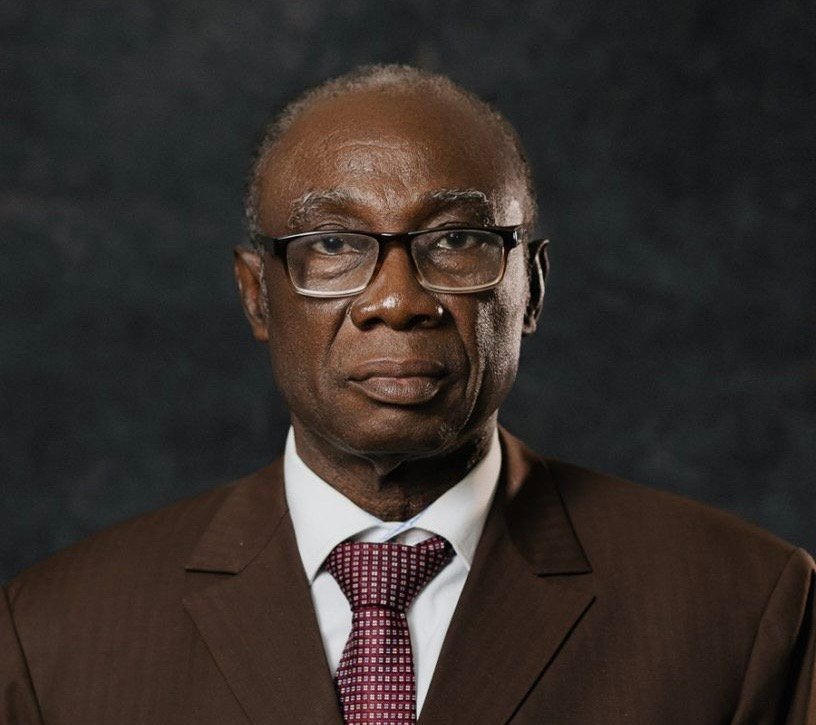
Ghana’s mining sector stands at a crossroads. Despite decades of gold extraction that has made the country one of Africa’s top producers, the lion’s share of the financial returns continues to flow overseas, enriching foreign shareholders while the communities that sit atop these mineral deposits see relatively modest benefits. Former Chairman of Parliament’s Energy and Mines Committee, Kwabena Donkor, believes it is time for that equation to change — and he has a clear blueprint for how it should happen.
Dr. Donkor is calling for a fundamental restructuring of Ghana’s mining sector through increased state ownership of mineral assets. His proposal centres on the revival of the State Gold Mining Corporation (SGMC) as a lean, state-owned entity that would hold mining concessions on behalf of the nation while outsourcing actual extraction and processing activities to private Ghanaian companies.
A Model That Already Exists
Crucially, Dr. Donkor is not calling for the nationalisation of mines — a distinction he is at pains to emphasise. What he is proposing is what he terms a “state ownership, private operation” model, a framework he argues already exists in practice within the sector.
“This is consistent with current practice. Gold Fields does the administration and the ownership. The actual mining operations are done by subcontractors. The Ghanaian state can use that model,” he explained. Under this arrangement, the revived SGMC would function as an oversight and strategic planning body, maintaining a small, efficient workforce while private operators handle the technical and logistical demands of mining operations.
The concept draws on established international precedents. Several resource-rich nations have adopted similar frameworks to ensure that mineral wealth translates into national development rather than merely enriching external investors.
Ghana’s Technical Maturity
A central pillar of Dr. Donkor’s argument is that Ghana has outgrown its historical dependence on foreign technical expertise in the mining sector. He points to the fact that local professionals now dominate key technical roles across the industry — from engineering and geology to metallurgy and mining management.
“We are a net exporter of highly skilled human capital in the mining space,” he noted, observing that Ghanaian mining professionals are increasingly sought after in established mining jurisdictions such as Australia and Canada. This growing pool of indigenous expertise, he argues, strengthens the case for Ghana to retain a larger share of the value generated from its mineral resources.
The Revenue Drain
Dr. Donkor’s proposal is driven by a stark economic reality. Ghana continues to lose significant revenue through foreign ownership structures in the mining sector, with substantial dividend outflows repatriated to external investors annually. He cited major operations such as the Tarkwa Mine as examples where large financial returns leave the country despite the active participation of Ghanaian workers and professionals.
This concern over value repatriation is not new. Civil society organisations, policy analysts, and successive governments have raised similar alarms over the years. Yet the structural arrangements that facilitate these outflows have remained largely intact, a situation Dr. Donkor attributes to a lack of political will rather than any inherent economic or technical obstacle.
Ghana’s broader economic trajectory also lends urgency to the discussion. The country has faced significant fiscal pressures in recent years, and the emergence of new industrial players like the Sentuo Oil Refinery highlights the potential that exists when Ghana takes greater control of its resource value chains.
Lease Renewals as an Opportunity
One of the more provocative aspects of Dr. Donkor’s proposal is his attention to upcoming mining lease expirations. He argues that these renewals present Ghana with a natural opportunity to renegotiate ownership arrangements — not through confiscation, but through the legitimate exercise of the state’s constitutional role as custodian of natural resources.
“I’m not calling for nationalisation… Resource nationalism is not necessarily the same as nationalisation,” he clarified. Allowing a lease to expire without renewal, he contends, is a routine regulatory decision, not an act of expropriation.
Financing the Vision
On the question of how such a model would be funded, Dr. Donkor suggested that Ghanaian operators could access capital through a diversified range of sources: commercial banks, development finance institutions, capital markets, and regional lenders, all supported by state-backed guarantees and future gold revenues. He expressed confidence that a well-structured proposal would attract the necessary financing, given the proven profitability of Ghana’s mining sector.
The debate Dr. Donkor has reignited is unlikely to fade quickly. As Ghana continues to grapple with questions of economic sovereignty, industrial policy, and equitable development, the mining sector — the country’s most lucrative natural resource industry — will remain at the centre of the conversation.
Image Source: STARR FM