Muntaka Mohammed-Mubarak Decryes Alarming Rate of Drug Use in Ghana
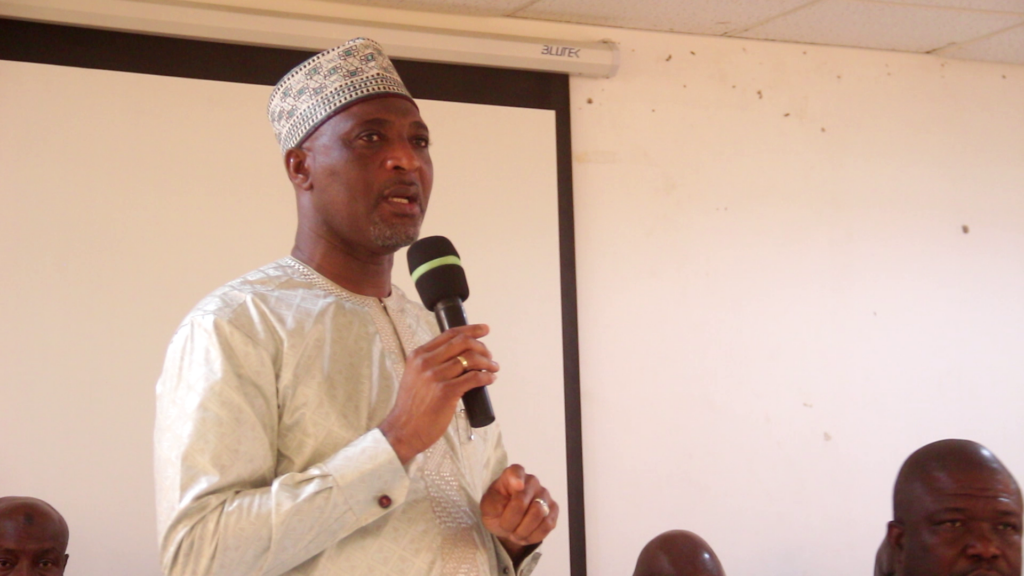
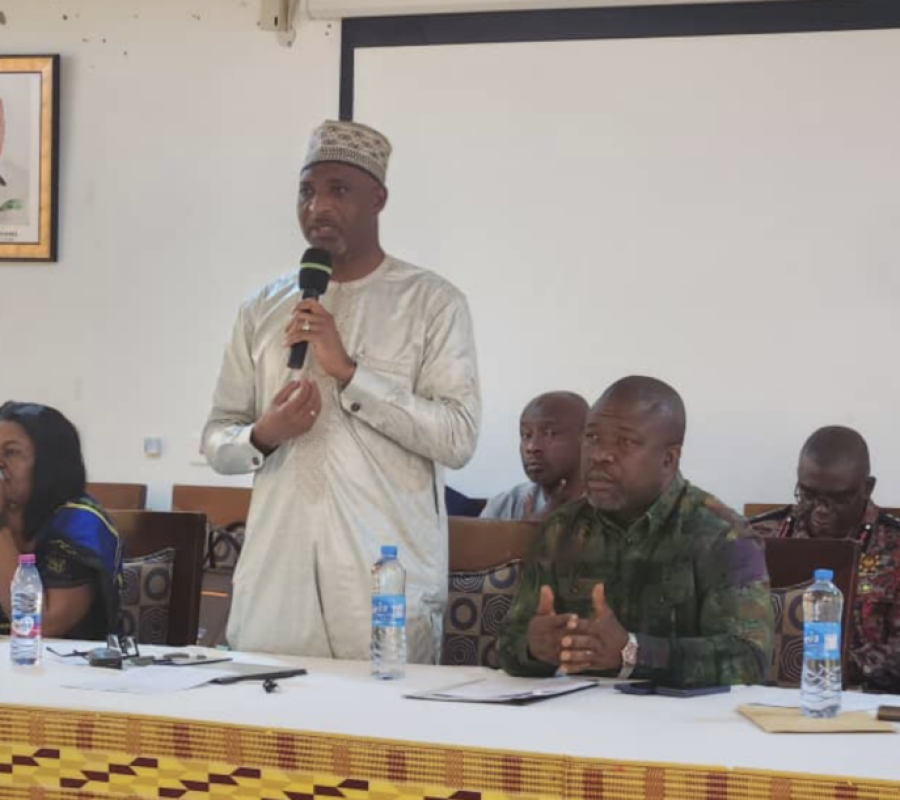
Interior Minister Muntaka Mohammed-Mubarak has sounded the alarm over what he describes as an alarming rate of drug use across Ghana, calling for a coordinated national response to a crisis that threatens to undermine public health, security, and the country’s social fabric. His warning adds a new dimension to the government’s security agenda, shifting some of the focus from external threats to the internal menace of substance abuse.
The Minister’s concerns are not unfounded. Across Ghana’s urban centres and increasingly in rural communities, drug use has become a visible and growing problem. From the proliferation of synthetic substances in nightclubs to the traditional abuse of cannabis and the more recent emergence of tramadol dependency among young people, the landscape of drug use in the country has shifted dramatically in the past decade.
What makes the current situation particularly alarming is the demographic profile of those most affected. Young people—the very population Ghana is counting on to drive its economic transformation—are disproportionately represented among drug users. The implications for workforce productivity, mental health, and crime rates are staggering. A generation lost to substance abuse would set back the country’s development trajectory by decades.
Interior Minister Muntaka Mohammed-Mubarak has framed the issue not merely as a law enforcement challenge but as a public health emergency that demands a multi-faceted response. While cracking down on drug trafficking networks remains essential, he has emphasised the need for prevention programmes, rehabilitation facilities, and community-based interventions that address the root causes of drug use—poverty, unemployment, and lack of opportunity.
Ghana’s Narcotics Control Commission has long struggled with limited resources and institutional capacity. The agency, tasked with coordinating the country’s anti-drug efforts, has been hampered by inadequate funding and a legal framework that critics argue prioritises punishment over treatment. The Minister’s public acknowledgement of the crisis could serve as a catalyst for reform, potentially unlocking the political will needed to strengthen the commission’s mandate and resources.
The drug crisis also has a security dimension that extends beyond Ghana’s borders. West Africa has become a major transit hub for cocaine and heroin destined for European markets, and Ghana’s geographic position makes it a natural waypoint for traffickers. The domestic drug use problem, while distinct from the transit trade, feeds off the same networks and creates a permissive environment that trafficking organisations exploit.
Communities across the country have been grappling with the consequences of rising drug use for years, often without adequate support from the state. Chiefs, religious leaders, and civil society organisations have stepped into the breach, running informal rehabilitation programmes and awareness campaigns. But their efforts, however commendable, cannot substitute for a comprehensive national strategy backed by government resources and political commitment.
The Minister’s intervention is a reminder that Ghana’s security challenges are not limited to the borderlands or the political arena. They are also found in the alleyways of Accra’s suburbs, the market towns of the Ashanti Region, and the fishing communities along the coast. Addressing them will require the same seriousness and resources that the government brings to more conventional security threats. The question is whether this moment of candour will translate into sustained action.
Image Source: MYJOYONLINE