Ghana-South Africa Relations Remain Intact Despite Xenophobic Attacks – Mahama
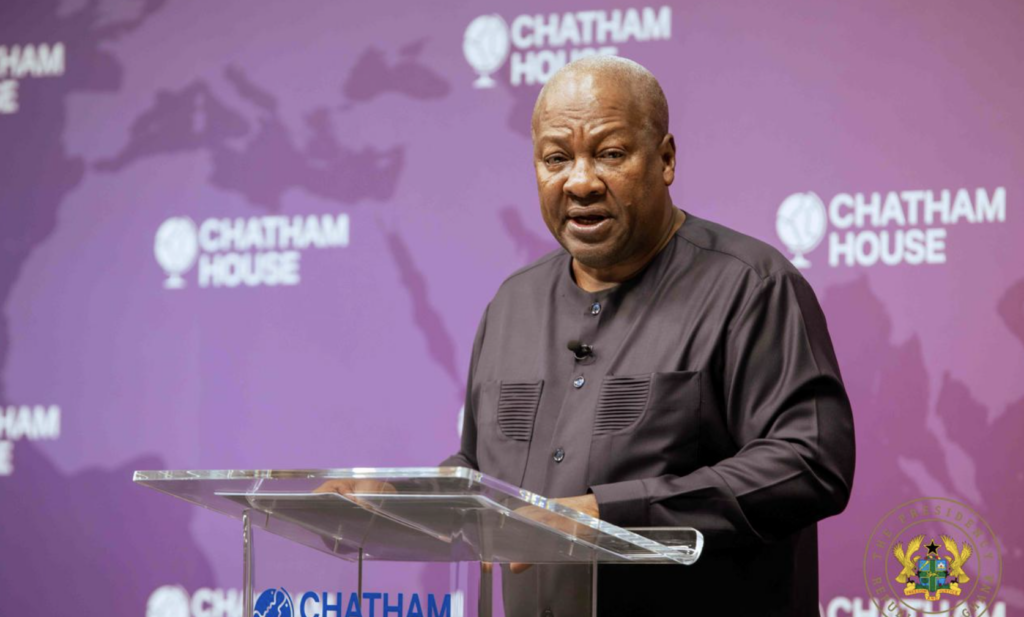
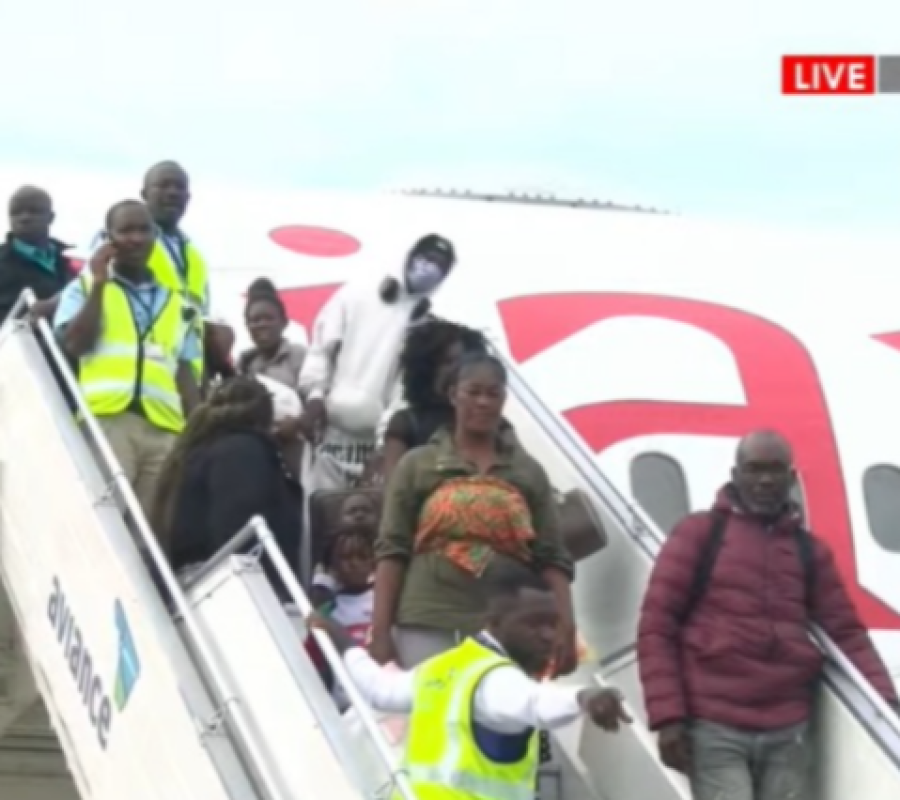
President John Dramani Mahama has moved to reassure Ghanaians and the broader African community that Ghana’s diplomatic relationship with South Africa remains strong, even as xenophobic violence continues to flare in parts of the country. The President’s comments come amid growing concern that repeated attacks on foreign nationals in South Africa could strain ties between the two nations.
Speaking on the matter, Mahama acknowledged the gravity of the xenophobic attacks but stressed that the relationship between Ghana and South Africa is built on a foundation that transcends the actions of a violent minority. He emphasized that both governments share a commitment to addressing the root causes of such violence while maintaining the spirit of Pan-African solidarity that has long characterized their bilateral ties.
The President’s reassurance carries particular weight given Ghana’s historical role as a champion of African unity. In recent months, Mahama has been vocal about the need for African countries to rekindle the flame of Pan-Africanism, arguing that the continent’s nations cannot achieve meaningful progress in isolation. His stance on Ghana-South Africa relations reflects this broader vision—one that prioritizes cooperation over division, even in the face of deeply troubling incidents.
Xenophobic attacks in South Africa have been a recurring problem for more than a decade, often targeting migrants from other African nations who are accused of taking jobs and resources from locals. The violence has drawn widespread condemnation from across the continent, with many African leaders calling on Pretoria to do more to protect foreign nationals residing within its borders.
For Ghana, the relationship with South Africa carries significant economic and diplomatic weight. The two nations are among the continent’s largest economies and have collaborated on numerous fronts, from trade and investment to peacekeeping and regional security. A rupture in these ties would have far-reaching consequences not just for the two countries but for the broader African Union agenda.
Mahama’s approach—keeping diplomatic channels open while publicly acknowledging the problem—reflects a pragmatic balancing act. On one hand, there is genuine anger among Ghanaians over the treatment of their fellow Africans in South Africa. On the other, severing or downgrading diplomatic relations would do little to protect the very people the attacks target and could undermine years of strategic partnership.
The President’s comments also signal Ghana’s intention to play a mediating role in the broader conversation about xenophobia on the continent. By keeping relations intact, Ghana positions itself as a voice of reason—capable of speaking truth to power while maintaining the kind of constructive engagement that can lead to real change.
Critics, however, argue that diplomatic niceties should not be allowed to mask the severity of the situation. They point to the fact that repeated expressions of concern have done little to stem the tide of violence and that stronger action—from both South Africa and the African Union—is needed to send a clear message that xenophobic attacks will not be tolerated.
As the continent watches how South Africa responds to the latest round of violence, Mahama’s message is clear: Ghana will not abandon its commitment to African unity, but neither will it remain silent in the face of injustice. The challenge now is to translate that commitment into concrete action that protects the most vulnerable while preserving the bonds that hold the continent together.
Image Source: MYJOYONLINE