Ghana Is Open for Business, Finance Minister Tells London Diaspora
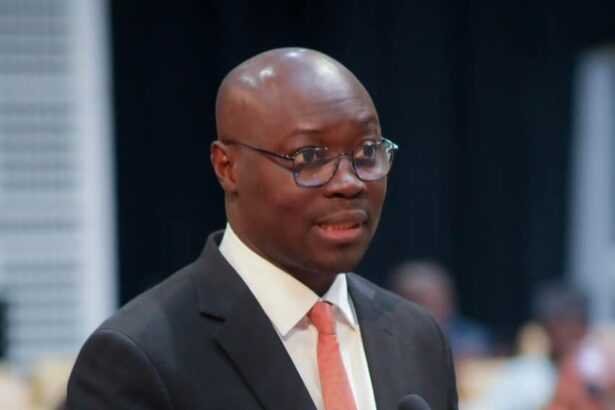
Dr Cassiel Ato Baah Forson, Ghana’s Minister of Finance, has issued a direct appeal to investors and Ghanaians in the diaspora, declaring the economy is back on track and open for business.
“Ghana is open for business. We welcome you. Come home and contribute,” Dr Forson told a packed audience during President John Dramani Mahama’s town hall engagement in London with diaspora Ghanaians living in the United Kingdom. The event formed part of the President’s five-day official visit to the UK.
An Economy on the Rebound
The Finance Minister painted a picture of an economy that has emerged from one of its worst crises in living memory. Recounting the devastation of 2022, he described a period of profound economic trauma.
“I do not recall that our country had ever gone through such a level of economic crisis. The scale of the crisis was profound. It was extremely traumatic, if not distressful,” he said. “Our currency, the Ghana cedi, came under intense pressure. It nearly lost its value. Inflation rose to painful levels. Investor confidence deteriorated very sharply.”
He traced the cascade of credit downgrades that followed: Moody’s dropped Ghana to CAA1 in February 2022, S&P downgraded to CCC+ in August, and Fitch moved the country to double-C by September. Ghana lost access to international capital markets entirely by October 2022, with eurobond spreads widening to over 3,400 basis points. Even the Ghana Cocoa Board was unable to secure a syndicated loan for the first time in over 33 years.
The Recovery Story
The numbers Dr Forson presented told a story of significant recovery. GDP growth reached six per cent in 2025, with non-oil GDP growth hitting 7.6 per cent — the highest in 14 years. Ghana’s economy crossed the $100 billion threshold for the first time, making it the eighth largest economy in Africa, with GDP per capita reaching $3,385.
On fiscal discipline, the Minister reported that Ghana’s debt-to-GDP ratio had declined to 44.7 per cent, well ahead of the IMF’s original 2034 target. Debt had moved from unsustainable to high risk and finally to moderate risk of distress. Inflation fell from 23.8 per cent in December 2024 to 3.4 per cent by April 2026.
Borrowing costs have plummeted. The 91-day Treasury bill rate declined by 2,300 basis points, from 28.4 per cent to 4.8 per cent by April 2026. Two-year, three-year, and five-year bonds are now trading in the 11 to 12 per cent range, compared to 25 per cent in previous years. The Bank of Ghana’s Monetary Policy Rate has fallen by 1,300 basis points, from 27 per cent to 14 per cent.
The current account balance recorded a surplus of 8.3 per cent of GDP in 2025, with projections of double-digit surplus — 10 per cent or more — by the end of 2026.
Diaspora as Strategic Partners
Dr Forson was emphatic about the role Ghanaians abroad play in the country’s economic recovery. The Bank of Ghana Governor, he revealed, had informed him that remittances from the diaspora exceeded $7 billion last year.
The Central Bank, he said, intends to work with the Ministry of Finance to ensure that diaspora remittances more effectively support the balance of payments. The message was clear: the government sees Ghanaians abroad not merely as a source of foreign exchange, but as strategic partners in national development.
“And so, we see you as an important partner. We see you as our brothers and sisters in the diaspora. And you still have a role to play in the nation building,” the Minister said, adding that he and Roads Minister Kwami Agbodza had themselves once been members of the London diaspora before returning to serve.
The appeal came alongside broader investment infrastructure that the Mahama administration has been showcasing during the UK visit, including significant commitments in roads, railways, and ports that form part of a $10 billion infrastructure programme. The £101 million UK-backed investment in the Takoradi dry dock project, announced at the Ghana-UK Investment Summit, exemplifies the scale of international partnerships the government is courting.
Yet sceptics will note that headline economic figures do not always translate into lived reality for ordinary Ghanaians. The true test of whether Ghana is genuinely “open for business” will lie not in conference halls abroad but in the experience of those trying to do business at home — the regulatory environment, the cost of capital, the reliability of power supply, and the ease of moving goods across borders. That remains the unfinished chapter of Ghana’s economic recovery story.
Image Source: GHANA BUSINESS NEWS