Health Ministry, Parliament and UNFPA Wage War Against Silent Epidemic of Obstetric Fistula
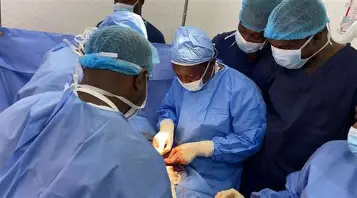
Of the 3,688 women diagnosed with obstetric fistula in Ghana between 2016 and 2025, only 1,096 — fewer than one in three — received surgical repair. The remaining 2,592 continue to live with a condition that causes continuous leakage of urine or stool, often leading to severe social stigma, psychological trauma, and isolation from their families and communities.
The figures, drawn from health facility records across the country, have prompted an unusual alliance: the Ministry of Health, Parliament, and the United Nations Population Fund (UNFPA) have jointly declared war on what they describe as a “silent epidemic” — a preventable tragedy rooted in inadequate access to emergency obstetric care.
A Hidden Crisis in Maternal Health
Obstetric fistula is a childbirth injury that disproportionately affects women in underserved communities, where delays in reaching a health facility during prolonged or obstructed labour can result in tissue damage. Despite being largely preventable through timely caesarean sections, the condition continues to claim new victims. UNFPA Country Representative Dr Wilfred Ochan cited a study conducted between January and February 2025 estimating that between 700 and 1,300 women develop fistula annually in Ghana, with an average of approximately 845 cases each year.
“For UNFPA, we came for two reasons: to empathise with the survivors and to encourage the caregivers for the important role they play in restoring dignity, giving hope, and opening new opportunities for these women who have been neglected,” Dr Ochan said.
Building Centres of Excellence
Deputy Minister of Health Dr Grace Ayensu-Danquah announced plans to establish dedicated, standalone obstetric fistula treatment centres across the country. She described the current system as fragmented, requiring patients to navigate multiple facilities for different stages of care — a process that is especially burdensome for women already suffering from the physical and emotional toll of the condition.
“Imagine us, who are healthy, walking through all these spaces to get a specific kind of treatment, and now transpose that to somebody who’s not healthy. It’s going to be very difficult,” she said.
The ministry is working with UNFPA to replicate the Yendi model, where a standalone centre has already been established with dedicated pre-operative, post-operative, and accommodation facilities. Dr Ayensu-Danquah expressed optimism that, in partnership with UNFPA and Komfo Anokye Teaching Hospital, Ghana could establish a centre of excellence for fistula treatment in the near future. She added that efforts are underway to train more healthcare workers, upgrade equipment, and expand specialist capacity nationwide.
Parliament Steps In
The legislative arm of government has also entered the fight. This multi-stakeholder approach mirrors efforts seen in campaigns for sustainable healthcare financing that have gained momentum in recent months. The Parliamentary Caucus on Population and Development, led by Patricia Appiagyei, and the Parliamentary Select Committee on Health, chaired by Dr Mark Kurt Nawaane, pledged strong support for intensified action.
Ms Appiagyei stressed the urgency of meeting the global 2030 elimination target. “The dates are very short. We are talking about 2030. I believe with some acceleration in the policies or interventions that we will churn out there will help,” she said.
Lawmakers called for the establishment of a dedicated national unit to coordinate fistula elimination efforts, arguing that a centralised approach would improve efficiency and accelerate progress. The campaign against obstetric fistula has, until now, struggled for visibility. With the combined weight of the health ministry, parliament, and an international agency behind it, there is cautious hope that Ghana can close the treatment gap and restore dignity to thousands of women who have waited too long for care.
Image Source: MYJOYONLINE