Let There Be Light: Jubilation in Wa West as Tindoma and Welteng Communities Connect to National Grid
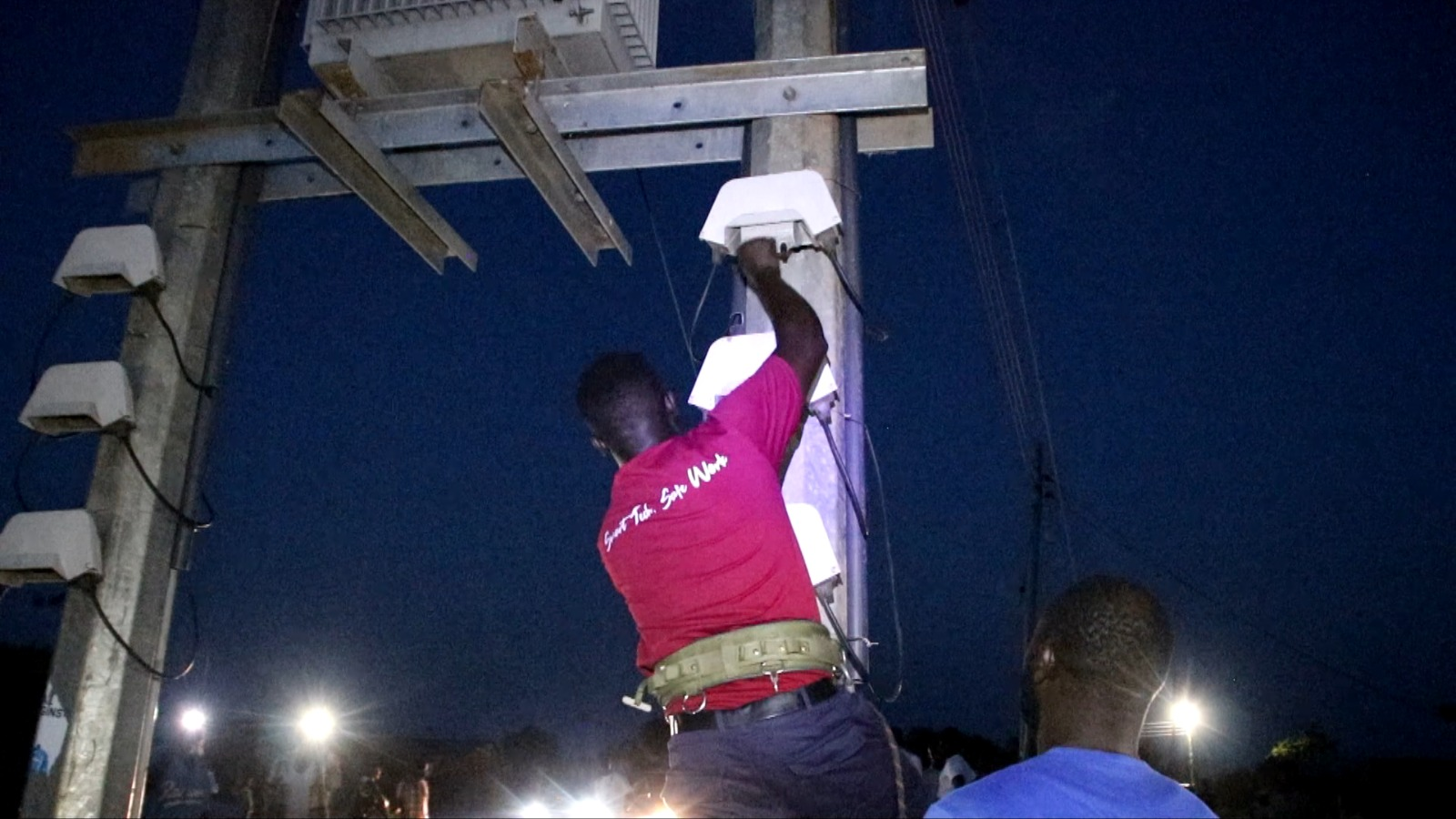
For years, the people of Tindoma and Welteng in the Wa West District lived in near-total darkness — charging mobile phones in neighbouring towns, studying by flickering lantern light, and watching their local economy stall for lack of basic power. Last week, that chapter closed with a celebration befitting its significance, as the Upper West Regional Minister, the local Member of Parliament, and the District Chief Executive gathered to officially commission a rural electrification project that had stalled for more than four years.
The project, originally initiated in 2020 under the Northern Development Authority, was one of several “legacy projects” that the current administration has moved to complete. Speaking at the commissioning, District Chief Executive Richard Wullo credited President John Dramani Mahama with directing that all unfinished rural infrastructure projects be prioritised and delivered.
Electricity as a Catalyst for Development
Upper West Regional Minister Charles Lwanga Puozuing framed the commissioning within a broader ambition: raising the region’s rural electrification coverage from 87 per cent to well above 90 per cent. He cautioned residents, however, against illegal power connections, warning that overloading local transformers could plunge the entire community back into darkness. Prepaid metres and proper channels, he stressed, were essential to protecting the new infrastructure.
Member of Parliament for Wa West, retired Superintendent Peter Lanchene Toobu, offered a candid account of the difficult choices the district assembly faced. With limited funds and multiple communities in need, the assembly under DCE Richard Wullo decided to prioritise Tindoma — a decision Mr Toobu said he endorsed wholeheartedly.
“Let there be light,” Mr Toobu declared, invoking a biblical parallel that drew cheers from the crowd. He challenged local youth to seize the opportunity that electricity now provides. “The young men and women in Tindoma who come from school at night and cannot even study: you have a better opportunity to sit with your books. And if you don’t do well, don’t blame your father.”
Transforming Daily Life
For residents, the impact is immediate and deeply personal. Michael, a long-time community member, described the hardships of life without power. “Before, you have to be like a blind man,” he said. He recounted how families would travel to neighbouring towns just to charge their phones, sometimes going an entire week without communication. The arrival of electricity, he said, would transform local businesses and give students the ability to study after dark.
The Chief of Tindoma, Naa Porikabo Dendoee, expressed gratitude on behalf of the community and extended a message of reassurance to neighbouring villages still awaiting connection. “The electricity is for all of them, and once Tindoma has gotten it, they will also get theirs,” he said.
The regional minister pledged to personally provide five streetlights each to Tindoma and Welteng, while a traditional smock — symbolising light, progress, and development — was presented to him on behalf of the community.
The electrification of Tindoma and Welteng is a reminder that for many rural Ghanaians, access to power remains a defining measure of progress — part of the same infrastructure push that has seen Ghana accelerate investment in roads, railways and ports. Each new connection reshapes daily life, unlocking educational and economic possibilities that their urban counterparts take for granted.
Image Source: MYJOYONLINE