St. Elizabeth Hospital Launches Fundraising Drive for Emergency Ward Expansion and Modern Equipment
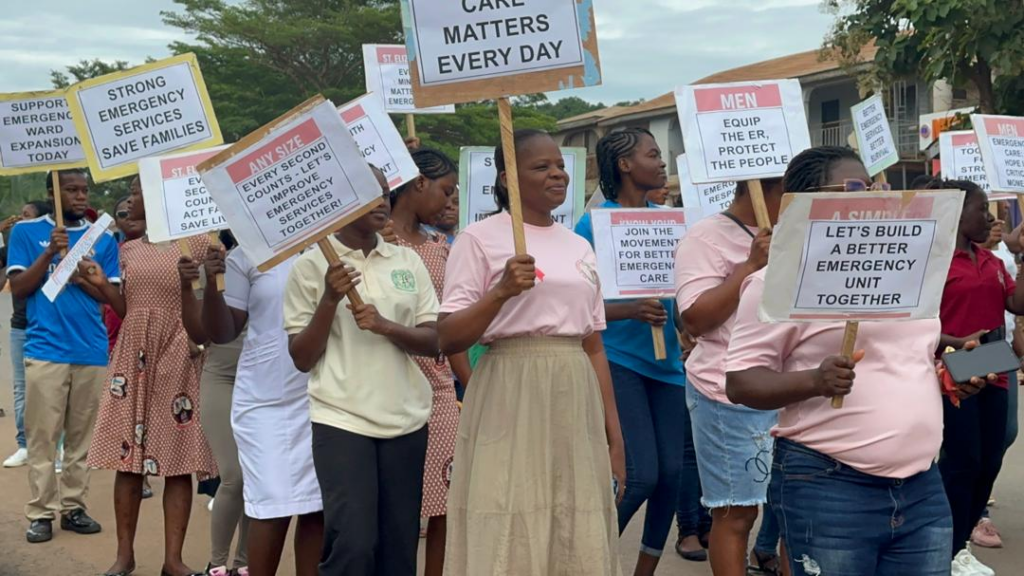
The 70-year-old St. Elizabeth Hospital at Hwediem in the Asutifi South District of the Ahafo Region has launched a major fundraising campaign to expand its overstretched emergency ward and replace obsolete medical equipment, a move that underscores the acute infrastructure challenges facing healthcare delivery in rural Ghana.
The hospital, which has served communities across the Ahafo Region and beyond for seven decades, is seeking to raise funds to modernise its emergency department — a facility that current staff say has struggled to keep pace with rising patient numbers and increasingly complex medical cases.
For a hospital that has been a lifeline for communities in one of Ghana’s more remote regions, the fundraising drive is both an acknowledgement of the facility’s limitations and a testament to its enduring importance. St. Elizabeth Hospital has long been the first point of contact for emergency cases in the area, handling everything from road traffic injuries to obstetric emergencies.
The campaign reflects a broader pattern across Ghana’s healthcare landscape. While the government has made significant strides in expanding access to primary healthcare through the free primary healthcare initiative, specialist and emergency facilities in many parts of the country remain woefully under-resourced. The gap between urban and rural healthcare infrastructure continues to widen, with rural facilities often relying on decades-old equipment that would have been decommissioned in better-resourced settings.
Healthcare infrastructure investment has been a growing priority for the government. The Ministry of Health recently received a donation of advanced bedside pulse oximeters valued at more than $100,000 to bolster the free primary healthcare programme, reflecting a recognition that even basic diagnostic equipment remains scarce in many facilities across the country.
The St. Elizabeth Hospital fundraising campaign is expected to attract support from a range of sources, including the Catholic Church, which has historically played a significant role in healthcare delivery across Ghana, as well as corporate sponsors, diaspora communities and international development partners.
For the communities served by the hospital, the stakes could not be higher. An expanded and modernised emergency ward would mean faster response times for critical cases, reduced referral rates to distant facilities and, ultimately, lives saved. The replacement of obsolete equipment would bring diagnostic capabilities in line with contemporary standards, enabling medical staff to provide care that matches the complexity of the cases they encounter.
The fundraising drive also highlights the growing recognition that Ghana’s healthcare modernisation cannot be achieved through government action alone. Public-private partnerships, community fundraising and diaspora contributions all have a role to play in bridging the financing gap that separates the country’s healthcare ambitions from its current reality.
As the campaign gets underway, the leadership of St. Elizabeth Hospital is calling on all stakeholders — government, the private sector, civil society and individuals — to contribute to a project that will shape healthcare delivery in the Ahafo Region for generations to come.
Image Source: MYJOYONLINE