Rent Controls Will Not Solve Ghana’s Campus Accommodation Crisis
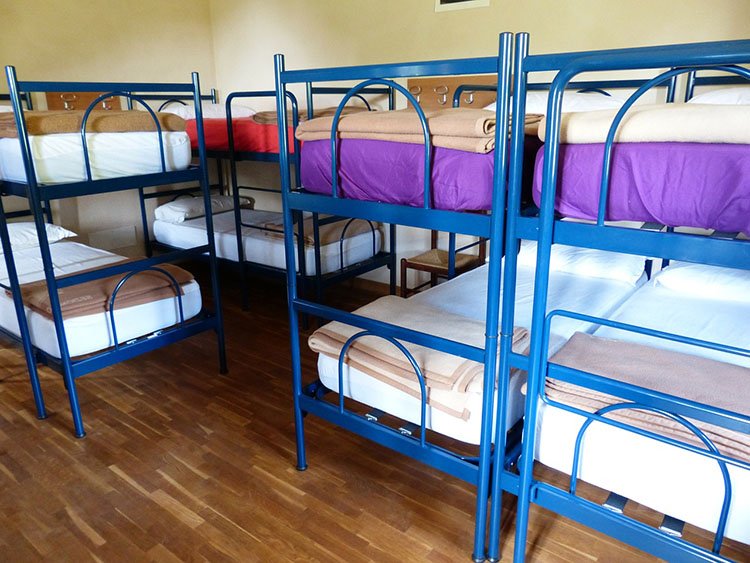
The suggestion by Ghana’s acting Rent Commissioner that hostel owners on university campuses are exploiting students has reignited a debate that has simmered since the late 1990s: how to house the country’s rapidly growing tertiary student population. But while the concern about affordability is understandable, imposing rent controls would be a counterproductive remedy that risks worsening the very problem it seeks to solve.
The roots of the accommodation crisis lie not in landlord greed but in the state’s chronic failure to expand campus infrastructure in step with surging enrolment. At the University of Ghana’s Legon campus, for example, student numbers climbed from roughly 23,000 in 2012 to approximately 59,000 in 2024 — yet the government added virtually no new beds to the existing traditional halls of residence during that period. The gap has been filled almost entirely by private investors who, unlike the state, need to earn a return on their capital.
Construction costs in Ghana have risen faster than general inflation over the past two decades, according to data from the Ghana Statistical Service. Anyone who builds a hostel today faces steep upfront expenses — land, materials, labour, regulatory compliance — that inevitably shape what they must charge to break even, let alone profit. Dismissing these realities as exploitation does a disservice to a complex economic problem.
The global evidence on rent controls is unambiguous. While price caps can produce short-term relief for sitting tenants, they reliably lead to reduced supply, deteriorating quality, and the emergence of informal black markets. Cities from Stockholm to San Francisco have learned this lesson at great cost. Applying the same approach to Ghana’s university campuses would deter precisely the private investment the sector desperately needs.
A more constructive path lies in expanding supply at lower cost. The government could offer targeted tax waivers at different stages of the hostel construction value chain — on imported building materials, for instance, or on property taxes for a defined period after completion. University authorities, for their part, could reduce the cost of land allocated to hostel developers. In return, investors who benefit from these incentives would agree to keep rents at pre-negotiated levels, including caps on future increases.
This kind of incentive-driven model aligns the interests of all parties: students gain access to more affordable rooms, investors earn a reasonable return, and the government avoids the distortions that come with heavy-handed price controls.
The Ministry of Education, the Ghana Tertiary Education Commission, GETFund, university administrators, private developers, and civil society organisations all have a role to play. What is needed is not a blame game but a collaborative framework that recognises the era of free state-provided student housing is over and that the new reality of private-sector-led accommodation requires smart policy, not blunt regulation.
The campus housing debate is ultimately about more than hostel rents. It is about whether Ghana can match its ambitions for mass tertiary education with the physical infrastructure to support it. Rent controls, however politically appealing, are not the answer.
Image Source: MYJOYONLINE