Fire Service Calls for Safety Education in Schools to Build Prevention Culture Among Young Ghanaians
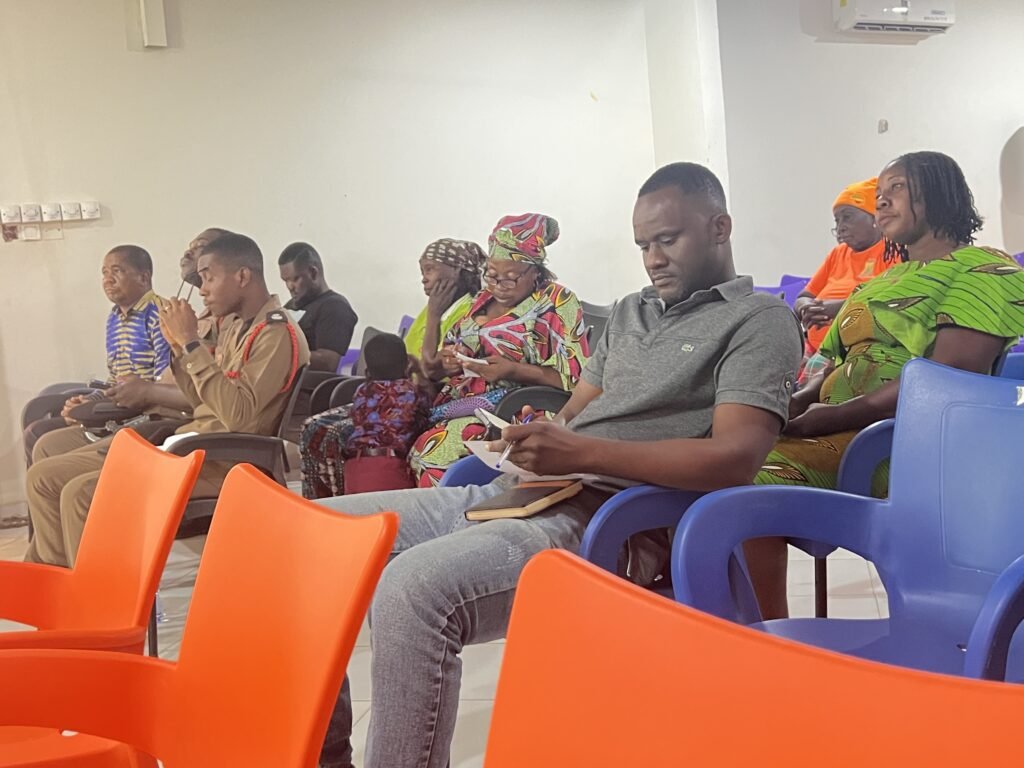
The Ghana National Fire Service is pushing for a formal partnership with education authorities and local assemblies to embed fire safety education in the country’s school curriculum, arguing that building a culture of prevention among young people is the most effective long-term strategy for reducing fire-related deaths and property losses.
Divisional Officer II Ebenezer Yenzu, the Tema Regional Public Relations Officer of the GNFS, said the initiative recognises that Ghana’s fire safety challenges will not be solved by emergency response alone. Schools, he argued, offer the best platform for instilling safety habits early, before dangerous behaviours become entrenched.
“If we can reach children at the basic school level and teach them what causes fires, how to prevent them and what to do when they occur, we will be building a generation that takes safety seriously,” Yenzu said. “That is far more effective than trying to change adult behaviour after the fact.”
The proposal comes against a backdrop of recurring fire incidents across the country that have exposed both infrastructure gaps and a widespread lack of basic safety awareness. The GNFS in the Tema Region has been sounding alarms about its operational capacity, with ageing fire tenders and missing hydrants threatening the region’s ability to respond to emergencies effectively. Earlier warnings about the Kpone industrial enclave highlighted how fire safety lapses in critical infrastructure could have consequences far beyond the immediate damage.
A Prevention-First Approach
The GNFS’ proposal reflects a broader shift in thinking within the service—away from a purely reactive posture and towards prevention as a strategic priority. Rather than relying solely on fire trucks and response times, the service wants to reduce the number of fires that start in the first place.
Yenzu said the GNFS is seeking collaboration with the Ghana Education Service, the Ministry of Education and metropolitan, municipal and district assemblies to develop age-appropriate fire safety materials and training programmes for schools across the country.
The proposed curriculum would cover the common causes of domestic fires—electrical faults, unattended cooking, improper storage of flammable materials and bush burning—as well as practical skills such as how to use a fire extinguisher, when to evacuate and how to raise the alarm.
Tema as a Test Case
The Tema Region, with its mix of heavy industry, dense residential areas and ageing infrastructure, presents both a significant challenge and a useful testing ground for the initiative. Fires in the area have ranged from industrial blazes at the Kpone enclave to domestic incidents in densely populated neighbourhoods where narrow access roads and the absence of fire hydrants make firefighting exceptionally difficult.
Yenzu noted that many of the fires the service responds to could have been prevented with basic awareness. Cooking left unattended, overloaded electrical circuits and the storage of petrol in homes remain among the leading causes of domestic fires, he said—all situations where education could make a measurable difference.
Building Long-Term Capacity
The GNFS’ call for school-based safety education is part of a wider conversation about how Ghana builds resilience against fire hazards. While the service continues to advocate for better equipment, more hydrants and improved training for its personnel, it recognises that these investments take time to materialise. Education, by contrast, can begin almost immediately and at relatively low cost.
There is also an economic argument. Fire destroys homes, businesses, crops and public infrastructure, imposing costs on communities that can least afford them. A prevention culture, the GNFS argues, would reduce those losses over time, freeing up resources for development rather than recovery.
The challenge now is turning the proposal into a functioning programme. That will require political will from education authorities, funding for materials and training, and sustained engagement with schools that are already stretched by competing demands on their time and budgets. Whether the GNFS can build the partnerships needed to make fire safety education a reality in Ghana’s classrooms remains to be seen, but the logic behind the push is difficult to argue with.
Image Source: GHANAMMA