Germany's Chemical Industry Sees Short-Lived Bump as Iran War Triggers Industrial Stockpiling
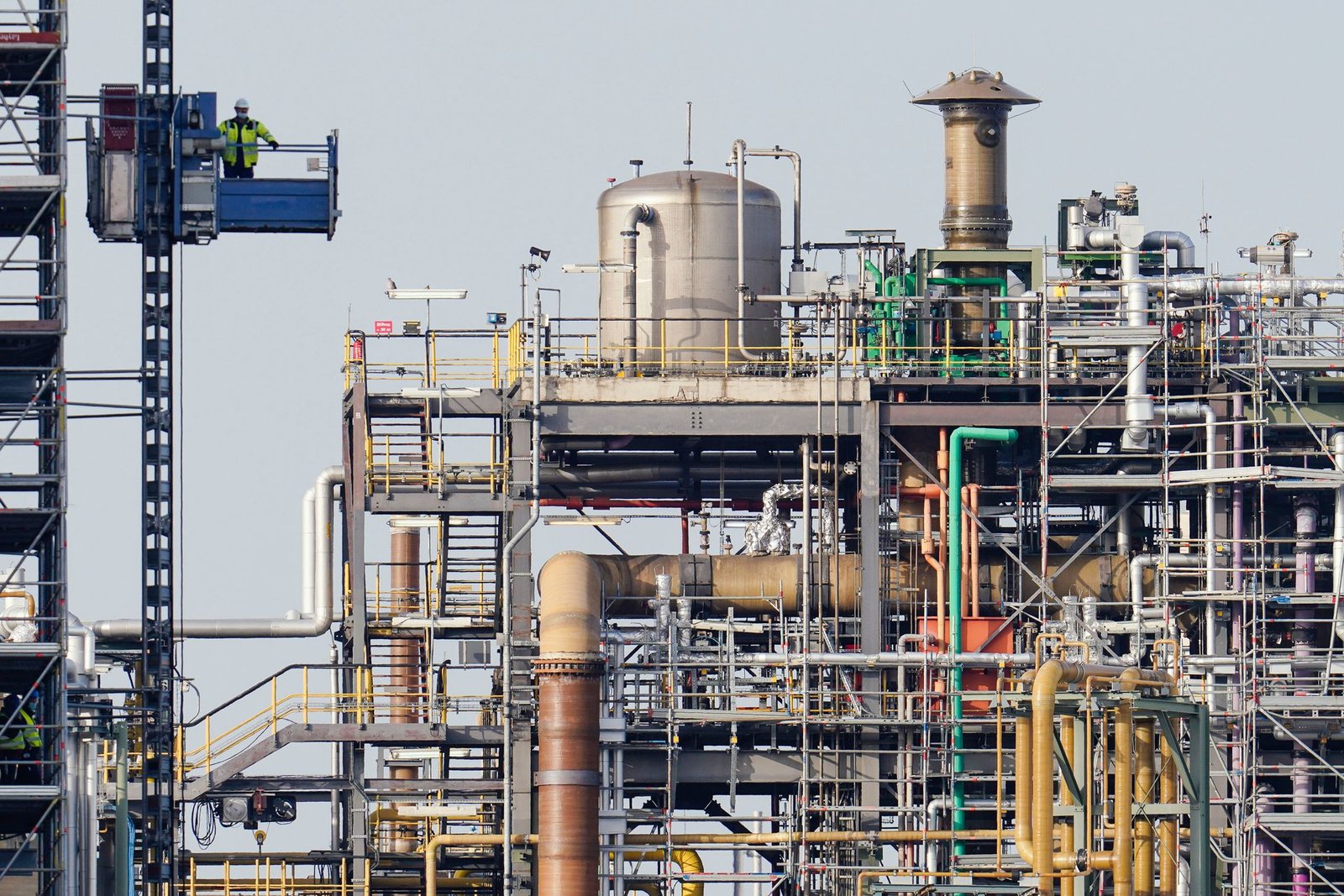
Germany’s ailing chemical industry has received an unexpected, if unwelcome, boost from the war in Iran. Industrial customers, spooked by the prospect of supply disruptions in the Gulf, have been stockpiling chemicals and raw materials in a wave of precautionary buying that lifted production and sales in the first quarter of 2026.
According to the German Chemical Industry Association (VCI), production and sales each rose 2 per cent in the first quarter compared to the final quarter of 2025, with revenue increasing across all segments—basic chemicals, specialty chemicals, petrochemicals, and personal care products. Seasonally adjusted sales in the chemicals and pharmaceuticals segment rose 2.1 per cent quarter-on-quarter to nearly €51 billion ($59.4 billion), while plant utilisation ticked upward from historically low levels.
But the industry’s leading figures are under no illusion about what these numbers represent. Wolfgang Grosse Entrup, VCI director general, was blunt in his assessment: “We are not seeing a mood of optimism, but geopolitical hoarding. This is a panic-driven temporary peak from which parts of the chemical industry are benefiting in the short term.”
The distinction matters. Germany’s chemical sector, the country’s third-largest industrial sector after automotive manufacturing and mechanical engineering, has been in structural decline for years. Production and sales remain far below year-earlier levels, and the pharmaceutical segment—which had benefited in 2025 from front-loading effects related to the tariff dispute with the United States—has since weakened. The association expects overall industry production to decline this year.
The pattern is familiar from other geopolitical crises. When supply chains face the threat of disruption, downstream manufacturers rush to build inventory, creating a short-lived demand spike that flatters quarterly results but does nothing to address underlying structural weakness. Germany’s chemical industry faces the same headwinds that have been eroding its competitiveness for years: high energy costs, burdensome regulation, and intensifying competition from producers in Asia and the Middle East.
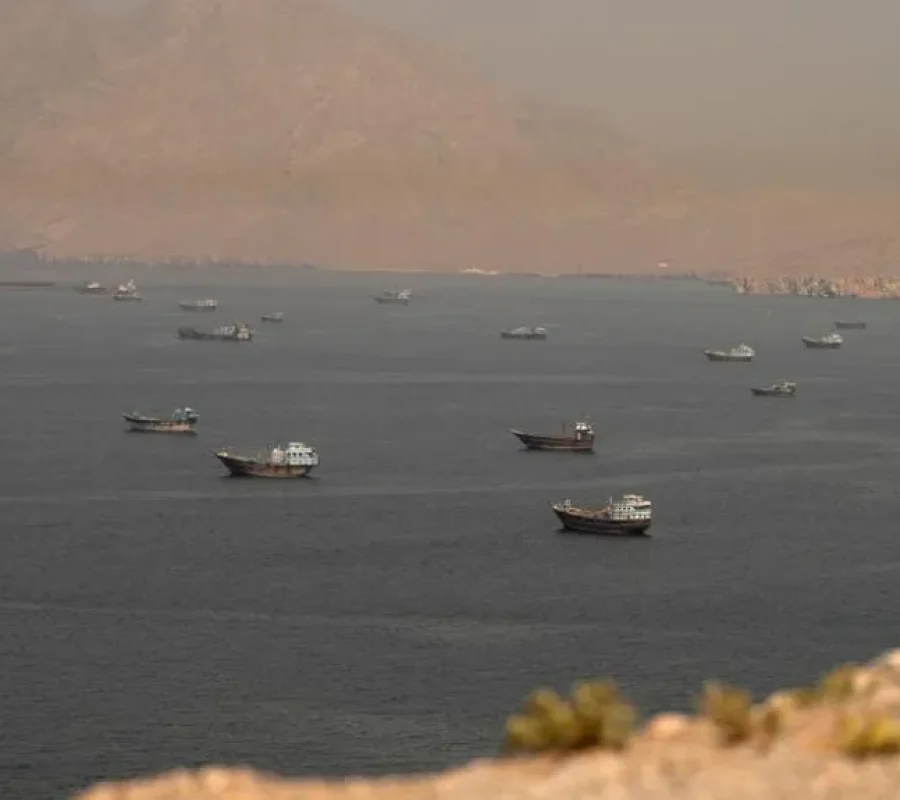
The Iran conflict has introduced a new layer of uncertainty into an already fragile outlook. The Gulf region is a critical artery for global petrochemical supply chains, and any sustained disruption to shipping through the Strait of Hormuz would have cascading effects on chemical feedstock availability and pricing worldwide. For German chemical producers, the war creates both risk and opportunity—risk that their own supply chains could be disrupted, and opportunity to capture orders from customers seeking alternatives to Gulf-dependent suppliers.
The geopolitical dimensions of industrial strategy have become increasingly pronounced in recent months. South Africa’s deepening ties with Iran, for instance, have unsettled potential investors even as the country courts Gulf capital, illustrating how the Iran conflict is reshaping investment calculations across continents. Similarly, commodity markets more broadly continue to feel the effects of geopolitical uncertainty, as evidenced by the mixed pricing signals in Ghana’s fuel market heading into June.
For Germany, the question is not whether the stockpiling-driven bump will fade—it almost certainly will—but whether the country’s chemical industry can use the breathing room to address the structural challenges that have left it increasingly uncompetitive on the global stage. High energy costs, a slow transition to sustainable feedstocks, and regulatory complexity remain the fundamental obstacles, and none of them will be solved by a quarter of panic buying.
The VCI’s expectation of a production decline for the full year is a sobering reminder that short-term demand spikes driven by geopolitical anxiety are no substitute for genuine industrial competitiveness. Germany’s chemical industry needs investment, reform, and strategic clarity—none of which a distant war can provide.
Image Source: GHANA BUSINESS NEWS