Effia MP Calls for Stronger Public Consultation on Proposed NITA Bill
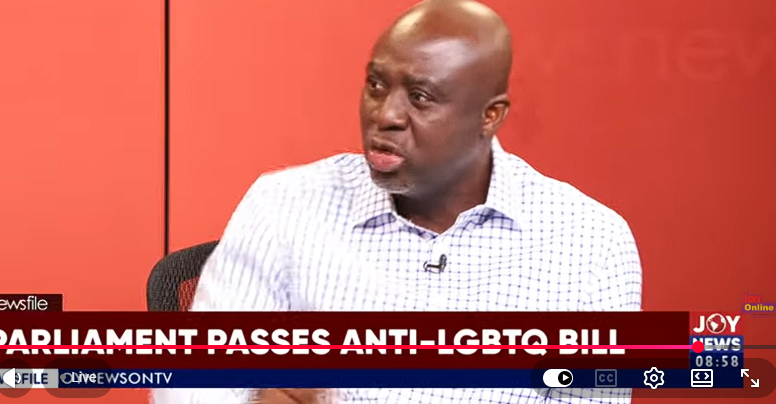
The Member of Parliament for Effia has praised the government’s efforts to engage stakeholders on the proposed National Information Technology Agency Bill, while calling for public consultation to become a standard feature of Ghana’s legislative process.
Isaac Boamah-Nyarko, who also serves on Parliament’s Finance Committee, appeared on JoyNews’ Newsfile on Saturday to discuss the proposed legislation, which has generated significant public debate. The bill seeks to expand NITA’s mandate beyond coordinating ICT development within the public sector to becoming a broader regulator of Ghana’s digital ecosystem.
“Very commendable,” Boamah-Nyarko said of the consultation process. “As much as possible, it should be part and parcel of our culture now. If you want to adopt a bill, ministries introducing legislation should ensure there is adequate consultation.”
The MP’s remarks come at a time when the proposed NITA Bill has drawn criticism from technology consultants and industry players who warn that the legislation could stifle innovation through expansive regulation. A technology consultant recently cautioned lawmakers against passing a bill that would significantly expand NITA’s regulatory reach, arguing that the agency’s traditional role should not be stretched to cover the entire digital ecosystem.
The Rush to Legislate
Boamah-Nyarko expressed concern about what he described as an increasing trend of legislation being passed under certificates of urgency, leaving insufficient time for Parliament, stakeholders, and the public to scrutinise proposed laws.
“When it comes to this government, we are passing bills within 24 hours, and in less than 24 hours we have passed almost all the bills in Parliament that come under certificates of urgency,” he said.
The MP argued that such expedited procedures limit meaningful debate and weaken opportunities for comprehensive stakeholder engagement. Even parliamentary committees, which are tasked with reviewing legislation before it reaches the House, are often constrained by tight timelines.
“In some cases, the bill comes to Parliament, it is referred to a committee, and within 24 hours the committee comes back to Parliament and the bill is passed into law,” he observed.
A Model for Other Ministries
Despite his concerns about the broader legislative process, Boamah-Nyarko maintained that the current consultations surrounding the NITA Bill present a useful example of how government institutions can engage stakeholders before legislation is finalised.
“I think it is very good,” he said. “We can encourage other ministries to do that.”
He suggested that relying solely on stakeholder engagement processes organised by ministries may not always be sufficient, stressing the need for Parliament itself to have adequate time to conduct independent scrutiny and gather broader public input.
The debate over the NITA Bill reflects a broader tension in Ghana’s legislative process between the desire for swift action and the need for thorough democratic deliberation. As the country’s digital economy continues to grow, the regulatory framework that governs it will have lasting consequences for innovation, investment, and the rights of citizens in the digital space.
Image Source: MYJOYONLINE