South Africa Courts Gulf Investment While Its Iran Ties Unsettle Potential Investors
South Africa is pursuing an ambitious and increasingly delicate diplomatic strategy, simultaneously courting billions of dollars in investment from the Gulf monarchies while deepening its military and political ties with Iran — a balancing act that has begun to unsettle the very investors Pretoria is trying to attract.
Over the past year, South African ministers have made multiple tours of the Gulf region, meeting with officials in Saudi Arabia, the United Arab Emirates, and other oil-rich states in a concerted push to secure the foreign capital needed to rescue a stalling economy. The country faces persistent energy shortages, rising unemployment, and sluggish growth, and Gulf sovereign wealth funds represent one of the most promising sources of large-scale investment.
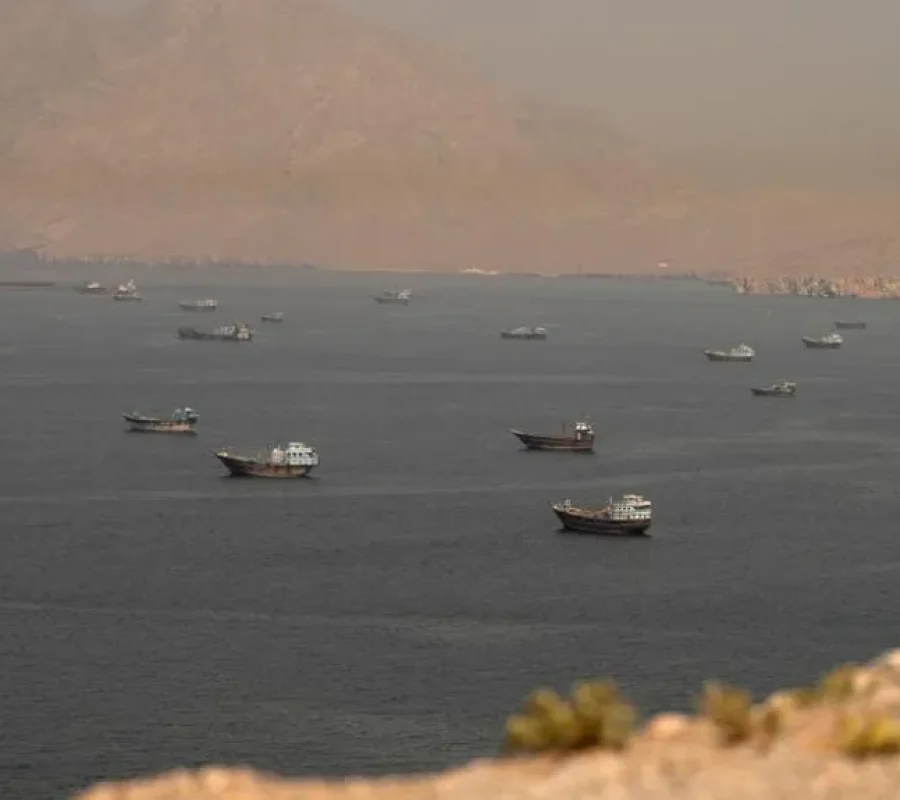
Yet even as these diplomatic overtures have intensified, South Africa has simultaneously deepened its relationship with Tehran. Earlier this year, the South African navy conducted joint naval exercises alongside Iran, a move that sent a clear political signal about where Pretoria sees itself in the broader geopolitical landscape. The exercises were part of a broader pattern of engagement that includes trade discussions and diplomatic exchanges at the highest levels.
The contradiction is not lost on Gulf officials or private investors. Saudi Arabia and the United Arab Emirates view Iran as a primary regional rival, and any country seen to be strengthening ties with Tehran inevitably faces scrutiny from Riyadh and Abu Dhabi. For South Africa, which is seeking to position itself as a bridge between the developing world and global capital markets, the optics of conducting military drills with one potential investor’s chief adversary while asking that same investor for money present a significant challenge.
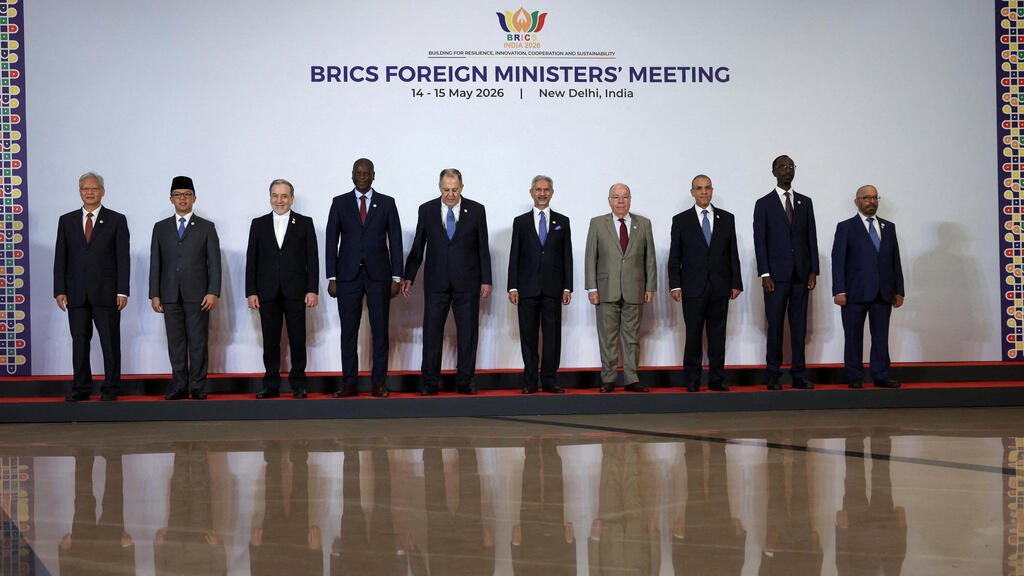
Pretoria’s approach reflects its broader foreign policy philosophy, rooted in the non-aligned tradition that has guided South African diplomacy since the end of apartheid. The country has long resisted pressure to choose sides in global disputes, a stance that has earned it membership in BRICS alongside Brazil, Russia, India, and China, and a reputation for pragmatic engagement with a wide range of partners.
The timing of South Africa’s dual approach is particularly fraught. The Iran nuclear deal is at a critical juncture, with global powers locked in tense negotiations over the terms of any agreement. For Gulf states, any country that appears to be siding with Tehran at this sensitive moment risks being viewed with suspicion, regardless of its stated intentions.
However, pragmatism has its limits when it comes to attracting foreign direct investment. Gulf sovereign wealth funds, which collectively manage trillions of dollars, are sophisticated investors with long memories and acute geopolitical sensitivities. The decision by South Africa to align itself visibly with Iran at a time of heightened tensions in the Middle East raises legitimate questions about whether the country can credibly offer the kind of stable, predictable investment environment that major institutional investors demand.
The United Arab Emirates, in particular, has been a significant source of investment in African infrastructure and real estate in recent years. Abu Dhabi’s sovereign wealth funds have poured billions into projects across the continent, and South Africa has been eager to attract a share of that capital. But the UAE’s leadership has made clear that its investment decisions are influenced by geopolitical alignment, and any country seen to be drifting toward Tehran is likely to face a more cautious approach from Abu Dhabi.
Saudi Arabia, meanwhile, has its own reasons to watch South Africa’s Iran ties closely. Under Crown Prince Mohammed bin Salman, the kingdom has pursued an aggressive economic diversification programme and has been open to investing in emerging markets. But the Saudi leadership remains deeply hostile to Iran, and any suggestion that a potential investment destination is cosying up to Riyadh’s chief regional adversary is unlikely to sit well.
The tension highlights a broader challenge facing many developing nations: how to maintain an independent foreign policy while simultaneously attracting the foreign capital needed to drive economic growth. For South Africa, the stakes are particularly high. The country’s economy has underperformed for years, and the government is under intense domestic pressure to deliver jobs, infrastructure, and growth.
Whether Pretoria can successfully navigate this diplomatic minefield remains to be seen. The country’s officials have expressed confidence that they can maintain productive relationships with all parties, but the early signs suggest that Gulf investors are watching closely and that South Africa’s dual approach may come at a cost it can ill afford.
Image Source: GHANAMMA