Ghana's Gender Minister Urges Sports Bodies to Curb Athlete Trafficking Ahead of FIFA World Cup
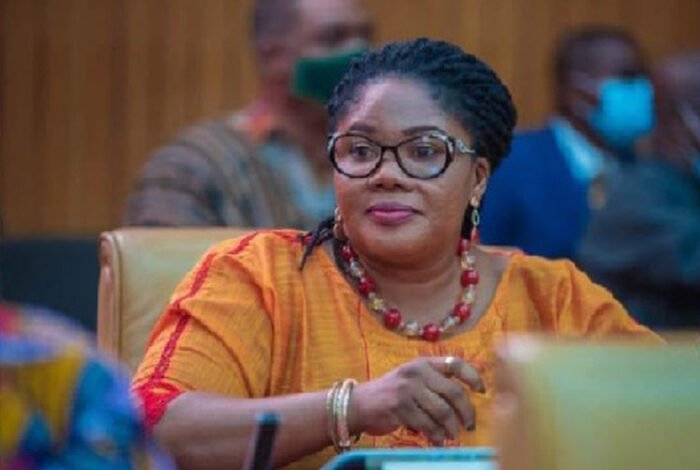
Dr Agnes Naa Momo Lartey, Ghana’s Minister of Gender, Children and Social Protection, has called on sports institutions to tighten their accountability and recruitment standards, warning that criminal networks are exploiting the dreams of young athletes through fake contracts and fraudulent scholarship offers abroad.
Speaking at a media launch to mark the World Day Against Trafficking in Persons, Dr Lartey drew attention to a form of exploitation that operates in plain sight: traffickers who disguise abuse as opportunity, luring vulnerable young Ghanaians into forced labour, irregular migration, and trafficking by manipulating their sporting talent and ambition.
The urgency of her message is amplified by the approaching FIFA World Cup, which has historically been accompanied by a surge in fraudulent sports recruitment schemes. Across multiple countries, criminal networks have capitalised on the global spotlight on football to target young people with promises of trials, contracts, and scholarships that turn out to be fronts for exploitation.
“As the world prepares for major international sporting events, including the upcoming FIFA World Cup, greater attention is being paid to the risk of sports trafficking and the exploitation of young athletes and sporting talent,” Dr Lartey said.
In Ghana, football and athletics continue to represent genuine aspiration for many young people and their families. But that very aspiration creates vulnerability. The gap between the promise of a professional sports career overseas and the limited pathways available domestically makes young athletes susceptible to offers that seem too good to refuse—and often are.
The statistics suggest the problem is not diminishing. Dr Lartey disclosed that victim rescues rose from 821 in 2021 to 846 in 2022, spiked to 2,089 in 2023, dropped to 794 in 2024, then hit a peak of 2,331 in 2025. The sharp increase in 2025, she noted, reflects intensified action against emerging forms of trafficking, including cyber-related trafficking, online exploitation, and romance scam networks.
Madam Fatou Diallo Ndiaye, Chief of Mission for the International Organisation of Migration in Ghana, pointed to a specific structural weakness that enables trafficking: illegal recruitment practices where companies bypass official channels through the relevant government ministries. When recruitment happens outside regulatory oversight, there is no mechanism to verify whether contracts are legitimate or whether working conditions meet basic standards.
The call for accountability extends beyond government. Madam Anita Budu, Country Director for International Justice Mission Ghana, has urged increased funding for anti-trafficking efforts and adequate budgetary allocation to the Human Trafficking Fund. Reverend Helen Adjoa Ntoso, Chairperson of the Parliamentary Select Committee on Gender, Children and Social Welfare, has advocated for a dedicated fund through the District Assembly Common Fund for child protection at the local level.
The theme for this year’s Blue Day—“Human trafficking can end: the time is now. Blow the whistle on sports trafficking”—reflects a growing recognition that sports trafficking is not a peripheral issue but a distinct and expanding form of human exploitation that demands its own prevention strategies.
Dr Lartey’s call for media vigilance is well placed. Journalists who investigate and expose fraudulent recruitment schemes perform a public service that law enforcement alone cannot provide. But prevention ultimately requires young athletes and their families to have access to verified, transparent pathways to legitimate sporting careers—pathways that, in Ghana, remain too few and too difficult to navigate.
Image Source: GHANA BUSINESS NEWS