Ghana Attracts $2.6 Billion in Foreign Direct Investment as Investment Climate Strengthens
Ghana attracted $2.6 billion in foreign direct investment in 2025, a dramatic increase from the $617.61 million recorded the previous year, according to provisional data from the Ghana Investment Promotion Centre. The figures represent the strongest signal yet that investor confidence in the West African economy is rebuilding after years of debt restructuring and macroeconomic turbulence.
The total was drawn from 253 new projects and expansions by existing companies. GIPC-registered new investment projects accounted for $1.44 billion, while existing companies added $14 million in new equity. The Petroleum Commission reported $994 million in new capital investments from 18 projects, and the Ghana Free Zones Authority recorded $165 million from 42 projects.
The Cayman Islands registered the highest FDI value at $500 million, followed by China at $486 million, Nigeria at $105 million, and France at $100 million. By number of projects, China led with 70, followed by India with 22, Nigeria with 10, the United Arab Emirates with nine, and the United Kingdom with eight.
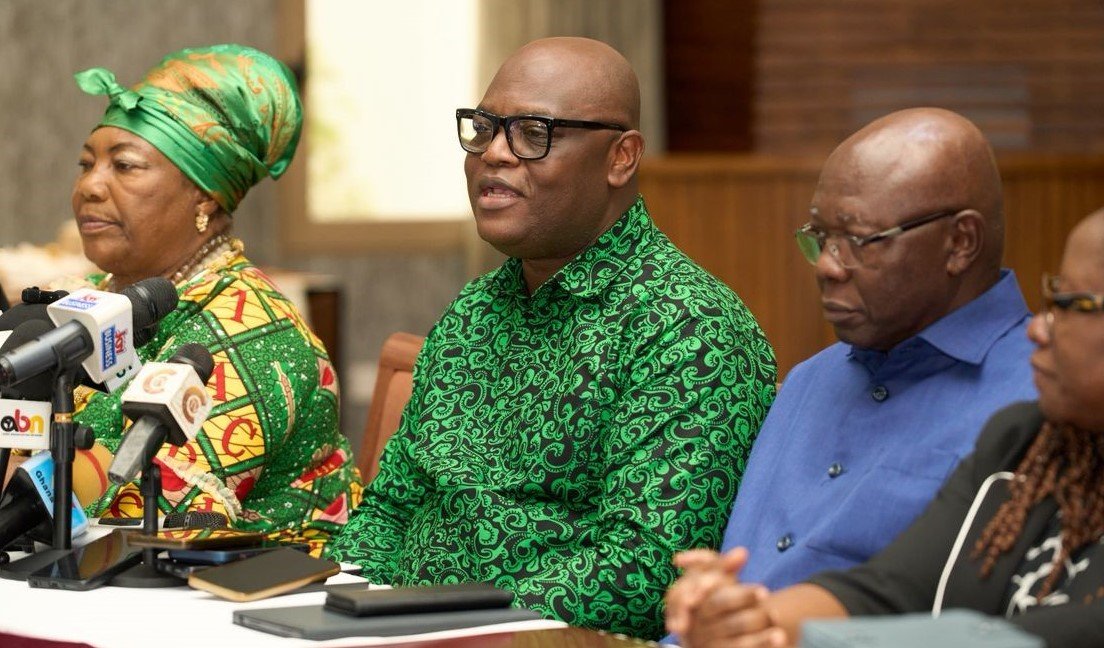
Speaking after a two-day board and management retreat at Peduase, GIPC Chief Executive Simon Madjie said businesses have announced additional commitments to invest over $5 billion in the country over the coming years. He pointed to investment announcements from Jubilee Partners and others in the energy and artificial intelligence sectors as concrete expressions of growing confidence.
“Ghana’s story of economic recovery, macroeconomic stability, a progressive investment law, and a strong brand must be told consistently and confidently to attract the capital the country needs to drive the next phase of its growth,” Mr Madjie said, calling on the media to partner with GIPC in projecting the nation’s investment narrative.
The manufacturing sector recorded increased interest from investors, consistent with the government’s stated ambition to transition Ghana toward industrial sovereignty by producing locally and creating jobs for the youth. The data was compiled in collaboration with the Bank of Ghana, the Petroleum Commission, and the Ghana Free Zones Authority.
On the legislative front, the passage of the new Ghana Investment Promotion Authority bill, awaiting presidential assent, is expected to create a more level playing field for both domestic and international investors. Key provisions include the removal of the minimum capital requirement, which has long been a barrier for many investors, and the introduction of an investor grievance mechanism to address disputes in a timely manner.
“This transition does not signal hostility toward foreign investment in the country,” the GIPC CEO said, reiterating that Ghana remains open to and welcomes foreign participation in the domestic economy.
The surge in FDI follows a period in which Ghana’s economy has been recovering from a severe debt crisis that forced the government to seek an International Monetary Fund bailout. Finance Minister Dr Cassiel Ato Baah Forson recently declared the economy had moved “from the ICU to the Wellness Centre”, and told Parliament that Ghana does not expect to return to the IMF for another bailout.
Still, challenges remain. The cedi continues to struggle, having been identified as the worst-performing currency in sub-Saharan Africa in 2026. Whether the investment momentum can be sustained amid currency pressures and global economic headwinds will be a critical test for policymakers in the months ahead.
Image Source: GHANA BUSINESS NEWS