Ga Mantse Calls for Prosecution of Chiefs Selling Lands on Accra Waterways After Weija Dam Flooding
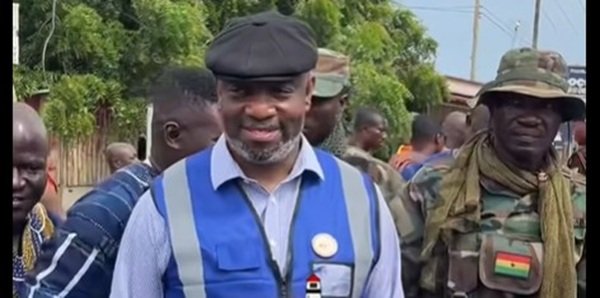
The paramount chief of the Ga State has issued a blunt demand for the arrest and prosecution of traditional leaders who have been selling land on waterways, wetlands and flood-prone zones in the Greater Accra Region—a practice he identified as a primary driver of the devastating flooding that has displaced hundreds of residents in recent days.
King Tackie Teiko Tsuru II made the remarks on Thursday during a tour of communities ravaged by the controlled spillage of the Weija Dam, which was opened after water levels exceeded the facility’s maximum operating threshold of 48 feet. The spill submerged homes, shops and other properties in low-lying areas including Tetegu, Oblogo, Choice and parts of the Weija enclave.
“Chiefs who are selling lands in flood-prone areas and places that are supposed to remain green areas must be held accountable,” the Ga Mantse told journalists during the tour, directing his criticism squarely at fellow traditional authorities whose commercial activities have contributed to the crisis.
The intervention carries significant weight. The Ga Mantse’s authority extends across much of the Greater Accra Region, and his public call for accountability represents a rare instance of a senior traditional leader holding other chiefs to account for enabling illegal or environmentally destructive development.
The flooding itself was not entirely unexpected. Ghana Water Limited opened the spill gates following weeks of heavy rainfall that pushed the Weija reservoir beyond safe levels. The opening of the dam’s spill gates was operationally necessary, but the adequacy of advance warnings to downstream communities has been disputed. NADMO has begun evacuation exercises in affected areas, and emergency response teams continue to monitor the situation as meteorologists forecast more rain in the coming weeks.
But the severity of the flooding in residential areas has renewed scrutiny of the uncontrolled construction that has proliferated along Accra’s waterways and drainage channels. Urban planning experts have long warned that the systematic encroachment on wetlands and green belts—often facilitated by traditional land sales—has dramatically worsened the capital’s vulnerability to flooding.
“We believe that everything is on course. What we are asking is that government agencies, the Regional Minister, and the MMDAs enforce the by-laws. Nobody should be allowed to build in waterways. If it is wrong, it is wrong, and we have to deal with it,” King Tackie Teiko Tsuru II said.
The Ga Mantse acknowledged the human cost of enforcement, including demolitions of structures built on waterways, but maintained that the long-term consequences of inaction were far worse. “Demolitions are painful, and I sympathise with those affected, but we will have to enforce the laws because these situations continue to cause loss of life,” he added.
The Weija Dam spillage has exposed the fragility of Greater Accra’s flood defences. Earlier this year, the Regional Minister placed the capital on high flood alert, warning that meteorological forecasts pointed to an unusually intense rainy season. The spill caught some downstream communities off guard, prompting a sharp exchange between NADMO officials and residents over the adequacy of advance warnings.
The Ga Mantse’s call for prosecution adds a new dimension to the debate. While previous responses to Accra’s flooding have focused on emergency relief and post-disaster demolitions, the suggestion that traditional leaders who facilitated the original land sales should face criminal charges represents a more structural approach to the problem.
Whether the authorities will act on the Ga Mantse’s demand remains to be seen. Traditional land governance in Ghana operates within a complex web of customary law, statutory regulation and political influence that has historically made accountability elusive. But with the rainy season still in its early stages and more flooding likely, the pressure for meaningful action is only intensifying.
Image Source: MYJOYONLINE