Bolivia at Breaking Point: President Paz Warns of National Crisis After Month of Protests
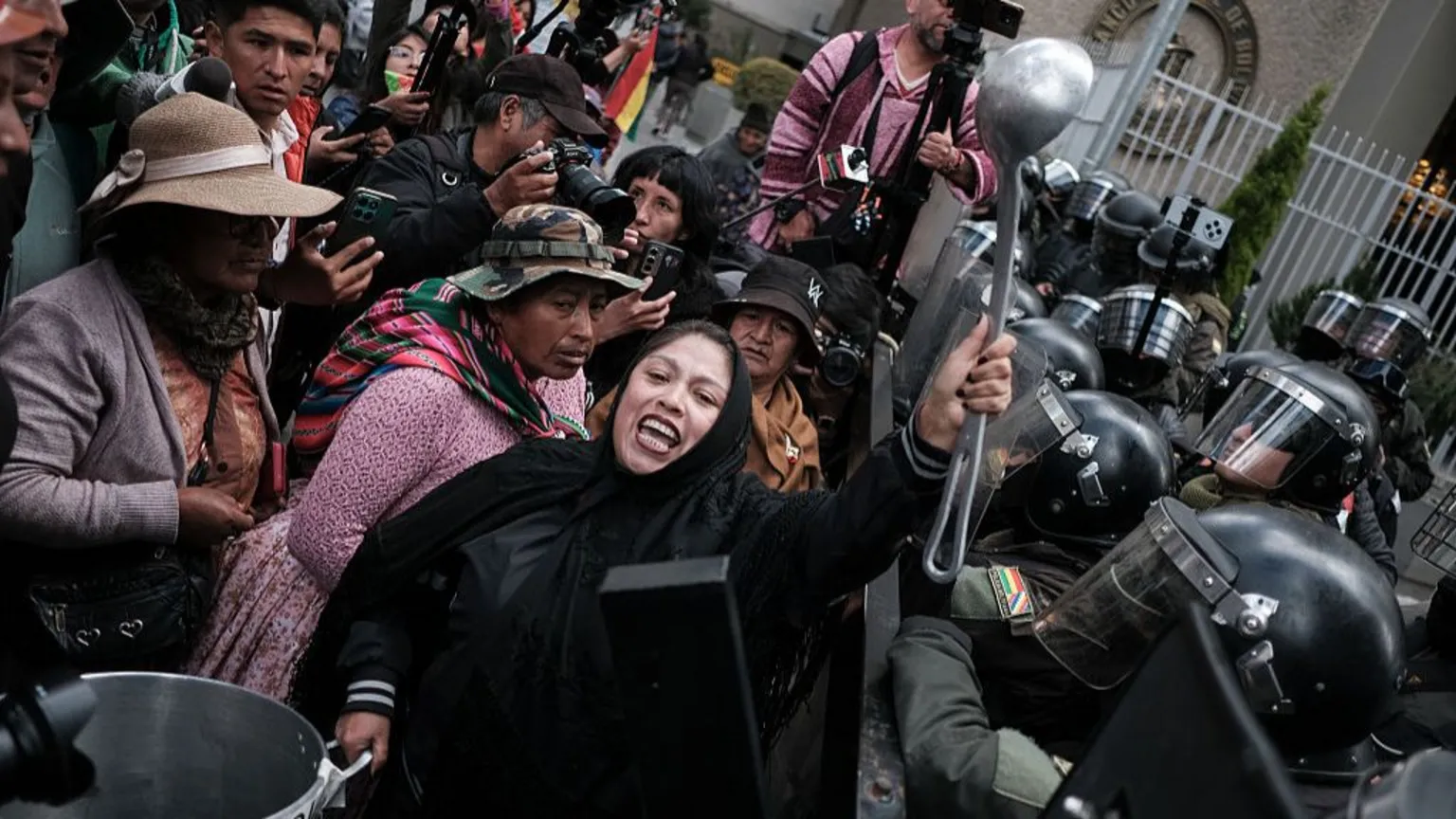
Bolivia is teetering on the edge of a full-blown national crisis. President Rodrigo Paz has issued a stark warning that the country is “at breaking point” after a month of sustained anti-government protests that have claimed at least seven lives, resulted in hundreds of arrests, and brought large swathes of the nation to a grinding halt.
The protests, which began at the end of April, were initially triggered by a controversial land reform proposal that alarmed small-scale farmers. Many feared the measure would pave the way for large landowners to acquire smaller properties, effectively dismantling the rural livelihoods that sustain millions of Bolivians. Although the government insisted any land sales would be voluntary, the assurances failed to convince powerful farming organisations, who responded by blocking the country’s main highways.
President Paz has since scrapped the land reform entirely, but the damage was already done. What began as a farmers’ revolt has metastasised into a broader movement drawing in unions, indigenous groups, and ordinary citizens united by a growing catalogue of grievances. The withdrawal of long-standing fuel subsidies, a decision driven by shortages and spiralling inflation, has sharply raised living costs and added fuel — quite literally — to the fire of public anger.
The blockades have created a vicious cycle. Roads blocked by protesters have deepened fuel shortages, which in turn have driven up prices of basic goods and caused serious supply disruptions across the country. Daily economic losses from the unrest are estimated at more than $50 million, a staggering figure for an economy already under severe strain.
Paz, who took office just six months ago during an economic crisis, has adopted a dual approach: offering dialogue while simultaneously hinting at the use of force. He has appealed for calm and insisted the country needs order, but has not ruled out deploying what he calls “constitutional instruments” to clear the blockades. On Tuesday, Bolivia’s Congress voted to make it easier for the president to declare a state of emergency and call in the military — a move that has divided opinion sharply.
Supporters of the measure argue that “violent” groups should not be allowed to hold an elected government hostage. Critics, however, warn that militarising the response risks inflaming an already volatile situation and could lead to further bloodshed.
The president has attempted several conciliatory gestures, including a cabinet reshuffle, slashing his own salary and those of his ministers, and announcing the creation of a council to negotiate with marginalised sectors of society. None of these measures have quelled the anger on the streets.
The crisis carries echoes of Bolivia’s turbulent political history, where economic hardship and deep social divisions have repeatedly pushed the country towards upheaval. Kenya’s own recent clashes and Bolivia’s failed coup have both laid bare the perils of economic hardship left unaddressed. Paz, a centre-right leader backed by the United States, faces a particularly difficult balancing act: maintaining the economic reforms he believes are necessary while preventing a complete breakdown of social order.
For now, the standoff shows no sign of resolution. Protesters remain dug in at roadblocks across the country, the government is running out of diplomatic tools, and the economic toll continues to mount. Bolivia’s “breaking point” may not be a rhetorical flourish — it may be an accurate description of where the country finds itself today.
Image Source: MYJOYONLINE