Why Gordon Asare Bediako Matters for the NPP's Communication Strategy Heading Into 2028
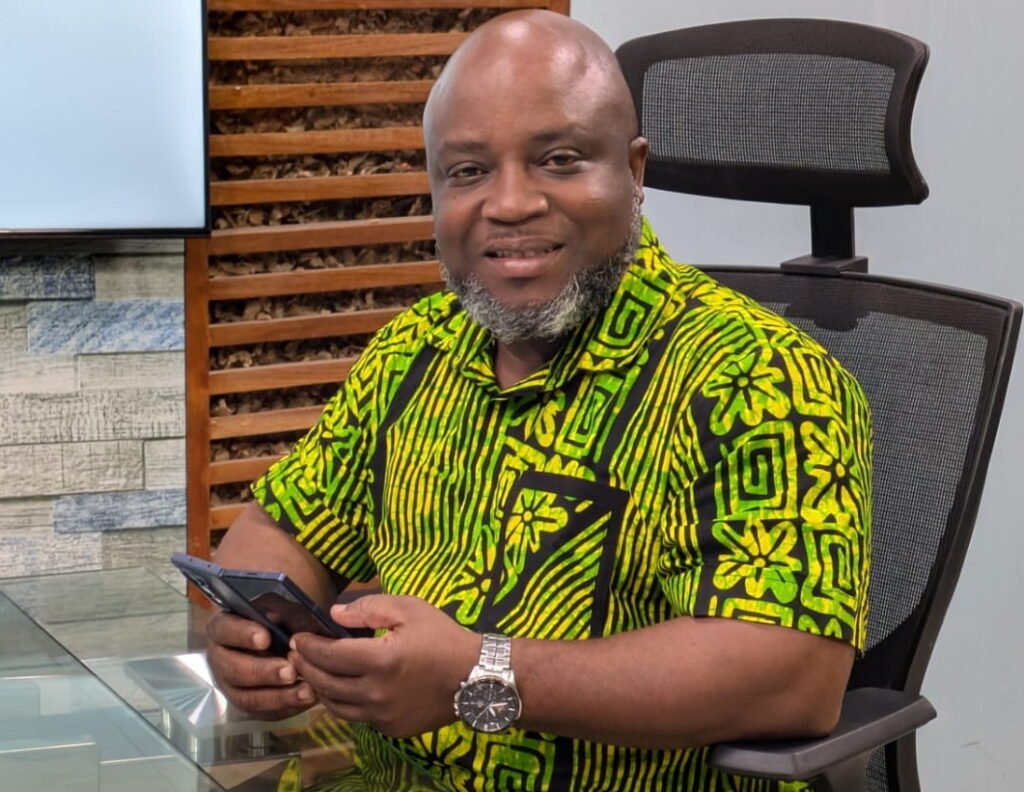
The New Patriotic Party is entering a defining chapter. After losing the 2024 general election, the party faces an urgent reckoning over how it communicates with Ghanaians and who it trusts to carry its message into the next electoral cycle. As internal elections approach and jockeying for key positions intensifies, one name has emerged with increasing frequency in conversations about the party’s communication architecture: Gordon Asare Bediako.
The argument for Bediako is not simply that he speaks well or commands a room. Political parties in Ghana have never lacked for eloquent spokespersons. What the NPP needs, his supporters contend, is something more substantial: a communicator with deep roots in traditional media, proven loyalty to the party through difficult seasons, and the institutional memory to understand how messaging succeeds or fails in Ghana’s complex political landscape.
Barbara Assan, an NPP youth activist based in Takoradi, made the case publicly this week, writing that the party’s communication setbacks in 2024 were not merely about what was said, but about how, when, and by whom it was delivered. Whether the challenge was strategy, deployment, positioning, or the communication itself, she argued, the party cannot afford to treat its communication leadership as a routine appointment.
Her assessment carries weight because it reflects a broader frustration within the NPP’s base. The party’s familiar voices, the communicators who dominated airwaves during the Akufo-Addo years, have gradually receded. Some have moved on to other roles. Others have lost credibility with the grassroots. The result is a vacuum that the party must fill deliberately, not haphazardly.
Bediako’s supporters describe him as a media broker: someone who understands not just how to craft a message, but how to place it where it will have the greatest impact. His relationships across Ghana’s media fraternity, they argue, give the NPP access to editorial spaces and broadcast opportunities that a less connected communicator would struggle to secure. In a political environment where social media increasingly shapes public discourse, traditional media remains a powerful benchmark and the party needs someone who can command both spaces.
The NPP’s internal dynamics make this appointment particularly consequential. The party is simultaneously trying to rebuild its relationship with diaspora supporters and reassert its relevance among domestic voters who shifted allegiance in 2024. Communication is the thread that ties these efforts together. A misstep in choosing a communicator, or worse, treating the role as a consolation prize in internal horse-trading, could set the party back further.
Other NPP leadership contests are already generating significant attention. The race for national chairman, for instance, has drawn endorsements from figures like former Accra mayor Stanley Nii Adjiri Blankson, signalling that the party’s rank and file are paying close attention to who fills its top positions. The communication officer role deserves no less scrutiny.
Critics of the Bediako push might argue that no single communicator can rescue a party whose problems run deeper than messaging. Policy failures, internal divisions, and voter fatigue are structural challenges that no press conference can fix. That is true. But it is also true that a party’s ability to articulate its vision, to explain its mistakes, outline its plans, and connect with ordinary Ghanaians, is a prerequisite for every other form of political recovery.
What makes Bediako’s candidacy interesting is that it represents a deliberate choice to prioritise substance over spectacle. The NPP does not need a firebrand who generates headlines for the wrong reasons. It needs someone who can manage the party’s public image with discipline, build relationships with editors and producers, and ensure that the party’s message reaches voters through credible channels. Bediako’s track record, his supporters say, demonstrates exactly those qualities.
As the NPP’s national elections draw closer, the communication officer race may not generate the same excitement as the chairmanship or flagbearer contests. But for a party trying to convince Ghanaians it deserves another chance, getting the communication right is not optional. It is foundational.
Image Source: MYJOYONLINE