GFA President Kurt Okraku Laments Loss of Kobbie Mainoo to England Ahead of World Cup Showdown
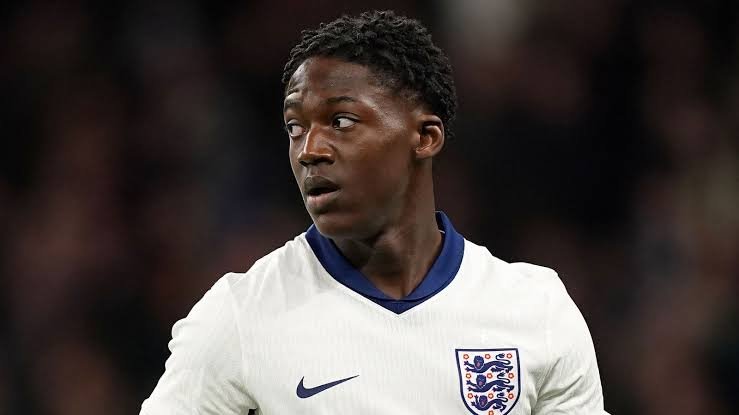
As the 2026 FIFA World Cup draws closer, a familiar debate has resurfaced with fresh urgency: the exodus of African-born talent to European national teams. Ghana Football Association president Kurt Okraku has added his voice to the chorus of frustration, singling out Manchester United midfielder Kobbie Mainoo as a player who should be wearing the colours of the Black Stars rather than the Three Lions.
Speaking to Sky Sports ahead of the tournament, Okraku did not mince words. “Full-blooded Ghanaians should be representing their countries. That’s my clear opinion on representation when it comes to national teams in football,” he said. The GFA chief described Mainoo’s decision to represent England as “most unfortunate,” though he acknowledged the complexity of the issue.
The comments carry particular weight given the fixture list. Ghana and England have been drawn together at the 2026 World Cup, meaning Mainoo will face the country of his heritage on the sport’s grandest stage. It is the kind of narrative that television producers dream of, but for football administrators in Africa, it represents something far more painful — a reminder of the structural advantages that European federations enjoy in recruiting dual-heritage players.
Okraku drew a broader comparison, pointing to France’s World Cup-winning squads, which have featured numerous players of African descent. “When I watched the French national team win the World Cup, and the team is made up of 11 Africans, it always tells me there’s a subject that has to be discussed,” he remarked. The observation is not new, but it underscores a persistent tension in international football: the gap between where talent is developed and where it is ultimately deployed.
For young players born to African parents in Europe, the calculus is often pragmatic rather than emotional. Access to better training facilities, higher-profile exposure, and the promise of tournament success make European federations attractive propositions. England’s setup, with its Premier League infrastructure and established youth development pathway, offers a level of professional security that many African programmes cannot yet match.
Yet Okraku’s frustration speaks to a deeper grievance. African football federations invest in scouting and grassroots development across the diaspora, only to see the most promising talents opt for European nations when the moment of decision arrives. The loss is not merely symbolic; it weakens squad depth and narrows the competitive window for countries like Ghana, which are striving to reclaim their status among the continent’s elite.
Ghana head coach Carlos Queiroz has been building a squad he describes as “ready to fight together for every ball,” and the Black Stars’ provisional roster reflects a blend of homegrown and diaspora talent. The team’s recent camp in Wales and a friendly against Mexico — which ended in a 2-0 defeat — offered glimpses of both promise and vulnerability. Ghana will need every available resource if they are to navigate a group that includes England.
Okraku, for his part, struck a diplomatic note when assessing England’s prospects. “I think that England has a good team. It’s important we respect the manager and the experience that he brings on board,” he said. “But what is also true is that they will meet a very, very competitive and determined Ghanaian side.”
The broader conversation about player eligibility and national allegiance is unlikely to be resolved before kickoff. FIFA’s rules on international switching have evolved in recent years, offering players greater flexibility, but the emotional dimension — the sense of belonging and identity — remains deeply personal. For every Mainoo who chooses England, there is a young Ghanaian somewhere in London, Amsterdam, or Berlin weighing the same decision.
What Okraku’s remarks make clear is that African football leaders are no longer willing to accept these losses quietly. The question is whether that frustration can be translated into the kind of institutional investment — in coaching, facilities, and competitive structures — that makes staying with an African federation a genuinely attractive choice.
Image Source: MYJOYONLINE