Ghana Untapped Gold Reserves Expose 7 Stunning Truths About Nations Vast Mining Potential
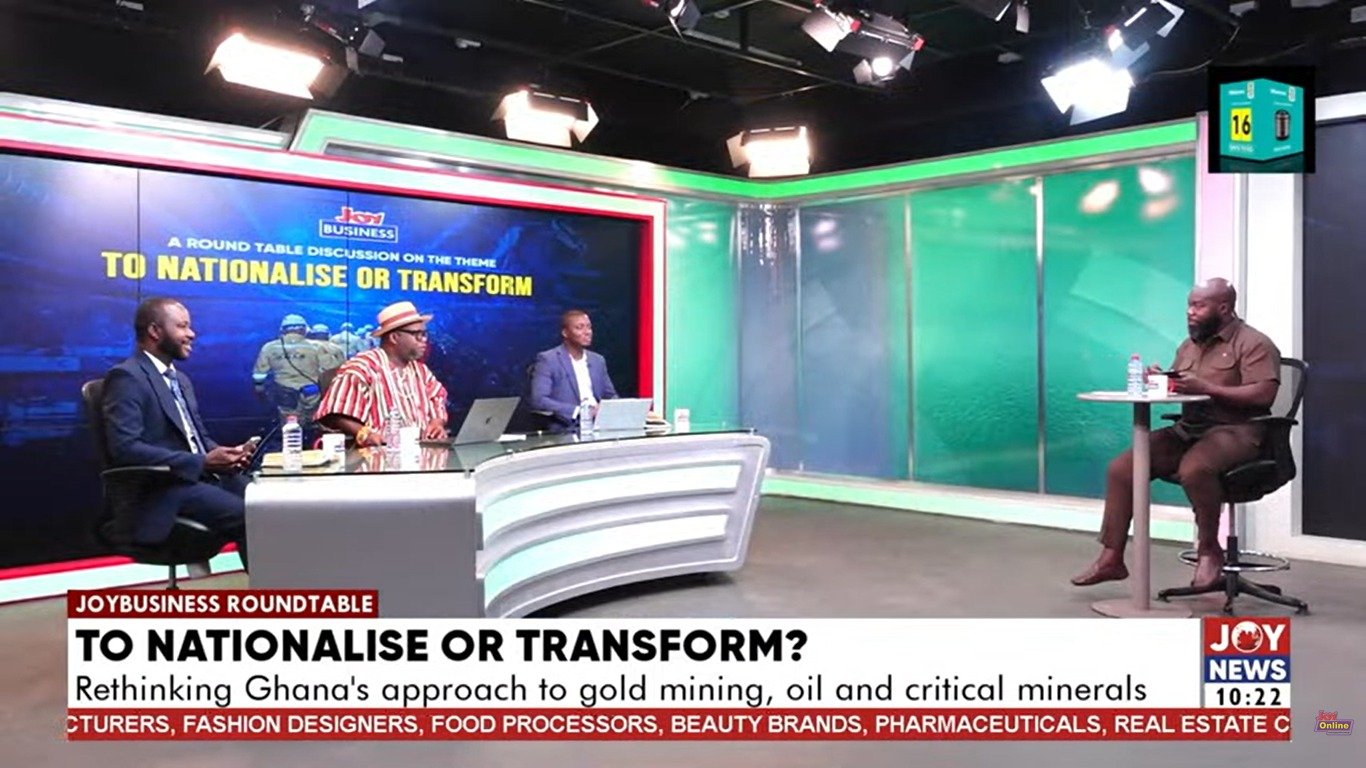
Ghana untapped gold reserves represent one of the most significant economic opportunities on the African continent, according to Ken Ashigbey, the Chief Executive Officer of the Ghana Chamber of Mines, who revealed during a JoyBusiness Roundtable discussion that the country possesses approximately seven gold belts with vast quantities of undeveloped precious metal.
Speaking on the theme “To Nationalise or Transform? Rethinking Ghana’s Approach to Mining, Oil, and Critical Minerals,” Mr Ashigbey stressed the urgent need to shift national attention toward exploration and investment rather than dwelling solely on debates about resource nationalisation.
Ghana Untapped Gold Reserves: Seven Gold Belts and Trillions in Potential
The revelation about Ghana untapped gold reserves is striking in its scope. Mr Ashigbey disclosed that the country currently has about seven gold belts, with approximately three trillion ounces of gold sitting undeveloped beneath the surface.
“Currently, as we sit, Ghana has about seven gold belts and about three trillion ounces of gold that is not developed,” he told the roundtable audience.
Ghana has been a gold-producing country for well over a century and currently ranks among the top gold producers on the African continent. Yet the scale of what remains underground dwarfs current production levels, suggesting that the country’s mining industry has barely scratched the surface of its potential.
The Ghana untapped gold reserves narrative is not simply about quantity. It speaks to a fundamental question about how the country approaches resource development and whether current strategies are adequate to translate geological wealth into economic prosperity for ordinary Ghanaians.
According to the United States Geological Survey, Ghana consistently ranks among the world’s top ten gold-producing nations, yet the proportion of its reserves that remain unexplored suggests far greater potential than current output indicates.
Why Ghana Untapped Gold Reserves Demand Urgent Exploration Investment
Mr Ashigbey drew attention to a troubling reality underpinning Ghana untapped gold reserves: much of the country’s current gold production relies on exploration work completed more than fifteen years ago. This aging knowledge base poses serious risks for the sustainability of the mining sector.
“The precursor for mining, which is exploration, is the critical thing. A lot of what we are mining today is based on exploration we did over 15 years ago. So what is going to be the basis of our mining going forward?” he questioned.
The warning carries significant implications. Without fresh exploration activity, Ghana risks a future production decline even as its untapped gold reserves remain vast. Mining companies need updated geological data, modern exploration techniques and sustained capital investment to identify and develop new deposits.
The high cost of exploration remains a formidable barrier. Greenfield exploration—the process of searching for entirely new mineral deposits—requires substantial upfront investment with no guarantee of success. For Ghana to unlock its untapped gold reserves, both the state and private sector must commit resources to this essential but risky phase of the mining value chain.
Ghana Untapped Gold Reserves and the Exploration Crisis
Mr Ashigbey described the current state of exploration activity in Ghana as “not impressive,” painting a picture of a sector that risks stagnation despite its enormous potential. The Ghana untapped gold reserves will remain exactly that—untapped—unless the country addresses its exploration deficit with urgency.
The Chamber of Mines CEO called for greater Ghanaian participation in funding exploration activities. His appeal highlights a persistent challenge: while Ghana’s mining sector generates significant revenue, much of the exploration capital comes from foreign companies, raising questions about domestic ownership and benefit-sharing.
The exploration challenge connects directly to broader questions about Ghana’s economic trajectory. Mining communities across the Ashanti, Western and Eastern regions depend on the sector for employment and livelihoods. A decline in exploration activity today translates into fewer mines, fewer jobs and less revenue in the decades ahead.
The discussion about Ghana’s mining value chain and the need for partnerships over isolation resonates strongly with Mr Ashigbey’s call for collaborative approaches to exploration funding.
What Ghana Untapped Gold Reserves Mean for the National Economy
The economic implications of Ghana untapped gold reserves extend far beyond the mining sector itself. Gold remains Ghana’s most valuable export commodity and a critical source of foreign exchange. The country’s ability to develop new deposits directly affects its trade balance, currency stability and fiscal position.
Mr Ashigbey urged a shift in national focus from debates about nationalisation toward practical strategies for resource development. While the question of who owns and benefits from mineral resources remains politically charged, the Chamber of Mines CEO argued that the more pressing challenge is ensuring that Ghana’s untapped gold reserves actually get developed.
The global context adds urgency to this domestic conversation. As gold prices remain elevated amid geopolitical uncertainty and central bank demand, countries with proven but undeveloped reserves face a window of opportunity. Ghana’s failure to capitalise on its untapped gold reserves during favourable market conditions would represent a significant economic missed opportunity.
The roundtable discussion also reflected on the broader extractive sector dilemma captured in the national debate over whether Ghana should nationalise or transform its mining approach.
The Future of Ghana Untapped Gold Reserves: Partnerships and Pragmatism
Ghana’s path to unlocking its untapped gold reserves will require a pragmatic blend of domestic ambition and international partnership. Mr Ashigbey’s message was clear: ideology must yield to practicality if the country is to benefit from the immense mineral wealth beneath its soil.
The challenge of Ghana untapped gold reserves is ultimately a challenge of capacity, capital and commitment. The geological endowment is proven. What remains uncertain is whether the policy framework, investment climate and institutional capacity exist to translate that endowment into tangible economic benefits.
As Ghana positions itself within the global energy transition and rising demand for critical minerals, the development of its gold reserves takes on added significance. Gold mining expertise, infrastructure and capital can serve as foundations for diversifying into lithium, manganese and other minerals that the world increasingly demands.
The conversation initiated by the Ghana Chamber of Mines CEO marks an important step toward confronting the realities of resource development. Whether Ghana’s vast untapped gold reserves eventually drive broad-based prosperity or remain a geological curiosity depends on the choices the nation makes today.
Source: MyJoyOnline
Image Source: MYJOYONLINE