Minority MPs warned on Monday that recent water and electricity tariff hikes will completely erase the negotiated nine percent wage adjustment for 2026, saying the moves will further impoverish ordinary Ghanaians.
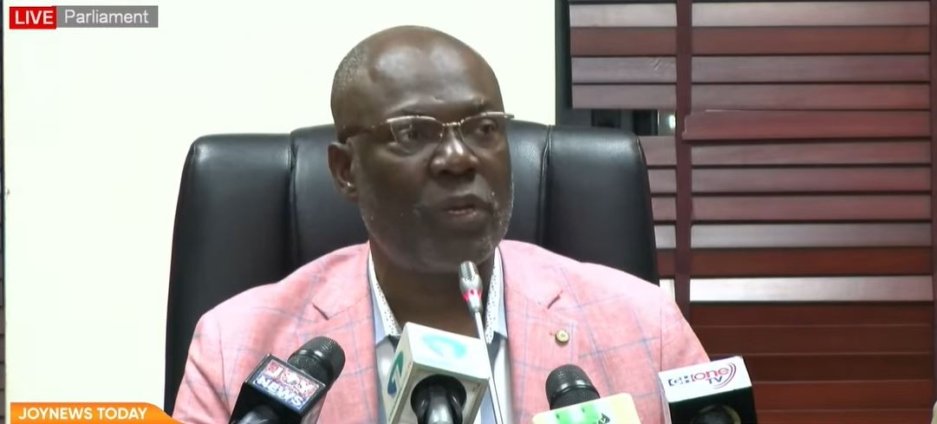
George Kwame Aboagye, ranking member of Parliament’s Energy Committee, addressed a press conference in Accra on December 8, labeling the government’s decision as the “lazy path of shifting its failures onto already suffering consumers.” He said, “This will completely wipe out the mega nine per cent wage adjustment for 2026,” referring to the tripartite‑negotiated pay rise.
The utility increases – up to nine percent for electricity and over fifteen percent for water – come barely a month after the tripartite committee concluded the nine percent wage uplift for the 2026 fiscal year. Aboagye warned that the cumulative effect of these hikes will negate any real‑income boost the adjustment was meant to deliver.
He highlighted that Ghana’s installed generating capacity now stands at 5,500 megawatts, while a recent national peak demand was 4,080 megawatts. The 32 percent gap, he explained, translates to idle capacity that incurs costly “take‑or‑pay” obligations under existing Power Purchase Agreements.
“5,500 megawatts and a recent peak demand of 4,080 megawatts; 32 per cent amounted to 1,120 megawatts and 1,305 megawatts, and if you quantify it at the price of 16 cents as a match price this year, you get 80 to 90 million dollars in losses,” Aboagye noted, stressing that the losses drain the national budget while consumers bear the brunt of tariff hikes.
Labour unions and consumer groups have echoed the minority’s concerns, arguing that the government is prioritising short‑term revenue over long‑term systemic reforms. They call for addressing technical and commercial losses, as well as capacity‑payment costs, before imposing further charges on households.
In response, the Ministry of Energy has yet to issue a detailed statement, but officials have previously asserted that tariff adjustments are essential for sustaining utility operations. The debate is expected to continue in Parliament as the 2026 wage adjustment deadline approaches.
Analysts say that unless the underlying inefficiencies in the power sector are tackled, Ghana risks a cycle where tariff hikes erode real wages, deepening economic vulnerability for many citizens.
Image Source: MYJOYONLINE