Utility Companies Should Fix Losses Rather Than Pass Costs to Consumers, AGI Advises
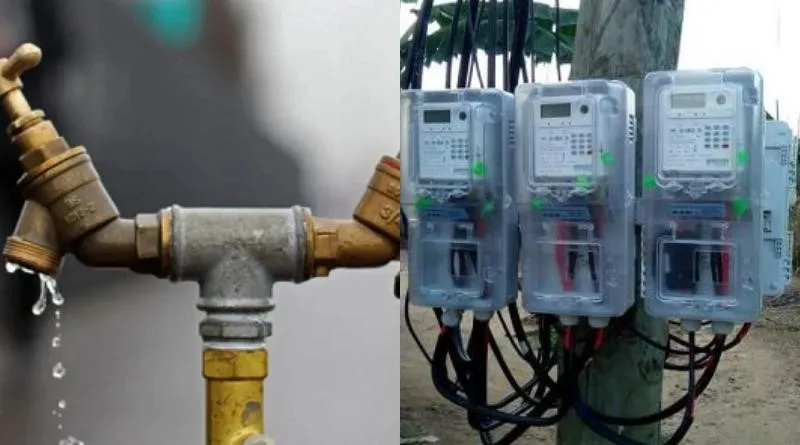
The Association of Ghana Industries (AGI) has urged utility providers to focus on addressing operational inefficiencies rather than passing financial burdens onto consumers through tariff increases, arguing that recent utility tariff adjustments fail to align with economic realities.
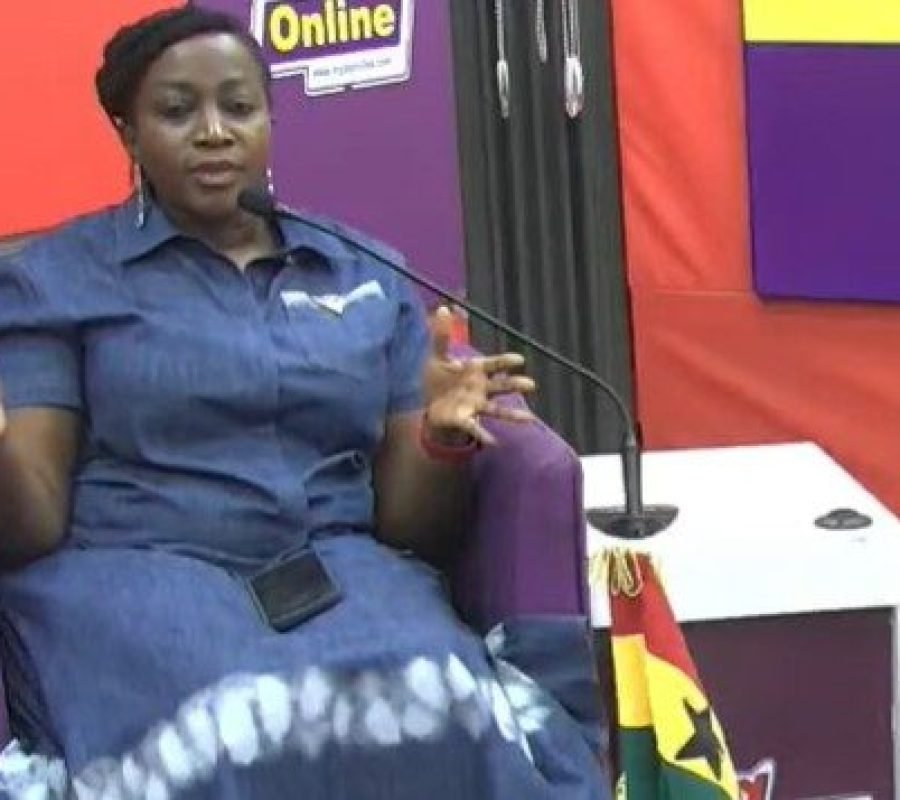
Speaking on Joy FM’s News Night, Tsonam Cleanse Akpeloo, Dean of the Greater Accra Regional Branch of AGI, challenged the justification for recent tariff adjustments announced by the Public Utilities Regulatory Commission (PURC), stating that traditional economic indicators used to justify such increases do not support the latest changes.
According to AGI, the financial challenges facing utility providers such as the Electricity Company of Ghana (ECG) and Ghana Water Limited stem largely from operational inefficiencies, including technical, commercial, and distribution losses. The organization contends that these losses constitute approximately 30 percent of the challenges utilities face.
“Our view is that the utility companies should rather be focusing on tackling the losses. We are fully aware that these losses constitute about 30 per cent of the challenges they have to deal with. It appears to us that instead of dealing with their own losses, they would rather find comfort in easily passing them on to the general consumer,” Akpeloo stated.
The AGI official characterized this approach as inequitable to businesses, particularly manufacturers that rely heavily on electricity for operations. He warned that the cumulative impact of multiple tariff adjustments since the beginning of the year is creating substantial pressure on businesses requiring long-term planning and cost predictability.
“For us in industry, we plan ahead. We really need time to plan for the year. When you look at the different increments we have witnessed since January and consider their cumulative effect, the burden on industry is enormous,” he explained, noting that electricity costs represent approximately 30 percent of total production costs for many manufacturers.
AGI further expressed concern that tariff increases could undermine the government’s 24-hour economy initiative, which aims to boost productivity, employment, and economic growth by encouraging businesses to operate around the clock.
“In an era of a 24-hour economy, where we are encouraging companies to work around the clock and produce for the nation, increasing electricity tariffs sends the wrong signal. Electricity is one of the most important inputs for businesses operating at night,” Akpeloo emphasized.
The organization urged regulators and utility providers to prioritize efficiency improvements and loss reduction strategies instead of imposing additional costs on consumers and businesses. This position aligns with growing opposition from various stakeholders including parliamentary minority groups, labor unions, consumer associations, and business organizations following PURC’s announcement of a 3.49 percent increase in electricity tariffs and a 0.85 percent increase in water tariffs, effective July 1, 2026.
AGI’s stance highlights a fundamental tension in utility regulation: balancing the financial sustainability of service providers with affordability for consumers and competitiveness for businesses. Rather than treating tariff increases as a primary solution to financial challenges, the organization advocates for a comprehensive approach to operational efficiency that addresses the root causes of utility sector financial pressures.
The call for utilities to address internal inefficiencies before seeking consumer relief reflects a growing recognition that sustainable utility management requires operational excellence alongside appropriate pricing mechanisms. By focusing on loss reduction, utilities could potentially improve their financial position while minimizing the economic impact on consumers and businesses.
Image Source: MYJOYONLINE