US and Iran Trade Strikes as Trump Demands Changes to Proposed Peace Deal
A fragile, two-month-old ceasefire between the United States and Iran teetered on the brink of collapse over the weekend as both nations exchanged heavy military strikes, even as diplomats in Washington struggled to finalise a permanent end to the war that has reshaped global energy markets and drawn in neighbouring Gulf states.
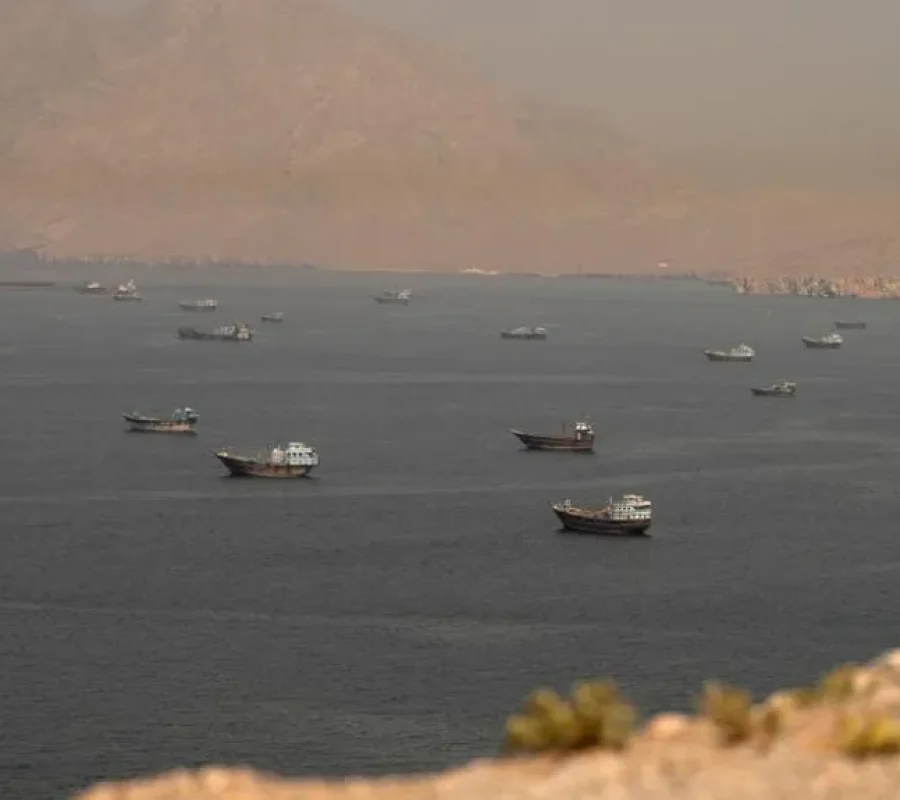
The latest round of hostilities began after US Central Command accused Iran of shooting down an American MQ-1 drone operating over international waters. Washington responded with what it called self-defence strikes on Iranian radar and drone command-and-control installations in the coastal city of Goruk and on Qeshm Island, a strategic perch in the Strait of Hormuz. US fighter aircraft subsequently eliminated Iranian air defences, a ground control station, and two attack drones, CENTCOM said, adding that no American service members were harmed.
Previously released satellite imagery has already revealed that Iranian attacks have damaged at least 20 US military sites across eight countries since the conflict erupted on 28 February, underscoring the scale of Tehran’s retaliatory reach.
Tehran fired back swiftly. Iran’s Islamic Revolutionary Guard Corps announced that its aerospace force had targeted the source of what it described as a US attack on a telecommunications tower on Sirik Island in Hormozgan province. The IRGC warned that continued American aggression would provoke a response that would be “completely different” from anything seen so far.
Gulf States Drawn In
The geography of the conflict widened early Monday when Kuwait’s military reported that its air defence systems were actively repelling incoming aerial threats. Air raid sirens sounded across the country as defences scrambled to neutralise the danger. While Kuwait’s military did not name the source, the country hosts a vital US air base that has previously been targeted by Iran and its proxies.
Kuwait’s Foreign Ministry condemned the strikes “in the strongest terms,” calling them “a dangerous escalation and a direct assault” on Kuwaiti sovereignty, and reserving the right to “take whatever measures are necessary” in self-defence.
Diplomatic Talks Stall
The renewed combat coincided with a sudden slowdown in diplomatic negotiations in Washington. A memorandum of understanding that appeared imminent last week, when President Donald Trump declared the deal “largely finalised,” stalled after a two-hour Friday meeting between Trump and his senior national security advisers. The president requested several text edits before agreeing to sign.
The proposed framework reportedly calls for a 60-day cessation of violence, permanent reopening of the Strait of Hormuz, and a basis for restarting negotiations on Iran’s ballistic missile and nuclear programmes. Trump has insisted on significantly tougher language regarding Iran’s nuclear commitments, a total guarantee for uninhibited maritime commerce, and wariness over providing financial relief to Tehran.
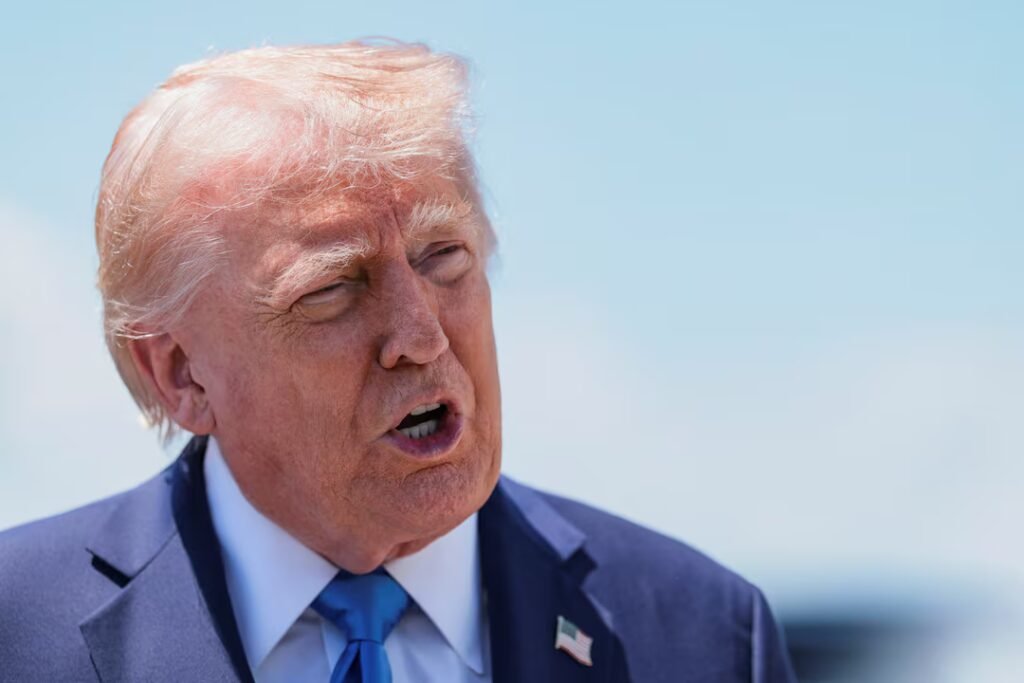
“Iran really wants to make a deal, and it will be a good one for the U.S.A.,” Trump wrote on social media, urging critics to “just sit back and relax.”
Yet the adjustments have met stiff resistance in Tehran. Iranian Parliament Speaker Mohammad Bagher Ghalibaf signalled that the legislature would block any agreement that fails to protect domestic interests, telling Tasnim news agency that “the soldiers of the diplomatic battlefield have no trust in the words and promises of the enemy.”
Iranian Foreign Ministry spokesman Esmail Baghaei flatly denied that nuclear capabilities were part of the current framework. “No negotiations have taken place on the details of the nuclear file. At this stage, our priority is ending the war,” he said, accusing Washington of violating the ceasefire through attacks on Iranian commercial shipping.
Oil Markets in Turmoil, Africa Feels the Heat
The combination of fresh strikes, an unyielding maritime blockade, and diplomatic deadlock shattered investor hopes of a swift resolution. Brent crude futures surged 3.5 per cent to $94.33 per barrel, while US West Texas Intermediate added 4 per cent to $90.91. Overall oil prices have risen roughly 30 per cent since the war began.
The ripple effects have been severe across Africa. The African Development Bank has raised its continental inflation forecast to 10.4 per cent, driven directly by rising energy and transport costs. Twenty-seven African currencies have depreciated against the dollar, deepening the cost-of-living squeeze on the continent’s net oil-importing nations.
In Ghana, the National Petroleum Authority has been forced to adjust local pump price structures. The government has instituted emergency fiscal cushions, offering subsidies of GH₵2.00 per litre for diesel and GH₵0.36 per litre for petrol, while the Bank of Ghana holds its monetary policy rate at 14.0 per cent in a bid to defend a recent disinflation streak.
With neither Washington nor Tehran willing to project domestic vulnerability, the path toward a comprehensive settlement remains wedged between the threat of wider war and the economic necessity of peace. The coming days of diplomatic exchanges will determine whether the existing framework serves as a bridge to stability or merely a brief interlude before deeper escalation.
Image Source: MYJOYONLINE