No African Country Can Navigate Today’s Global Challenges in Isolation — Mahama
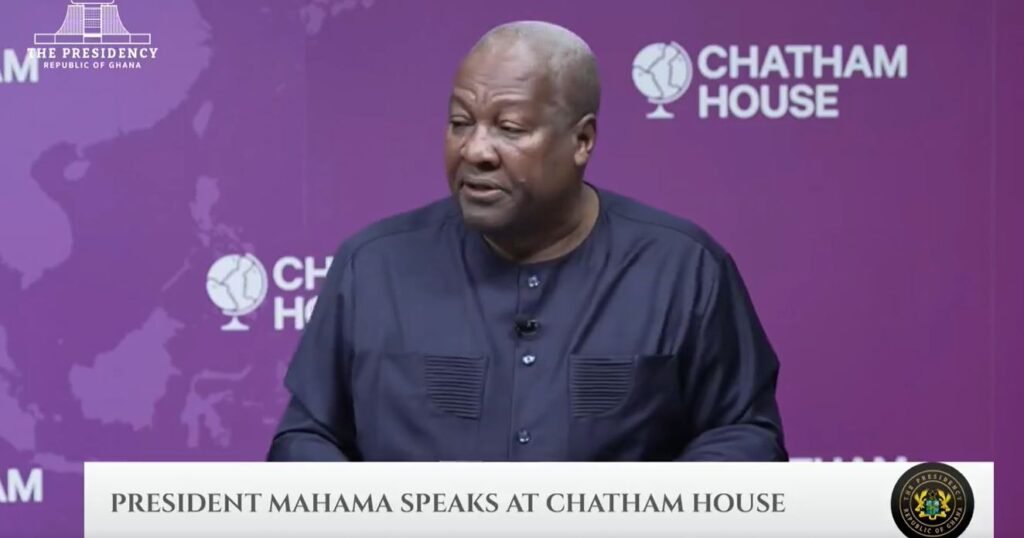
President John Dramani Mahama has issued a stark call for deeper African unity and regional economic integration, warning that the continent’s nations cannot afford to face the complexities of the modern geopolitical landscape alone.
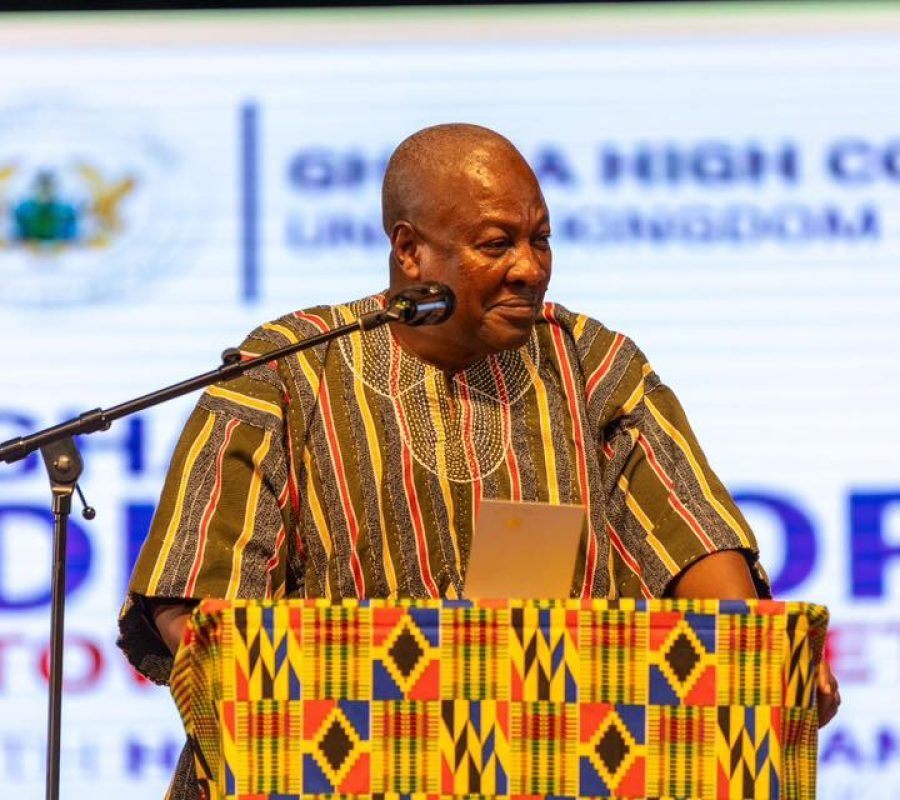
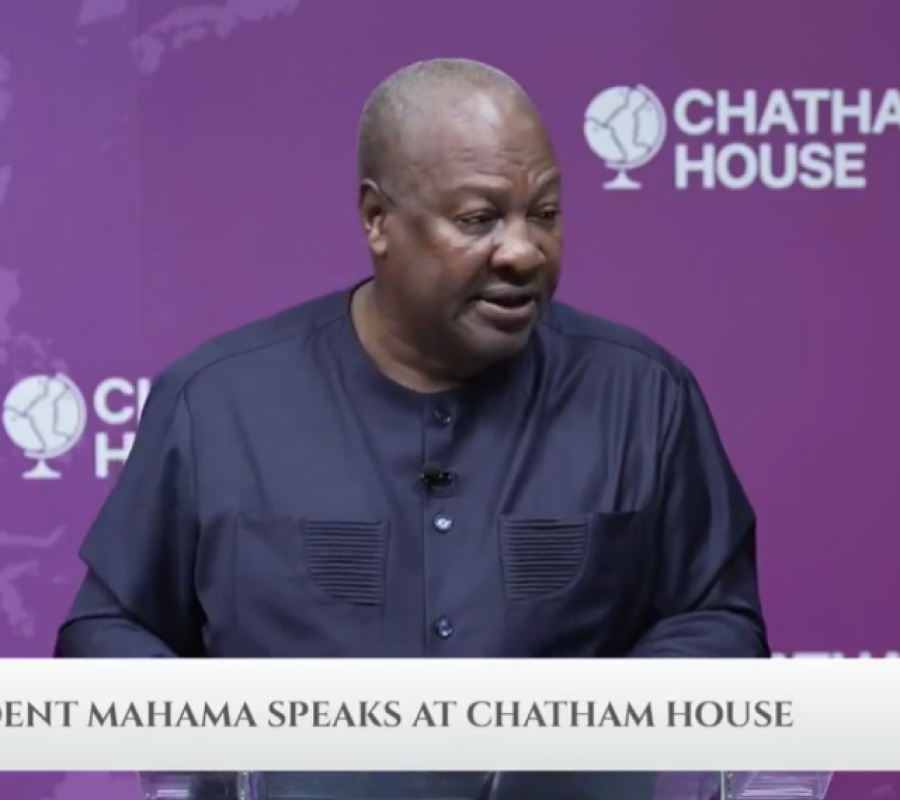
Speaking at Chatham House in London on Monday, June 1, President Mahama said Africa must strengthen its internal economic resilience in response to growing supply chain disruptions, shifting trade blocs, rising economic nationalism, and increasing global uncertainty.
Central to his argument was the African Continental Free Trade Area (AfCFTA), headquartered in Accra, which he described as one of the most significant opportunities for Africa’s economic transformation and long-term prosperity.
“If implemented successfully, the African Continental Free Trade Area has the potential to unlock intra-African trade, expand industrial production, strengthen regional value chains, and reduce Africa’s excessive exposure to external shocks,” the President said.
Mahama pointed out that for decades, many African economies have remained heavily dependent on the export of raw commodities while importing finished products at considerably higher value — a pattern he called unsustainable and strategically disadvantageous.
He stressed that Ghana remains committed to industrial transformation, value addition, export diversification, and regional economic integration as part of efforts to build a more resilient economy. The remarks echo the broader continental push for self-sufficiency, a theme articulated recently by KGL Group Chairman Alex Dadey, who urged African enterprises to build resilience and compete on the global stage.
“In today’s global environment, no African country, regardless of size or resources, can effectively navigate geopolitical and economic complexities in isolation,” Mahama stated. “African unity is therefore no longer simply a political aspiration; it is a strategic imperative.”
The President also emphasised the importance of building balanced and mutually beneficial international partnerships. While reaffirming Ghana’s commitment to its longstanding traditional partners, he said the country would continue expanding cooperation with emerging economies and new centres of global influence.
“Our foreign policy approach is guided neither by ideological rigidity nor by dependence, but by strategic pragmatism rooted in Ghana’s national interest,” he said — a theme he expanded upon in his broader remarks on Ghana’s pragmatic foreign policy direction.
Mahama noted that countries capable of building bridges across geopolitical divides would become increasingly relevant in a fragmented global system. He said Ghana would continue pursuing partnerships that expand markets, facilitate technology transfer, create employment opportunities for young people, support industrialisation, and strengthen economic transformation.
Image Source: MYJOYONLINE