Three killed, nine injured as gunmen attack Odomi community in Nkwanta South
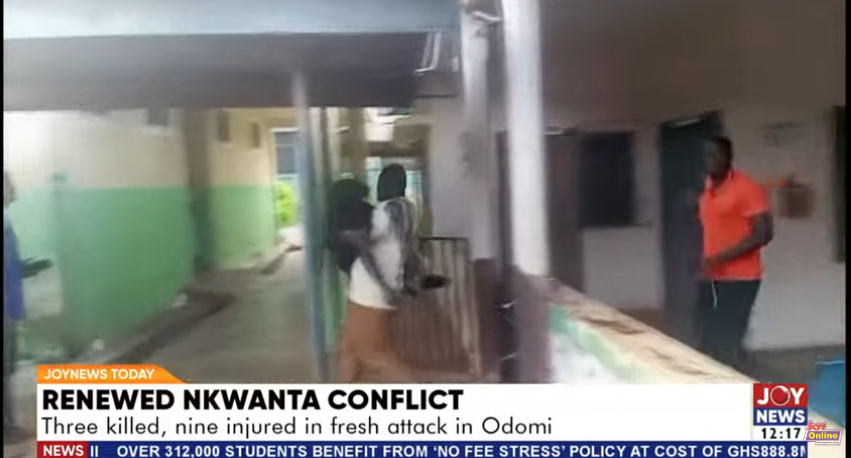
Gunman Attack Odomi Community Leaves Three Dead, Nine Injured as Security Forces Intensify Patrols
A deadly gunman attack on the Odomi community in Ghana’s Nkwanta South Municipality has left three people dead and nine injured, reigniting fears about the protracted conflict that has plagued the Oti Region. The assault, which occurred on Thursday evening, underscores the urgent need for effective security measures and community-based solutions to restore lasting peace.
According to reports, unknown gunmen launched the attack, firing indiscriminately at residents. Victims were rushed to the Nkwanta St. Joseph Catholic Hospital, where two were pronounced dead upon arrival and a third succumbed to injuries while receiving treatment. The motive remains unclear, though officials have linked the violence to the ongoing conflict in the area, which has seen periodic flare-ups over recent years.
In response, security agencies, supported by military personnel, have intensified patrols in Odomi and surrounding zones to restore calm and prevent further violence. The Interior Minister has also imposed a curfew on parts of Nkwanta South due to security concerns, as reported in related coverage. These immediate actions aim to curb the spread of violence and protect civilians while longer-term solutions are pursued.
Notably, the Oti Regional House of Chiefs has announced the formation of a seven‑member committee to address the protracted conflict. The committee’s purpose is to engage stakeholders and recommend lasting solutions, though it has not yet been inaugurated. This local initiative reflects a growing recognition that sustainable peace must be driven by community ownership and dialogue, complementing the security forces’ efforts to maintain order.
The attack serves as a stark reminder of the human cost of unresolved conflicts. Beyond the immediate tragedy, such incidents disrupt livelihoods, displace families, and erode trust in institutions. The injured survivors face prolonged recovery, while communities grapple with psychological trauma and the economic toll of disrupted markets and agricultural activities.
Addressing the root causes of the conflict requires a multifaceted approach. Security patrols and curfews can provide temporary relief, but lasting peace demands investment in dialogue, conflict resolution mechanisms, and socioeconomic development. The committee formed by the House of Chiefs represents a step in this direction, offering a platform for grievances to be heard and collaborative solutions to be explored.
In the broader West African context, Ghana’s Oti Region is not isolated in experiencing localized conflicts that escalate into violence. Initiatives aimed at strengthening regional security architecture, such as the recent structural split at the Kofi Annan International Peacekeeping Training Centre (kaiptc-splits-research-and-academic-units-to-tackle-west-africas-fast-moving-security-landscape) to better tackle fast-moving security threats, provide valuable frameworks for understanding and responding to such challenges. By combining local peacebuilding efforts with regional expertise, there is hope that communities like Odomi can break the cycle of violence and build a more secure future.
As security forces continue their patrols and the committee prepares to begin its work, the focus must shift from reactive measures to proactive peacebuilding. Investing in early warning systems, community liaison officers, and economic opportunities for youth can help prevent future attacks. The resilience of the Odomi community will be tested in the coming weeks, but with coordinated efforts between local leaders, security agencies, and regional partners, there is a path toward healing and stability.
Image Source: MYJOYONLINE