The Transcontinental Lesson: How a 10-Hour Journey Could Transform Ghana's Sports Landscape

The Transcontinental Lesson: How a 10-Hour Journey Could Transform Ghana’s Sports Landscape
A seemingly ordinary 10-hour drive across the United States landscape may hold profound implications for the future of Ghanaian sports, according to a recent 3News report that has sparked discussion among sports administrators and policymakers. While the specific details of the journey remain undisclosed in the initial report, the premise invites valuable reflection on how international experiences can inform domestic sports development strategies.
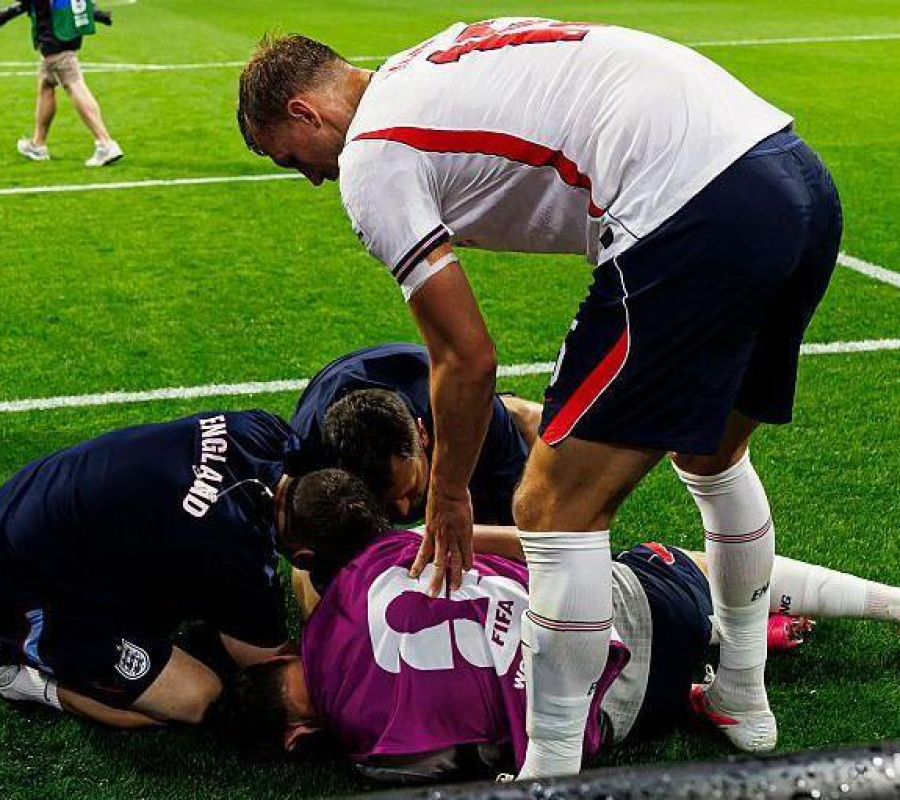
The timing of this report is particularly salient as Ghana continues to process its recent exit from the 2026 FIFA World Cup, where the Black Stars were eliminated in the Round of 32 following a 1-0 defeat to Colombia. This outcome has prompted nationwide conversations about team preparation, player development systems, and the structural foundations necessary for sustained international competitiveness.
Sports development experts have long recognized that successful athletic programs often benefit from cross-pollination of ideas between different sporting cultures. The United States, with its extensive collegiate athletic system, professional leagues, and sports science infrastructure, offers numerous models that could be adapted to Ghanaian contexts despite obvious differences in scale and resources.
Key areas where transatlantic exchange could prove valuable include youth development pathways, coaching education programs, sports medicine facilities, and performance analytics systems. The American emphasis on creating seamless transitions from school-based athletics to elite competition presents one potential model worthy of examination, particularly as Ghana seeks to strengthen its feeder systems for national teams across various disciplines.
Similarly, the US approach to sports scholarships and athlete support systems provides interesting parallels for Ghana’s own efforts to balance academic excellence with athletic development. While direct replication of American models would be inappropriate given differing socioeconomic contexts, the underlying principles of athlete welfare, long-term development planning, and integrated support services offer universal concepts worthy of contextual adaptation.
The reported 10-hour journey likely represents more than mere geographical distance—it symbolizes the commitment required to seek out and absorb knowledge that can drive meaningful change. In an era where information travels instantly via digital platforms, the willingness to undertake extended physical journeys for firsthand learning underscores the depth of commitment necessary for transformative reform.
This perspective aligns with broader discussions about Ghana’s sports governance that have emerged following recent international competitions. Conversations about technical independence in team selection, as highlighted in recent statements by Sports Minister Kofi Adams regarding the Black Stars, are complemented by discussions about the infrastructural and developmental foundations that enable athletic excellence.
Such foundational work connects to community-based initiatives that emphasize grassroots engagement in sports development. Recent appeals by community leaders like Reverend Acheampong E. S. Builderman for citizens to take active roles in local development efforts find parallels in the sports arena, where sustainable progress often depends on widespread participation at the school and club levels before reaching elite international competition.
The potential lessons from this transcontinental exchange extend beyond football to encompass Ghana’s broader sporting ecosystem. From athletics and boxing to basketball and emerging sports, systematic approaches to talent identification, coach education, and athlete support could yield dividends across multiple disciplines.
Critically, any adaptation of international models must be approached with cultural sensitivity and contextual awareness. What works in the American sports landscape—which benefits from substantial financial investment, established institutional frameworks, and specific cultural attitudes toward competition—must be thoughtfully translated to Ghanaian realities where resources may be more constrained but community engagement and traditional values offer different strengths.
The true value of such exploratory journeys lies not in copying specific programs but in understanding underlying principles that can be creatively adapted. Whether examining how American universities integrate athletics with academics, studying professional league salary cap systems designed to promote competitive balance, or investigating community sports programs that successfully engage diverse populations, the goal should be to extract transferable concepts rather than prescriptive templates.
As Ghana continues to evaluate its sports development strategies following recent international outcomes, opportunities for meaningful international exchange—whether through extended journeys like the one referenced in the 3News report or through virtual collaborations—remain an important component of progressive sports policy. The willingness to invest time and effort in seeking external perspectives demonstrates the kind of commitment necessary to build sporting systems capable of sustained success on the world stage.
Image Source: GHANAMMA