Senegal's New Prime Minister Appointed: Economist Lo Takes Charge Amid Debt Crisis
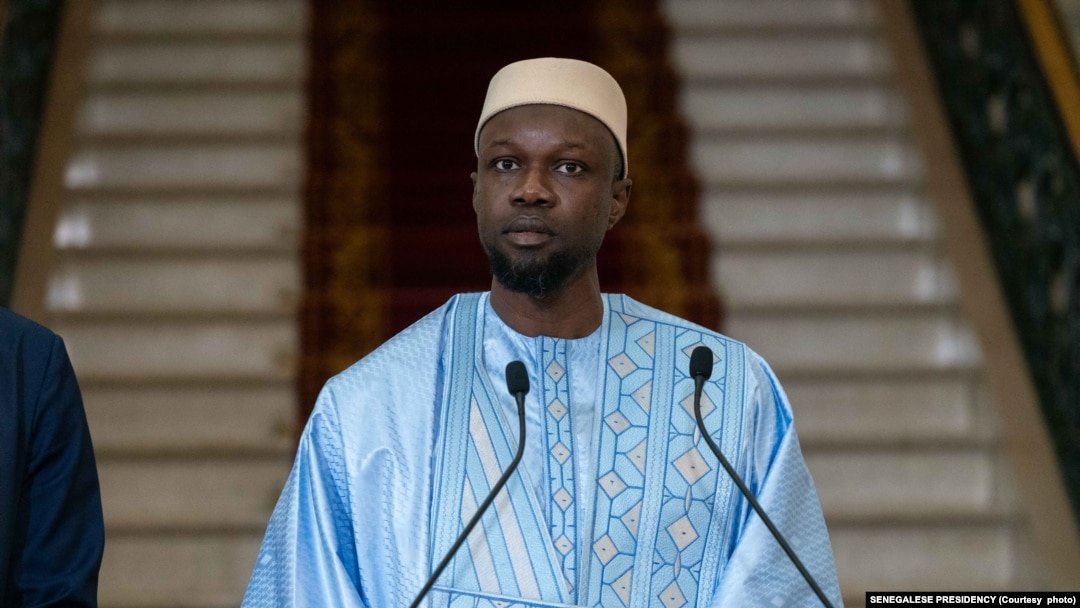
Senegal’s President Bassirou Diomaye Faye moved swiftly to Senegal’s new prime minister appointment on Monday, naming seasoned economist Ahmadou Al Aminou Lo to lead the government just three days after dismissing the previous cabinet led by firebrand populist Ousmane Sonko.
The dramatic reshuffle marks a decisive pivot in the West African nation’s political trajectory, as Faye seeks to stabilize a turbulent relationship with international creditors and restore investor confidence in a country grappling with alarming debt levels and a frozen International Monetary Fund lending program.
Senegal’s New Prime Minister Brings Central Bank Expertise to Crisis-Ridden Government
Lo, who formerly served as head of the Senegal branch of the Central Bank of West African States (BCEAO), brings deep financial expertise to a role that demands urgent economic stabilization. Appearing on state television to announce his appointment, the Senegal’s new prime minister struck a markedly different tone from his predecessor, emphasizing reassurance over confrontation.
“We must all be aware of the state of emergency our country currently finds itself in. In particular, the state of public finances and its impact on the economy,” Lo said during his televised address. “Senegal is a safe and reliable country and intends to remain so.”
The appointment comes at a critical juncture. The International Monetary Fund froze Senegal’s $1.8 billion lending program following the discovery of misreported debt, which pushed the country’s end-2024 debt level to a staggering 132 percent of its economic output. The total debt is estimated at approximately $13 billion.
Why Senegal’s New Prime Minister Must Navigate Sonko’s Political Shadow
The dismissal of Ousmane Sonko on Friday followed months of mounting tensions between the president and the man who had been instrumental in Faye’s political rise. Sonko had been a vocal opponent of any restructuring of Senegal’s debt, which the IMF was advocating, creating a fundamental policy rift within the government.
In March, Sonko escalated the confrontation by warning he could take the ruling Pastef party—which dominates the National Assembly—into opposition if the president strayed from the party’s agenda. That threat continues to loom over the government’s ability to pass reforms needed to unlock IMF support, presenting a formidable challenge for Senegal’s new prime minister.
The political uncertainty deepened further on Sunday when the National Assembly speaker resigned, fueling speculation that Sonko himself could fill the role. The National Assembly is due to meet on Tuesday to discuss “reintegrating” Sonko as a lawmaker, a development that could either stabilize or further complicate the political landscape.
Senegal’s New Prime Minister Signals Shift Toward International Cooperation
In his introductory remarks, Lo was careful to offer conciliatory words toward Sonko, praising the record of the government he led, including an economic recovery plan announced last year that relied heavily on domestic funding. However, the Senegal’s new prime minister also signaled a clear departure from his predecessor’s confrontational stance toward international financial institutions.
“This appointment does not signal a retreat from Senegal’s commitment to systemic transformation under Faye,” Lo stated, “but instead reflects a new approach aligned with the president’s vision.”
Analysts suggest that Lo’s background at the BCEAO positions him uniquely to engage constructively with the IMF and other creditors. His appointment is widely interpreted as a signal to foreign investors that Senegal intends to pursue a more orthodox economic policy path, potentially opening the door to resumed lending and debt restructuring negotiations.
According to Reuters reporting, the tensions between Faye and Sonko had been building for months before the dramatic Friday dismissal, with fundamental disagreements over economic policy at the heart of the dispute.
What Senegal’s New Prime Minister Appointment Means for West African Stability
The appointment of Senegal’s new prime minister carries implications beyond Senegal’s borders. West Africa has experienced significant political upheaval in recent years, with military coups in neighboring Mali, Burkina Faso, and Niger fundamentally altering the regional political landscape. Senegal has been regarded as one of the region’s most stable democracies, and the smooth handling of this political transition is crucial for broader regional confidence.
The Pastef party’s dominance in the National Assembly presents both opportunities and challenges for Lo. While the party’s legislative majority could facilitate rapid passage of reform measures, Sonko’s potential return to parliament—and possibly to the speakership—could create an internal opposition bloc that complicates governance.
Economic observers will be watching closely to see whether Lo’s appointment leads to a resumption of IMF negotiations. The frozen lending program represents a significant gap in Senegal’s financing architecture, and unlocking those funds could provide the fiscal breathing room needed to address pressing social and infrastructure needs.
For now, Senegal’s new prime minister faces the delicate task of reassuring international markets while maintaining domestic political cohesion—a balancing act that will define the next chapter of Senegal’s political and economic trajectory under President Faye’s leadership.
Source: MyJoyOnline