Only Four Paediatric Nephrologists Serve Ghana's Entire Population, Leaving Childhood Kidney Care in Crisis
Ghana has just four paediatric nephrologists serving a population of more than 33 million people, a shortage that medical experts say is leaving children with end-stage kidney disease without the specialised care they need to survive.
The stark figure, highlighted by Dr Beatrice Nyann, Head of Paediatric Nephrology at the University of Ghana Medical Centre, underscores what health professionals describe as a deepening crisis in childhood kidney care across the country.
“There’s still a big gap when it comes to younger children with end-stage kidney disease. The numbers are not as huge as the adults, but even if it is 25 or 35 patients, they should get that care,” Dr Nyann said.
The acute workforce deficit has forced the vast majority of paediatric kidney cases to be funnelled through just three major tertiary facilities: Korle Bu Teaching Hospital, Komfo Anokye Teaching Hospital, and the University of Ghana Medical Centre. The concentration of cases at these already overstretched institutions has created bottlenecks that delay treatment for vulnerable young patients.
While official training programmes are underway to boost the number of specialists, experts warn that the current pipeline remains woefully inadequate to meet rising demand. Paediatric nephrology requires years of subspecialty training beyond general paediatrics, and the number of fellowship positions in Ghana is severely limited.
The consequences of the shortage extend beyond long waits. Children with kidney failure who do not receive timely dialysis or transplant evaluation face life-threatening complications, including dangerous fluid retention, electrolyte imbalances, and cardiovascular damage. For families in rural areas, the distance to the three tertiary centres adds another layer of difficulty.
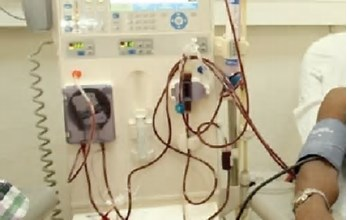
Dr Nyann said UGMC is exploring ways to bridge the gap, including the potential introduction of advanced, automated dialysis machines. In developed countries, portable or nocturnal dialysis systems allow children to undergo treatment at home during the night, enabling them to maintain normal daytime activities and attend school. Such options remain strictly limited in Ghana.
The crisis in paediatric kidney care is part of a broader health system challenge. Ghana’s healthcare infrastructure has struggled to keep pace with population growth, and specialist services in fields ranging from oncology to cardiology face similar workforce shortages. The country’s doctor-to-patient ratio remains well below World Health Organisation recommendations.
With a significant share of Ghana’s population comprising children and young people, health specialists warn that continued gaps in paediatric care could have long-term implications for the country’s future. Childhood kidney disease, if poorly managed, can lead to chronic health problems that persist into adulthood, placing additional strain on an already burdened system.
The situation calls for urgent investment not only in specialist training but also in diagnostic infrastructure at regional hospitals, so that kidney problems can be detected early and referrals made before children reach the critical stages of disease.
Image Source: MYJOYONLINE