Nkwanta South Municipal Hospital Appeals for Support as Infrastructure Deteriorates
The Nkwanta South Municipal Hospital in the Oti Region is facing a deepening infrastructure crisis that threatens its ability to serve a growing patient population, prompting an urgent appeal for government intervention and public support.
The facility, which began as the Nkwanta Clinic before being upgraded first to a district hospital and later to its current municipal status, now serves as a critical healthcare hub for communities across the Nkwanta enclave and patients from neighbouring areas in the Republic of Togo. But years of limited maintenance have left the hospital in a state that falls far below acceptable global healthcare standards.
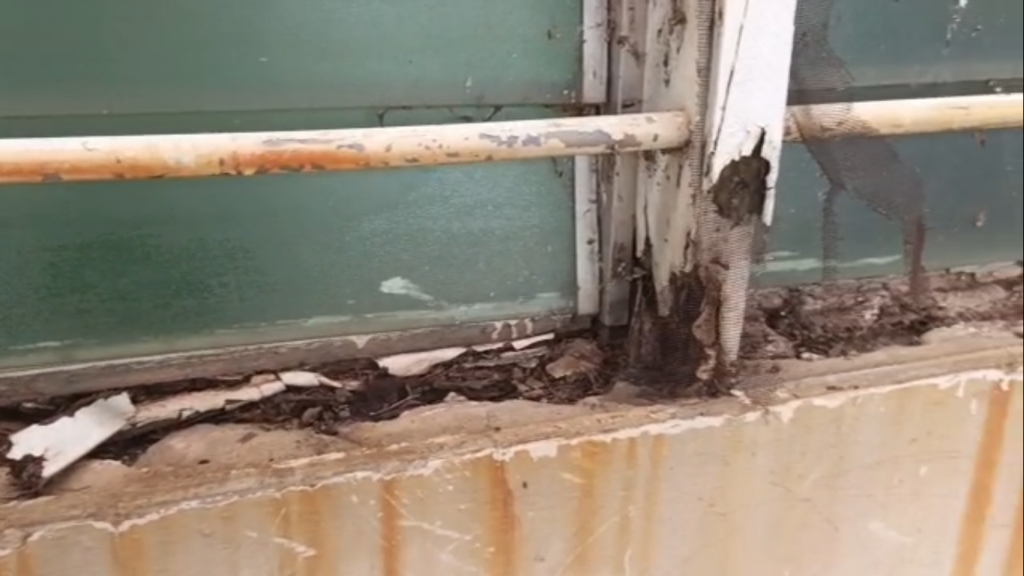
Several buildings on the hospital compound have deteriorated significantly. Window frames and doors in many blocks are completely broken or collapsed. Structural damage is evident throughout the facility, with cracked walls and broken floor finishes across multiple units. In some sections, vegetation has overgrown parts of the walls, a visible marker of prolonged neglect.
The physical decay extends to the hospital’s ability to function during adverse weather. Some wards and service blocks reportedly leak heavily during rainfall, creating additional challenges for both patients and healthcare workers and raising concerns about infection control and patient safety.
Rising attendance at the hospital’s Out-Patient Department has compounded the strain. The facility is being stretched beyond capacity by growing demand, yet its physical infrastructure has not been upgraded to match. Medical personnel are relying on outdated tools and limited diagnostic resources, constraining their ability to deliver efficient and modern healthcare services.
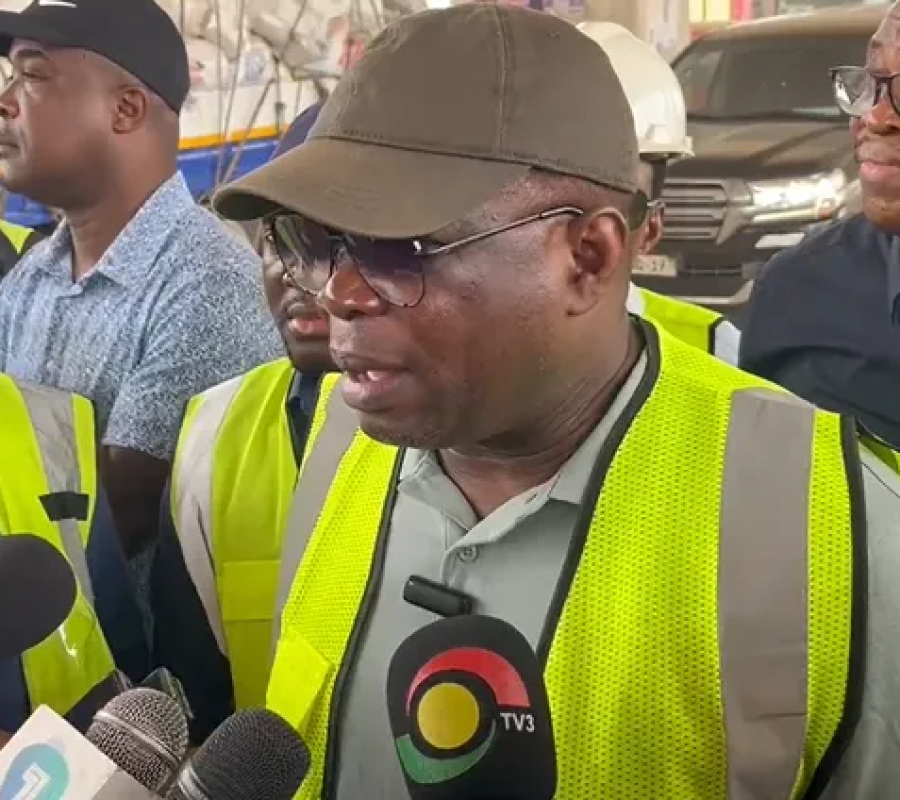
Koku Awoonor-Williams, Technical Adviser to the Ministry of Health, visited the facility and highlighted its condition during his assessment. He called on the government to intervene urgently to restore and modernise the hospital, describing the situation as one that requires immediate attention.
The appeal comes at a time when Ghana’s healthcare system is grappling with uneven distribution of resources between urban and rural facilities. While major teaching hospitals in Accra and Kumasi have benefited from renovation projects, including the Heal Komfo Anokye initiative aimed at renovating the country’s second-largest referral hospital, smaller municipal and district hospitals in underserved regions continue to struggle with basic infrastructure.
The hospital’s strategic importance extends beyond Ghana’s borders. Its proximity to Togo means it serves as a frontline healthcare facility for cross-border communities, making its rehabilitation a matter of both domestic public health and regional cooperation.
Health advocates have called for a systematic approach to addressing infrastructure deficits at municipal hospitals, arguing that piecemeal repairs are insufficient to meet the needs of growing populations. They have urged the government to allocate dedicated funding for hospital rehabilitation in underserved regions, rather than relying solely on ad hoc appeals and donations.
Image Source: MYJOYONLINE