Ghana MPs Unite in Call for Continental Action Against Xenophobic Violence in South Africa
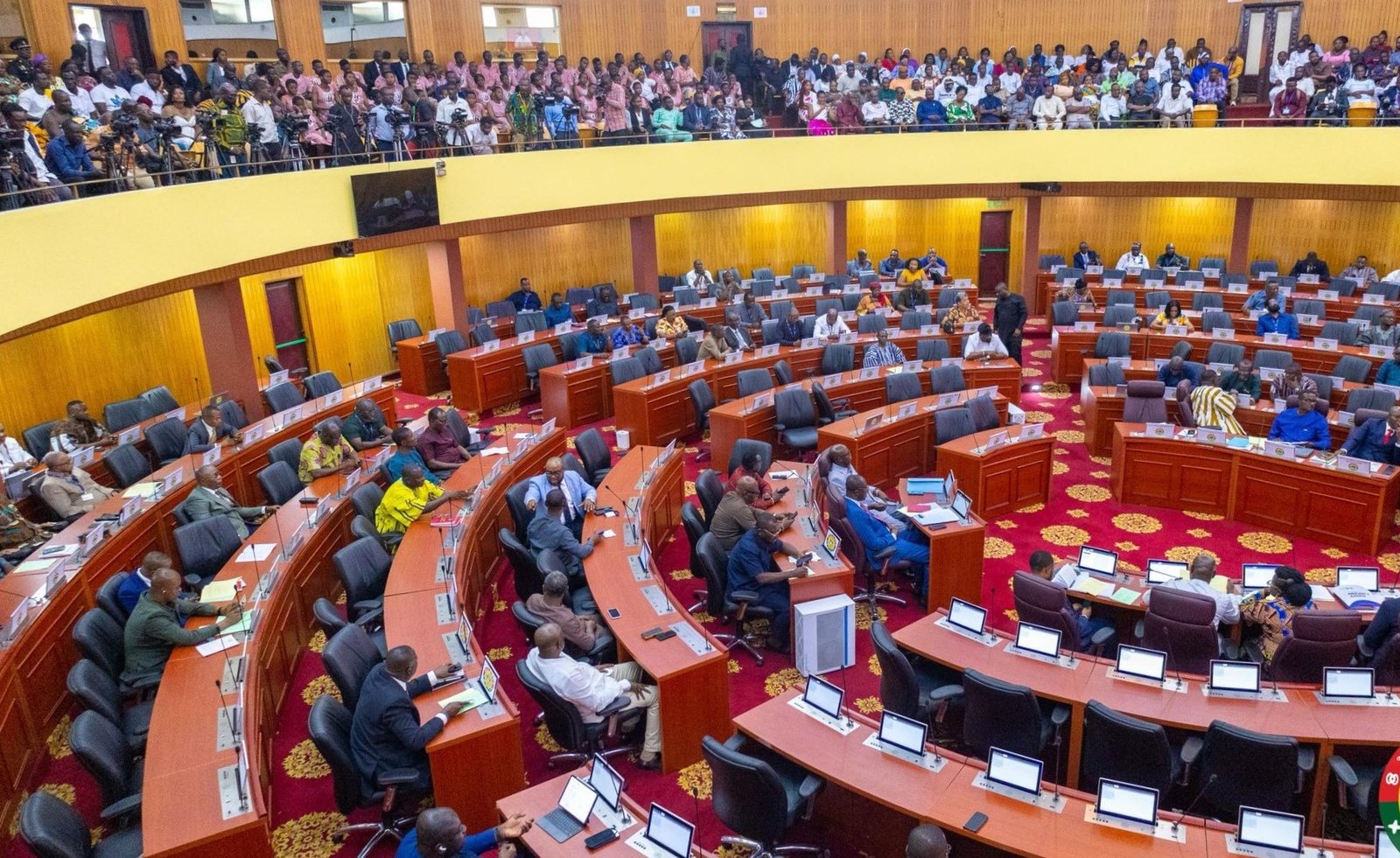
Ghana’s Parliament has spoken with a rare unified voice, condemning the latest wave of xenophobic violence against African migrants in South Africa and calling on the African Union to adopt a formal continental resolution demanding accountability and stronger protections for foreign nationals.
The call was led by Rockson-Nelson Kwami Dafeamekpor, the Majority Chief Whip and Member of Parliament for South Dayi, who delivered a statement on the floor of Parliament urging AU and Pan-African institutions to move beyond rhetoric. He demanded investigations and prosecutions of individuals involved in assaulting foreign nationals and forcibly shutting down their businesses in South Africa.
Samuel Abu Jinapor, the MP for Damongo and Ranking Member on the Foreign Affairs Committee, added his voice to the condemnation and commended the Government of Ghana for its swift action in repatriating citizens affected by the unrest. James Agalga, MP for Builsa North, described the attacks as shameful but cautioned Ghanaians against retaliatory actions targeting South Africans living in the country, urging maturity and restraint.
South Africa has witnessed recurring waves of xenophobic violence since the early 2000s, often directed at African migrants from Nigeria, Zimbabwe, Mozambique, and Ghana. The attacks have included physical assaults, looting of businesses, and forced evictions, resulting in deaths and mass displacement. The most recent incidents in 2026 have reignited continental concern, prompting several African governments to condemn the violence and demand stronger migrant protections.
Ghana’s government responded to the latest crisis by repatriating affected citizens and engaging in diplomatic consultations with South African authorities. The parliamentary statement elevates that response, framing the issue not as a bilateral matter between Accra and Pretoria but as a continental crisis requiring collective action.
The parliamentary unity on display is notable. In a legislature where the majority and minority benches frequently clash — as recently demonstrated in heated exchanges over former Finance Minister Ken Ofori-Atta’s US residency — the consensus on xenophobic violence reflects the depth of public sentiment on the issue. Across Ghana, the attacks have struck a nerve, reviving memories of similar incidents in previous years and prompting calls for the continent to move from condemnation to consequences.
For many MPs, the question is no longer whether to speak out but what concrete mechanisms the African Union can deploy to prevent future attacks. Dafeamekpor’s call for formal investigations and prosecutions represents a shift from the diplomatic platitudes that have characterised previous AU responses to xenophobic violence in member states.
As African governments prepare for upcoming AU summits, Ghana’s parliamentary statement adds weight to a growing chorus demanding that the continental body treat xenophobic violence not as an internal policing matter for the host country but as a violation of the African Charter on Human and Peoples’ Rights, requiring collective enforcement.
Image Source: GHANA BUSINESS NEWS