Mine Workers Union Urges Government to Suspend Ghanaian Contractor Directive in Mining Sector

The Ghana Mine Workers Union (GMWU) has called on the government to halt its directive requiring owner-mining companies to transfer operations to Ghanaian contractors, warning that the policy, if implemented without adequate safeguards, could erode workers’ welfare, shrink state revenues and reverse decades of hard-won labour standards in the country’s extractive industries.
The directive, issued under the Minerals and Mining (Local Content and Local Participation) Regulations, 2020 — known as L.I. 2431 — compels firms engaged in owner-mining to hand over operations to locally incorporated companies. The sixth edition of the Local Procurement List, which took effect on 1 January 2025, requires surface-mining contractors to be incorporated in Ghana and wholly owned by Ghanaians, while underground-mining contractors must have at least 50 percent Ghanaian ownership and directorship.
Major firms affected include Newmont, Ghana Manganese Company and Zijin Mining, all of which currently operate through the owner-mining model. Non-compliance with the directive could trigger regulatory sanctions.
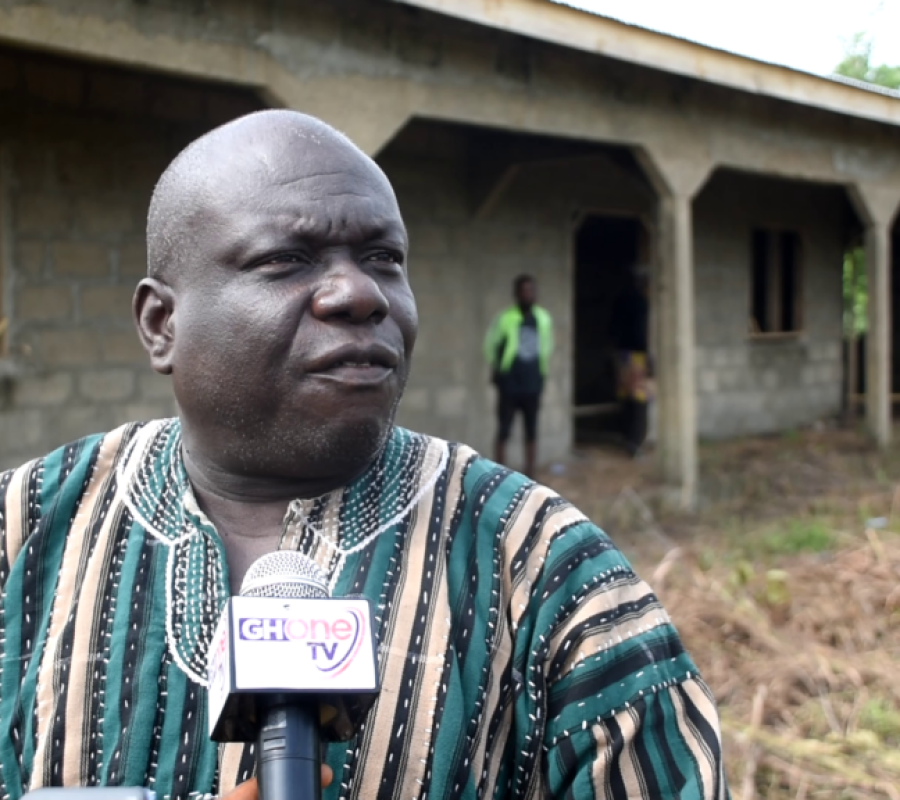
“What does the nation stand to gain if you give a contract to a Ghanaian contractor who pays lower wages, resulting in lower pay-as-you-earn taxes, reduced pension contributions and generally lower benefits? Everything goes down,” said Jerry Kwabena Andoh, the union’s Deputy General Secretary.
The union’s concerns cut to the heart of a long-standing tension in Ghana’s mining sector between the legitimate ambition to increase local participation in the extractive value chain and the practical realities of labour-market dynamics. Workers in the industry, Andoh argued, tend to prefer employment with foreign-owned companies because they trust that salaries, pensions and other entitlements will be honoured — a level of confidence that “does not always exist with some local contractors.”
Perhaps the union’s most pointed warning relates to the risk of fronting — a practice in which companies appear Ghanaian on paper but are effectively controlled by foreign interests. “If we are not careful, we will end up with people merely fronting for foreign-owned companies,” Andoh said. “They will appear Ghanaian on paper, but in reality, they will be mining on behalf of foreign interests. In the end, Ghana will not get what it is actually looking for.”
The GMWU’s position is not one of outright opposition. The union has expressed alignment with the policy’s objective of deepening Ghanaian ownership and participation in the mining sector. Its demand is more measured: suspend the directive until robust mechanisms are in place to ensure that incoming Ghanaian contractors meet existing standards on wages, tax compliance, pension contributions and workplace safety.
The debate mirrors broader questions about the governance and operational conduct of mining companies in Ghana, where tensions between corporate interests, worker protections and community rights continue to shape policy outcomes.
For the government, the challenge is to honour its local-content commitments without creating a regulatory environment that inadvertently incentivises lower labour standards or opens the door to cosmetic compliance through fronting arrangements. The union’s call for a pause, while unwelcome to those eager to accelerate the policy, reflects a pragmatic reading of what happens when well-intentioned regulations outpace the institutional capacity to enforce them.
Image Source: GHANA BUSINESS NEWS