Mahama: Stories of Enslaved Women Must No Longer Be 'Footnotes' in History
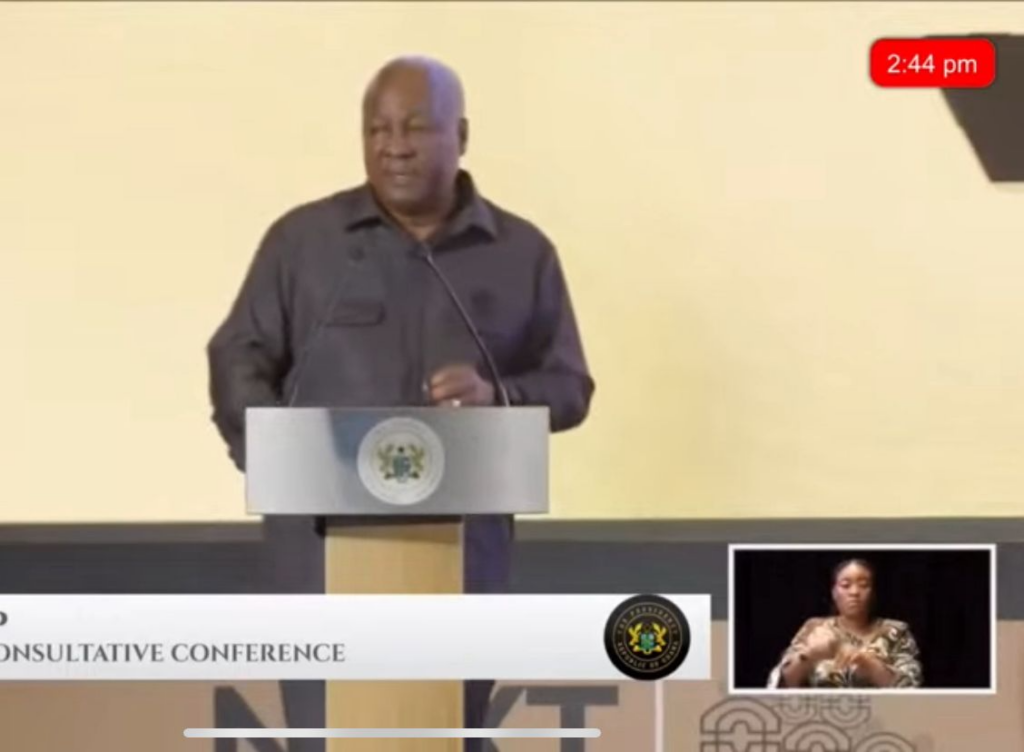
President John Dramani Mahama has called for a fundamental reorientation of how the transatlantic slave trade is documented and remembered, insisting that the experiences of enslaved women and girls must be placed at the centre of global reparatory justice discourse rather than left as marginal footnotes.
Speaking at the Next Steps Conference on Reparatory Justice in Accra, the President argued that while history records the names of ships, merchants, and trading companies, it has systematically erased the suffering of women whose bodies became instruments of exploitation.
“History remembers the names of the ships, the merchants and the trading companies,” Mahama said. “Yet far too often it forgets the woman whose body became a site of exploitation or the mother standing on the shore uncertain whether she would ever see her child again.”
The President drew attention to forms of brutality specific to enslaved women that have long been marginalised in mainstream historical narratives. He explained that for many enslaved women, exploitation extended beyond forced labour — their reproductive capacity was itself transformed into a means of perpetuating bondage across generations.
“Their capacity to bear children was transformed into a means of reproducing bondage across generations,” he said. “Their suffering was often concealed from the official record, leaving them victims not only of their institution but also of historical erasure.”
Mahama paid tribute to women who resisted oppression across centuries, citing Nanny of the Maroons in Jamaica — whose story is believed to have begun on the shores of present-day Ghana — alongside Harriet Tubman and Sojourner Truth. He also acknowledged contemporary women scholars, activists, jurists, and policymakers who continue to advance the reparations agenda.
The President was emphatic that any framework for truth-telling, memorialisation, or reparatory justice must be gender-responsive. “Any process of truth-telling, memorialisation or reparatory justice that fails to recognise the specific experiences of women would remain fundamentally incomplete,” he said, calling for the global conversation on slavery to move from acknowledgement to inclusive historical justice.
Mahama’s remarks come as Ghana hosts a series of high-level events on reparatory justice that have drawn heads of state, foreign ministers, and scholars from across the world. The conference follows the adoption of UN Resolution A/RES/80/250, which has intensified international discussions on historical accountability and redress mechanisms.
The Accra gathering has also attracted visiting heads of state, including Namibian President Netumbo Nandi-Ndaitwah, who arrived in the capital to participate in the consultative process.
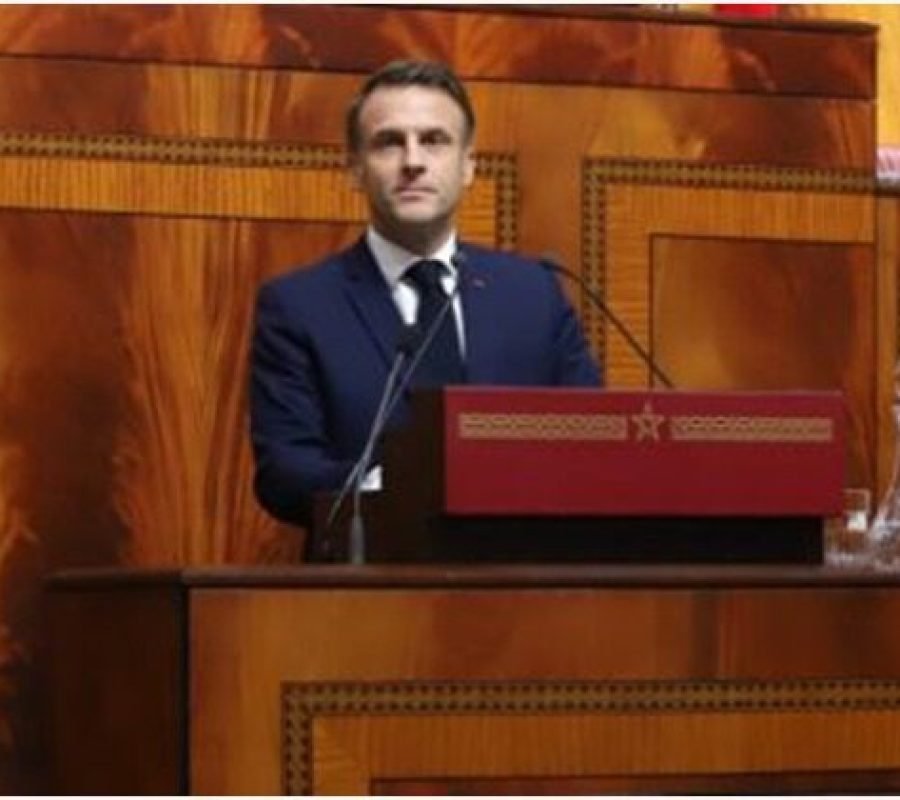
Earlier this year, France announced its own commitment to memorialising the victims of the slave trade, with President Macron pledging to build a national memorial at the Trocadero in Paris — a gesture that signals the growing willingness of former colonial powers to confront their historical roles.
Image Source: MYJOYONLINE