France to Build Memorial at Trocadero Honouring Victims of the Trans-Atlantic Slave Trade
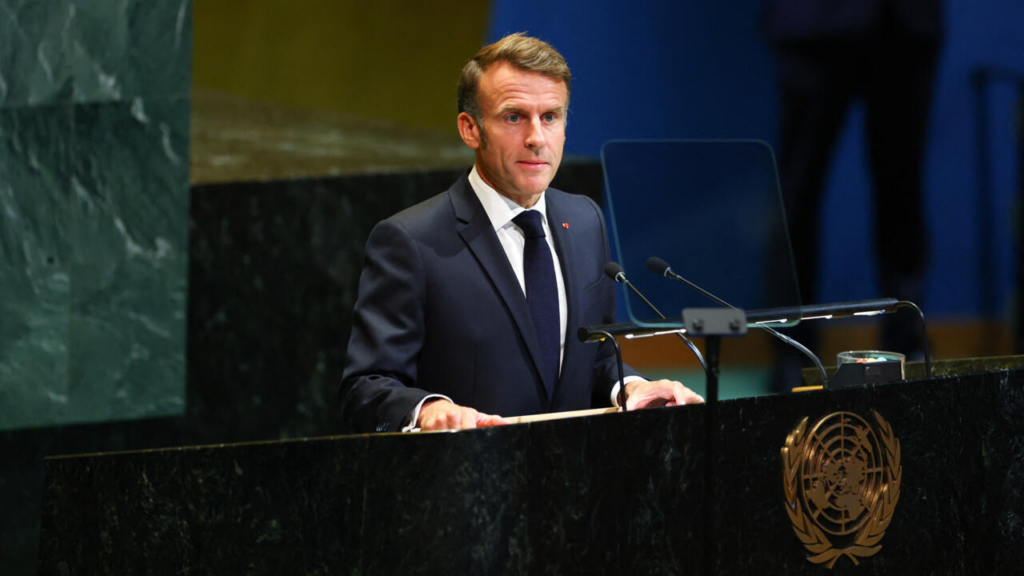
President Emmanuel Macron has announced that France will inaugurate a national memorial dedicated to the victims of the trans-Atlantic slave trade, with the site to be located at the Trocadero in Paris — the same esplanade where the Universal Declaration of Human Rights was adopted in 1948.
The memorial, expected to be completed by 2027, will serve as a space for remembrance, education and reflection on the history and enduring legacy of slavery. It marks a significant symbolic gesture from a country that in 2001 became the first nation in the world to officially recognise the slave trade and slavery as crimes against humanity through landmark legislation.
“France intends to fully participate in this work,” Macron said, noting that the country had recently commemorated the 25th anniversary of that pioneering law. He added that the memorial would honour not only Africans, but also Amerindian, Malagasy and Indian peoples who were subjected to enslavement from the 15th century onward.
The announcement was made against the backdrop of the Next Steps Conference on Reparatory Justice, a high-level gathering currently underway in Accra, Ghana, under the auspices of President John Dramani Mahama. The conference has drawn world leaders, policymakers, academics and civil-society representatives to chart pathways toward reparatory justice and historical accountability for the trans-Atlantic slave trade.
The timing of Macron’s declaration is notable. Just three months ago, the United Nations adopted Resolution A/RES/80/250, which has intensified global discourse on the lasting impacts of the slave trade. France’s decision to anchor its memorial at the Trocadero — a site synonymous with the post-World War II human rights order — sends a deliberate message about the inseparability of slavery’s history from the broader struggle for universal rights.
Ghana, a country whose coastal fortresses served as key departure points for millions of enslaved Africans, has positioned itself as a leading voice on reparatory justice. The Accra conference follows a series of initiatives by the Ghanaian government aimed at connecting the historical trauma of the slave trade to contemporary demands for restitution and structural reform.
The arrival of Namibian President Netumbo Nandi-Ndaitwah in Accra earlier this week for a related United Nations consultative conference on enslaved Africans underscores the growing continental momentum behind these efforts.
For France, the memorial represents more than a gesture of remembrance. It carries practical implications: the government has committed resources for the design, construction and programming of the site, and international educators, historians and non-governmental organisations are expected to develop associated public education initiatives.
Critics and advocates alike will be watching closely to see whether the memorial translates into substantive policy commitments on reparatory justice — or whether it remains, for now, a powerful but largely symbolic addition to the landscape of European memory.
Image Source: MYJOYONLINE