Macron Calls on UN, AU, UNESCO to Back Global Reparatory Justice Push in Accra
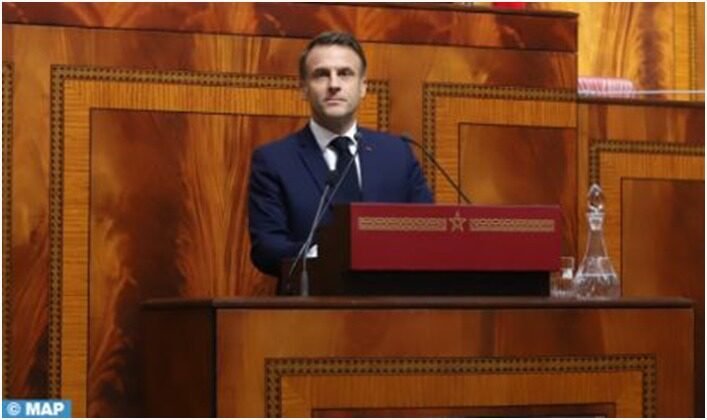
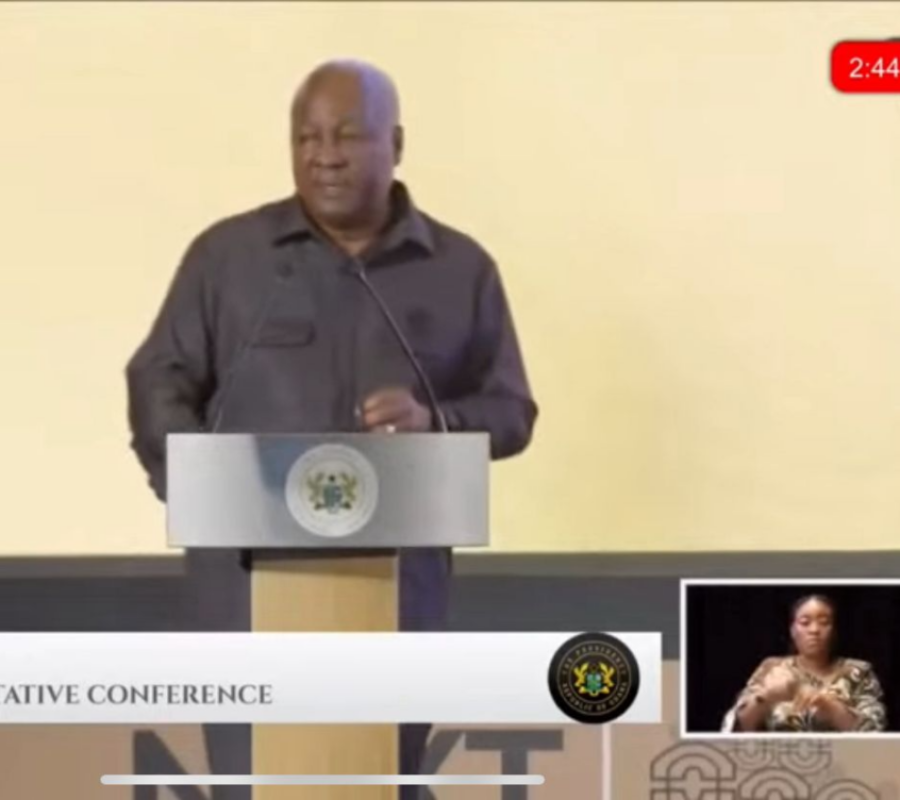
French President Emmanuel Macron has urged the United Nations, the African Union, and UNESCO to align their institutional mandates with the growing global movement for reparatory justice, using a virtual address to the Next Steps Conference in Accra to call for a coordinated international approach to confronting the legacy of the transatlantic slave trade.
“States, regional and international organisations, the United Nations, UNESCO, the African Union, the Caribbean Community — to build a shared approach founded on knowledge, dialogue and justice,” Macron told delegates, framing reparatory justice as a necessary step in addressing historical accountability rather than a purely symbolic gesture.
The French president announced that France, together with Ghana and other willing nations and institutions, plans to launch an international scientific initiative tasked with formulating concrete recommendations to support the broader movement of recognition. The initiative would bring together researchers and policymakers to produce data-driven proposals that could shape future diplomatic and legislative action.
“Along with Ghana and other countries or institutions that wish to participate, France would like to launch an international scientific initiative to formulate concrete recommendations and to support this movement of recognition,” Macron said.
The call comes in the wake of UN Resolution A/RES/80/250, which has significantly intensified international discussions around historical accountability and redress mechanisms related to the slave trade. The Accra conference, convened under the auspices of President John Dramani Mahama, has emerged as the principal venue for shaping the next phase of these discussions.
Macron commended Ghana for its leadership in hosting and driving the international conversation on reparatory justice, noting that the country provides a multistakeholder platform bringing together governments, scholars, and civil-society actors from across the world.
The French president also highlighted a series of domestic initiatives aimed at preserving the memory of slavery and colonial history, including plans for a national memorial at the Trocadero in Paris dedicated to the victims of the transatlantic slave trade. These measures, he suggested, reflect France’s willingness to confront its historical role through concrete action rather than rhetoric alone.
The Accra gathering has drawn high-level participation from across the African continent and the diaspora. Namibian President Netumbo Nandi-Ndaitwah arrived in the capital earlier this week to take part in the consultative process, signalling broad continental solidarity on the reparations question.
The implications of Macron’s call are potentially far-reaching. If international institutions incorporate reparatory justice into their formal mandates, it could unlock new programmes, dedicated funding streams, and policy reforms that move the discourse from acknowledgement to operational redress. The planned scientific initiative is expected to generate recommendations that will influence future diplomatic negotiations, while strengthened South-South and North-South cooperation could reshape how former colonial powers engage with African nations on questions of historical debt.
Image Source: MYJOYONLINE