Ghana has launched a groundbreaking initiative to integrate the value of its natural resources into national policymaking by 2034.
The National Plan for Natural Capital Accounting aims to weave environmental considerations into economic planning, ensuring the country’s development aligns with the health of its ecosystems.
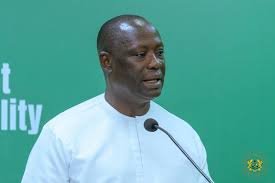
Lands and Natural Resources Minister, Emmanuel Armah-Kofi Buah, who is also the Acting Minister of Environment, Science and Technology, unveiled the plan at the Seventh Session of the United Nations Environment Assembly (UNEA-7) in Nairobi, Kenya, on Wednesday, December 10.
According to the Minister, environmental degradation is costing Ghana approximately 2.8 percent of its Gross Domestic Product (GDP) annually, a significant loss considering over half of the population relies directly on natural resources for their livelihoods.
The plan will prioritize strengthening the resilience of Ghana’s 550-kilometer coastline through the West Africa Coastal Areas Resilience Investment Project (WACA-RESIP-2). This includes mangrove restoration, lagoon rehabilitation, and the construction of protective infrastructure to safeguard biodiversity and create green employment opportunities.
A key component of the initiative is a just energy transition, with investments directed towards renewable energy sources and decentralized mini-grids. This will provide electricity to rural communities while simultaneously reducing carbon emissions and fostering sustainable development.
“Our progress as a nation is intrinsically linked to nature,” Minister Buah stated. “This plan guarantees that every policy decision accounts for the true worth of our natural capital.”
The adoption of the National Plan for Natural Capital Accounting positions Ghana as a leader in sustainable development within the region, reinforcing the crucial link between environmental protection, economic progress, and social well-being.
The Minister emphasised that the initiative offers a realistic, nature-driven pathway for national development, ensuring that Ghana’s natural resources are properly valued and preserved for both present and future generations.
Image Source: MYJOYONLINE