Madonna's Candid Reflections Reveal the Complexities of Fame and Creative Relationships
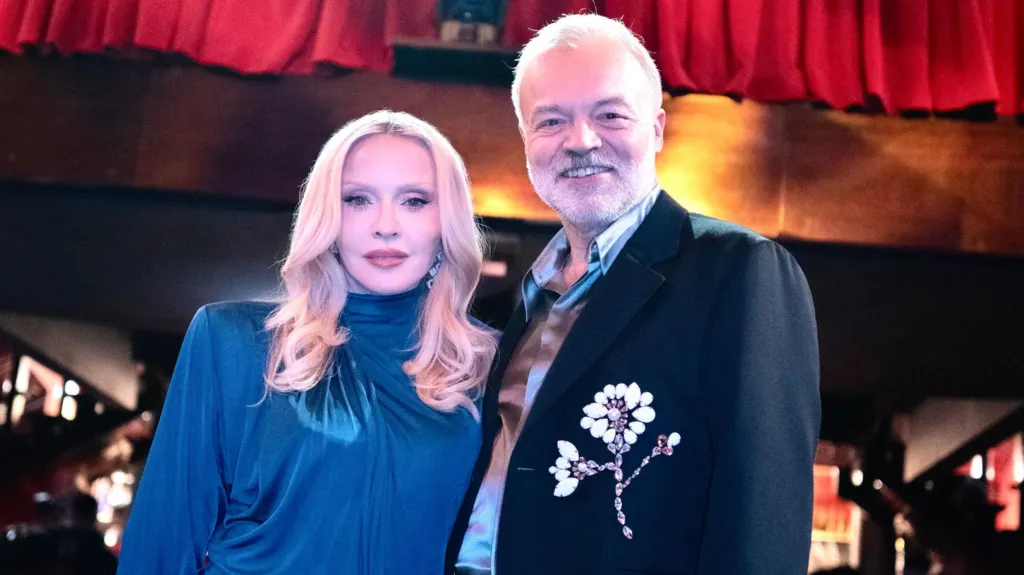
In a rare moment of vulnerability during her recent interview with Graham Norton, Madonna offered insights that transcend typical celebrity gossip, touching on universal themes of insecurity, artistic creation, and the enduring complexities of family relationships that resonate far beyond the pop music sphere.
The Material Girl’s confession of jealousy toward Kylie Minogue—not for her success, but due to a perceived romantic interest—exposes a fundamental truth about creative industries: even icons struggle with comparison. Her admission that “nobody ever wants to dance with me” because she “gets carried away by the music” reframes her legendary stage presence not as effortless confidence, but as a compensatory mechanism for deep-seated social anxiety.
This introspection extends profoundly to her artistic process. Madonna revealed that one of the most compelling tracks on her forthcoming album “Confessions II” emerged not from meticulous crafting over months, but from a spontaneous “flash of light” where lyrics, melody, and vocal performance arrived as “one stream of consciousness.” She described the experience as feeling “possessed,” with the complete artistic package arriving in a moment of unfiltered inspiration. This aligns with research showing that breakthrough creativity often occurs when conscious effort subsides—a phenomenon psychologists call “incubation,” where the subconscious makes connections the conscious mind misses during focused work.
Perhaps most poignantly, Madonna addressed the “nepo baby” phenomenon through her daughter Lola Leon’s initial reluctance to collaborate on the album. Lola’s concern about being perceived as exploiting privilege reflects a growing cultural conversation about inherited opportunity in creative fields, particularly relevant as discussions about equity and access intensify across entertainment industries. Madonna’s respect for her daughter’s boundaries—waiting for Lola to initiate the collaboration rather than leveraging her maternal influence—models a healthier approach to nepotism discussions than the defensiveness often seen in such situations. This dynamic mirrors broader industry conversations happening at events like music industry summits where stakeholders explore how to create more equitable pathways for emerging talent while acknowledging the complex realities of legacy and access, similar to discussions at forums like the [TGMA Music Summit](/over-200-music-industry-stakeholders-attend-27th-tgma-music-summit-to-explore-brand-partnerships-and-music-contracts) where over 200 music industry stakeholders gathered to explore brand partnerships and music contracts.
The interview also illuminated Madonna’s reconciliation with her brother Christopher before his 2024 death from cancer. Their relationship had been strained for years following professional disagreements and his tell-all book, yet they found peace in his final days. Her description of writing the song “Fragile” as an “exorcism” to process grief and forgiveness offers a masterclass in transforming personal pain into universal art—a process that has defined her four-decade career. She explained how Christopher’s outreach during his illness allowed them to address years of estrangement, with the song serving as both a tribute and a release: “We’ll find each other on the other side.”
These revelations collectively paint a portrait of an artist who, despite monumental success, continues to grapple with the same human insecurities that affect us all. Madonna’s willingness to examine these feelings publicly doesn’t diminish her legend—it makes it more relatable, and ultimately, more enduring. Her journey reminds us that behind every iconic persona lies a human being navigating the same universal struggles of identity, creativity, and connection that we all face.
Image Source: MYJOYONLINE