Fatoumata Diawara Named Spotify’s EQUAL Africa Artiste for June
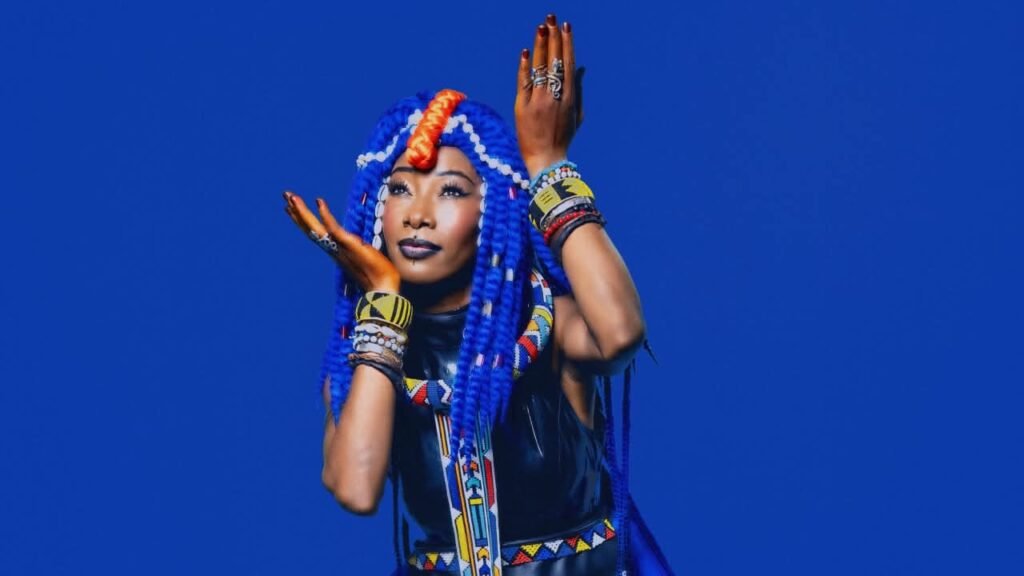
Grammy-nominated Malian singer, songwriter, guitarist and actress Fatoumata Diawara has been named Spotify’s EQUAL Africa artist for June, a recognition that cements her place as one of the most influential voices in contemporary African music.
A premier figure on the global stage, Diawara has spent years redefining what African music sounds like to international audiences. She carries Mali’s Wassoulou traditions into a modern sonic landscape rooted in wisdom, resilience and social commentary, building a bridge between heritage and innovation that few artists of her generation have managed.
Her journey has been anything but conventional. From early work in Mali’s film industry and time as a backing vocalist for her mentor, the legendary Oumou Sangare, Diawara has evolved into a singular force. Her collaborations read like a who’s who of adventurous music-making: Damon Albarn, Gorillaz, Disclosure, and the Lamomali collective, which drew 450,000 spectators in France last year alone.
In 2026, she returns with MASSA, her most personal work to date. Set for release on June 5, the introspective solo album is co-produced by French pop icon Matthieu Chedid and balances her life as an international touring artist with her role as a mother. Through songs of wisdom and resilience, she addresses modern societal challenges while inviting listeners to find beauty and gratitude in their own destinies.
By blending deep Mandinka roots with vibrant pop textures, Fatoumata delivers a forward-looking sound that continues to expand the possibilities of African music. She is also making history in 2026 as the first Black woman to launch a signature guitar with Gibson Epiphone, further cementing her status as a trailblazer for a new generation of musicians.
Spotify’s EQUAL Africa programme spotlights women who are redefining the continent’s music narrative, and Fatoumata’s selection underscores her enduring influence. Through her releases, performances and barrier-breaking achievements, she embodies how contemporary African artists are reshaping sound and culture on their own terms.
The programme has previously featured other prominent African women artists, reflecting a growing industry commitment to amplifying female voices across the continent’s rapidly expanding music ecosystem. Ghana’s own creative industries have similarly benefited from this wave of investment, as highlighted when the Vice President called for greater collaboration to unlock the economic potential of Ghana’s culture and creative sector.
“Fatoumata’s music reflects the creativity and drive that have helped shape Africa’s current music scene,” says Phiona Okumu, Spotify’s Head of Music for Sub-Saharan Africa. “As part of Spotify’s EQUAL programme, she represents how African women are advancing visibility, driving opportunities, and building global connections through their art.”
In a recent interview, Diawara opened up about her creative philosophy. “My music is a melting pot of influences,” she explained. “At its heart, it is rooted in Mali, but it also embraces blues, folk, rock, jazz, and modern sounds from around the world. I like to build bridges between tradition and modernity.”
Her advice to aspiring artists carries the same conviction that has driven her own career: “Never doubt yourself. There is a hidden power inside each of us, a strength that often comes from our ancestors, our history, and our life experiences. Believe in yourself even when nobody else does.”
For Diawara, the EQUAL recognition is not just personal validation but a statement about the broader trajectory of African women in music. “The day I picked up a guitar, I already felt equal,” she said. “The guitar became my weapon, my freedom, and my voice. Equality is not about asking for permission to be heard; it is about recognising your own power and using it fearlessly.”
Image Source: MYJOYONLINE